Are food prices going up in the UK? Here’s what’s really happening in 2025
UK Food Cost Calculator
Based on October 2025 Office for National Statistics data: food inflation at 4.9% and 28% increase since April 2022. Calculate your current costs and potential savings with practical strategies.
October 2025 food inflation: 4.9%
Since April 2022: 28% increase
Estimated Costs
Based on article data: store brands save ~20%, bulk buying saves 10-15% on selected items. Actual savings may vary based on shopping habits.
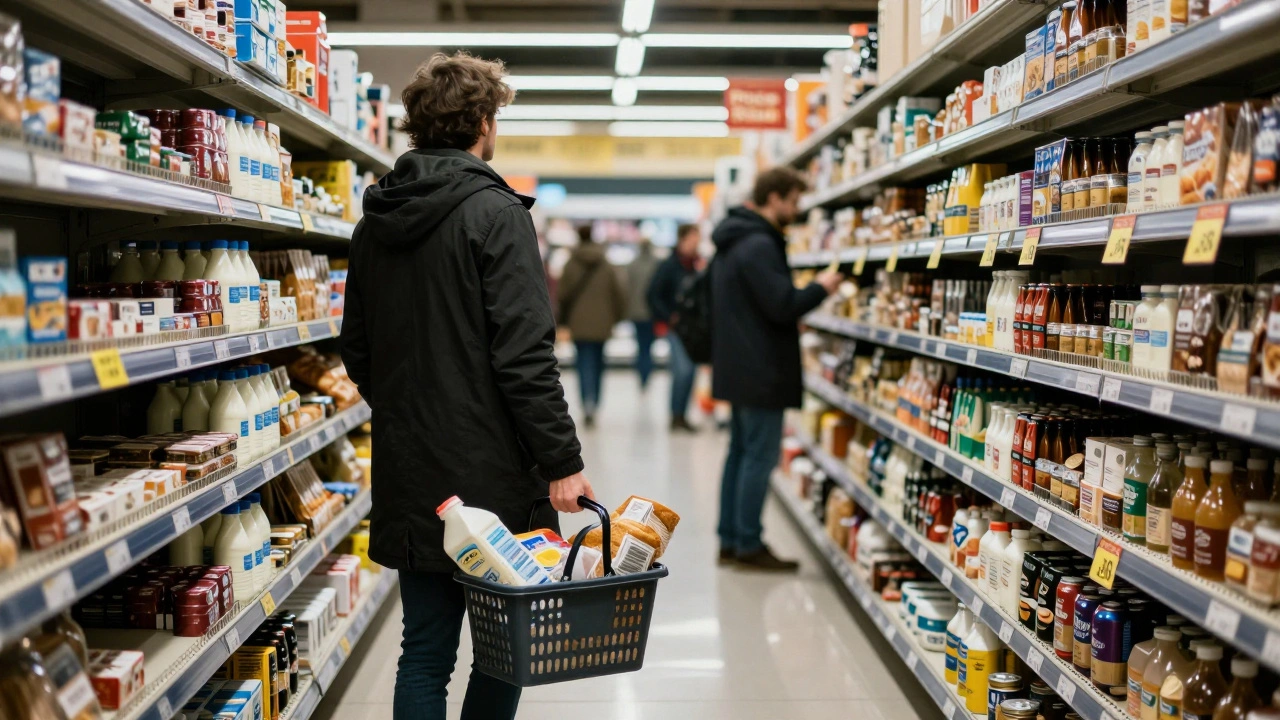
Food prices in the UK aren’t just rising-they’re hitting harder than ever, even as overall inflation slows. If you’ve noticed your weekly shop costing more, you’re not imagining it. In October 2025, food and non-alcoholic drinks inflation hit 4.9%, up from 4.5% the month before, according to the Office for National Statistics. That might sound small, but when you’re buying bread, milk, and eggs every week, those percentages add up fast.
What’s actually costing more right now?
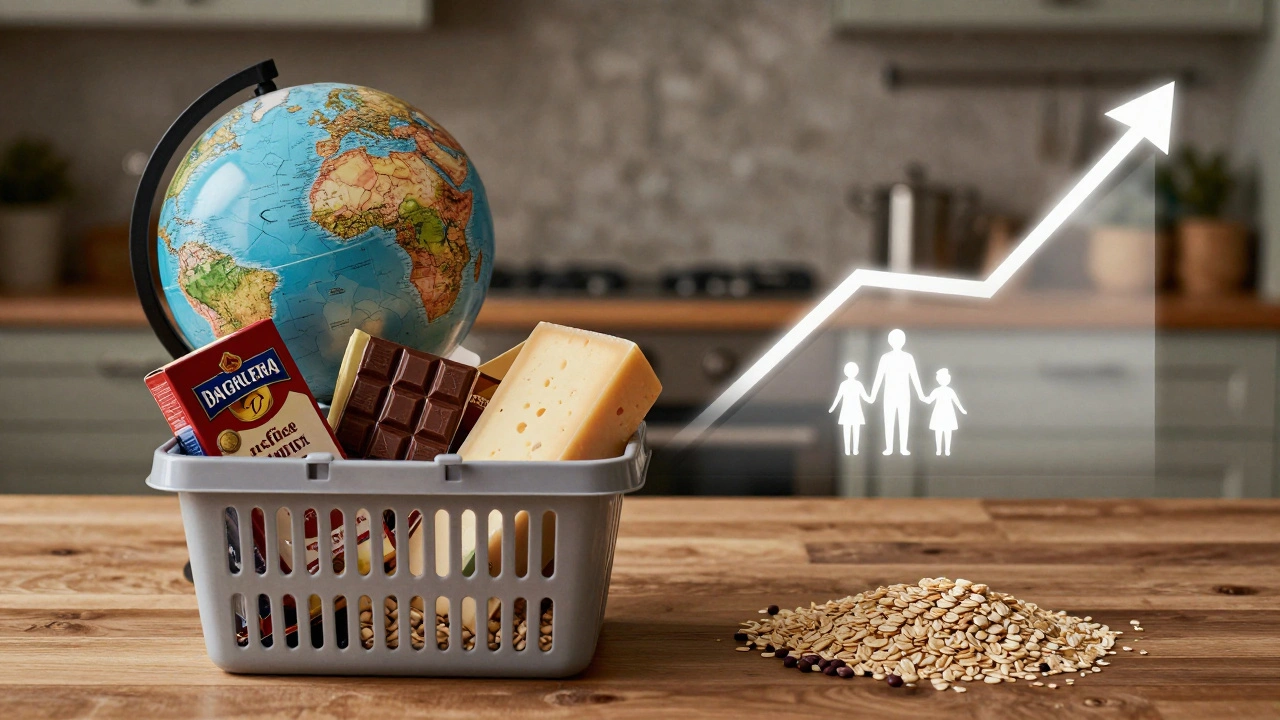
Not all food is rising at the same rate. Some items are bleeding households dry. Butter, beef, milk, coffee, and chocolate have jumped an average of 15.6% over the past year, according to the Energy and Climate Intelligence Unit. Milk alone? Up nearly 18%. Cheese? Up 16%. Even basic bread and cereals, which most families rely on daily, saw their prices climb 0.5% in October 2025-double the pace of the same month last year.
The Food Foundation’s Basic Basket, which tracks 51 essential items bought weekly by UK households, shows the real pain. A woman’s weekly food basket now costs £52.13. A man’s? £55.98. Since April 2022, those numbers have gone up by nearly 28%. That’s an extra £10 to £12 every week just to keep the fridge stocked. For a family of four, that’s over £500 more a year. No wonder so many people are switching to cheaper brands, skipping meals, or cutting back on protein.
Why is this happening? It’s not just one thing
There’s no single villain behind rising food prices. It’s a mix of policies, climate shocks, and global supply chains all hitting at once.
Food manufacturers say they’re paying 40% more for ingredients and energy than they did in January 2020. That’s according to Karen Betts, CEO of the Food and Drink Federation. She points to Brexit, new packaging taxes, and rising employer National Insurance as major cost drivers. The government’s 2024 National Living Wage increase also pushed up labor costs across the food supply chain-from farms to factories to delivery vans.
But it’s not just taxes and wages. Climate change is quietly reshaping what we eat and how much it costs. The ECIU estimates that extreme weather events in 2022-23 added £360 to the average UK household’s food bill. Why? Because over half of the UK’s fruit and legume imports come from countries now facing droughts, floods, or heatwaves. A bad harvest in Spain or Morocco doesn’t just mean fewer olives-it means higher prices on your shelf.
And then there’s the UK’s low food self-sufficiency. We produce only about 60% of what we eat. The rest comes from abroad. That makes us vulnerable. A storm in the Mediterranean, a rail strike in France, or a trade dispute with Canada can ripple through your local supermarket in weeks.
How does the UK compare to the rest of Europe?
Not well. Since 2023, the UK has had the highest food inflation in Western Europe. While countries like Germany, France, and the Netherlands saw food prices stabilize or even drop slightly in 2024 and early 2025, the UK kept climbing. The Food and Drink Federation says this gap has lasted over two years-and it’s not closing.
Why? Partly because UK food businesses face more regulatory costs than their European peers. Packaging taxes, extended producer responsibility rules, and stricter labor laws add layers of expense that other countries don’t have. Meanwhile, energy prices in the UK remain higher than in many EU nations, even after recent drops.
What’s next? Forecasts are mixed
Experts don’t agree on what’s coming next. The British Retail Consortium predicts food prices will rise by 4.2% in the second half of 2025. The Food and Drink Federation says it could hit 5.7% by December 2025 before easing to 3.1% by the end of 2026. Dr. Clive Black, an economist, warns that the full impact of the 2024 wage hikes won’t be felt until summer 2026.
But there’s a silver lining. Retailers are starting to fight back. Supermarkets are running price wars on staples like pasta, rice, and eggs. Some are absorbing costs instead of passing them on. Efficiency gains in logistics and reduced food waste are helping too. The problem? Those savings are thin. And if another climate shock hits-or if the government adds new taxes in the next budget-those gains could vanish overnight.
What can you do?
There’s no magic fix, but small changes add up:
- Buy in bulk where it makes sense-rice, pasta, oats, and canned beans are cheaper per unit.
- Choose store brands over name brands. They’re often the same product, just without the marketing cost.
- Plan meals around what’s on sale. A £2 bag of carrots can stretch into three meals if you roast, soup, and stir-fry them.
- Freeze what you won’t use right away. Bread, meat, and even cooked meals last months in the freezer.
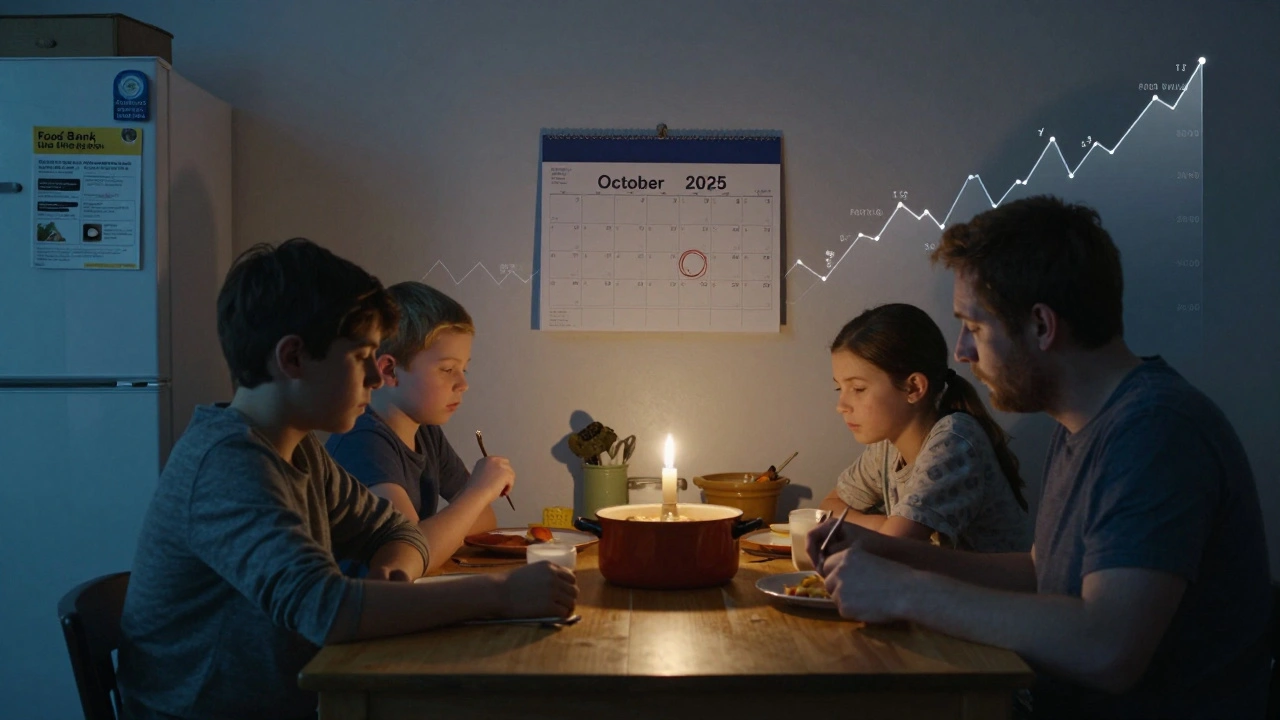
- Check for food banks or community pantries. In 2025, over 2,000 food aid sites across the UK reported record demand.
It’s not about perfection. It’s about making every pound count. And if you’re still struggling, you’re not alone. Nearly one in five UK households now say they’re skipping meals to afford other bills.
Will this ever get better?
It’s unlikely to go back to 2019 levels. The era of cheap, abundant food is over. Climate change, global supply fragility, and policy changes have reset the baseline. The UK’s food system is now more expensive to run-and those costs aren’t going away.
What might change is how we respond. Retailers could invest more in local sourcing. The government could delay or soften new taxes on food businesses. Consumers could shift toward less resource-intensive foods-like beans instead of beef, or seasonal veggies instead of imported berries.
For now, the message is simple: food is more expensive, and it’s staying that way. The only way out is through smarter choices, stronger support systems, and real pressure on policymakers to protect households-not just profits.
Are food prices still rising in the UK in 2025?
Yes. Food inflation reached 4.9% in October 2025, up from 4.5% in September. While overall inflation has slowed, food prices continue to rise faster than most other goods. Items like milk, butter, beef, and coffee have jumped over 15% in the past year.
Why are food prices higher in the UK than in other European countries?
The UK faces more regulatory costs than most European nations, including new packaging taxes, higher employer National Insurance, and stricter labor rules. Combined with lower food self-sufficiency and greater exposure to global supply chain shocks, these factors have kept UK food inflation higher for over two years.
How much more are households paying for food now compared to 2022?
Since April 2022, the average UK household is paying 27-28% more for weekly groceries. A woman’s basic food basket now costs £52.13, up from £40.94. A man’s basket is £55.98-up from £43.55. That’s an extra £10-£12 per week, or over £500 a year.
Will food prices go down in 2026?
Some experts predict a slowdown, with food inflation falling to around 3.1% by the end of 2026. But that doesn’t mean prices drop-they just rise slower. The cost of food is now permanently higher than pre-2022 levels. Climate risks, energy costs, and policy changes mean we’re unlikely to see a return to past affordability.
What role does climate change play in UK food prices?
Climate change is a major, growing factor. Extreme weather has already added £360 to the average UK household’s food bill since 2022. By 2050, over half of the UK’s fruit and legume imports will come from countries vulnerable to climate disruption. That means more price spikes from droughts, floods, and heatwaves abroad.

About Author
