How Bad Is the Cost of Living in the UK in 2025?
Cost of Living Affordability Calculator
The average UK household spends £567.70 weekly on essentials. Calculate if your income covers your essential expenses compared to national averages.
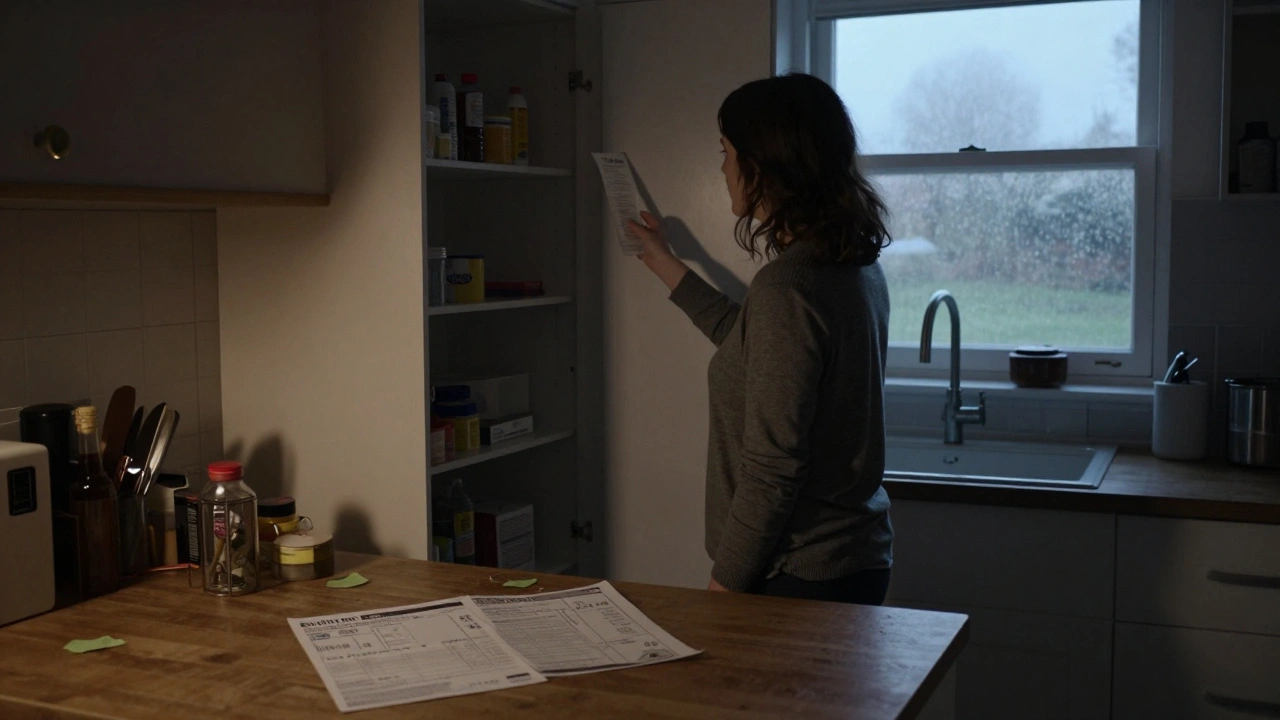
By 2025, the cost of living in the UK still feels crushing for millions, even though inflation has slowed from its 2022 peak. You might hear on the news that prices are stabilizing, but for many households, the damage from years of sharp increases hasn’t reversed-it’s just settled in. The average UK household now spends £567.70 a week just on essentials: rent, food, bills, and transport. That’s not luxury spending. That’s survival.
Housing Is the Biggest Drain
Housing eats up the largest chunk of most budgets. In London, renting a one-bedroom apartment in Camden costs nearly £2,836 a month. That’s more than most people earn in a full-time job. Even outside the capital, rents have climbed sharply. In Hull, the second most affordable city, rent is still £642 a month-up 22% since 2021. Homeownership is out of reach for many. First-time buyers now need to save for 6.2 years just to afford a deposit, up from 4.8 years in 2021. For low-income families, social housing waits are growing longer, and when rents do rise, they’re tied to inflation plus 1%. That means a 4.7% increase in 2026 is locked in, even if overall inflation drops.Food and Essentials Won’t Let Up
Food inflation is stuck at 4.8% as of September 2025. A basic grocery basket that cost £60 two years ago now runs £85. Supermarkets like Tesco have seen their ratings plummet, with customers complaining about shrinking portions and higher prices for staples like bread, milk, and eggs. Meanwhile, discount chains like Aldi and Lidl are booming, with sales up over 10% in 2025. People aren’t choosing them because they like the packaging-they’re choosing them because they can’t afford anything else. The same goes for utilities. Electricity and gas bills are still 40% higher than in 2021, even after the government’s energy price cap offered some relief. The cap rose by over £100 per year in 2025, meaning families are still paying hundreds more than they did just a few years ago.Wages Aren’t Keeping Up
Average pay rose by about 5.9% in the private sector and 6.5% in the public sector in 2025. Sounds good, right? But when you factor in the 20.8% cumulative increase in living costs since May 2021, that pay rise is barely a Band-Aid. Real household income per person is projected to hit only £21,000 in 2025-still below where it was on a growth path before the pandemic. The poorest 10% of working-age households could actually lose 2% of their disposable income in 2025, because benefit increases are tied to outdated inflation measures. Universal Credit payments are rising by just 6% in April 2026, while rent and energy costs are climbing faster. People are working more hours, taking on side gigs, or skipping meals just to make ends meet.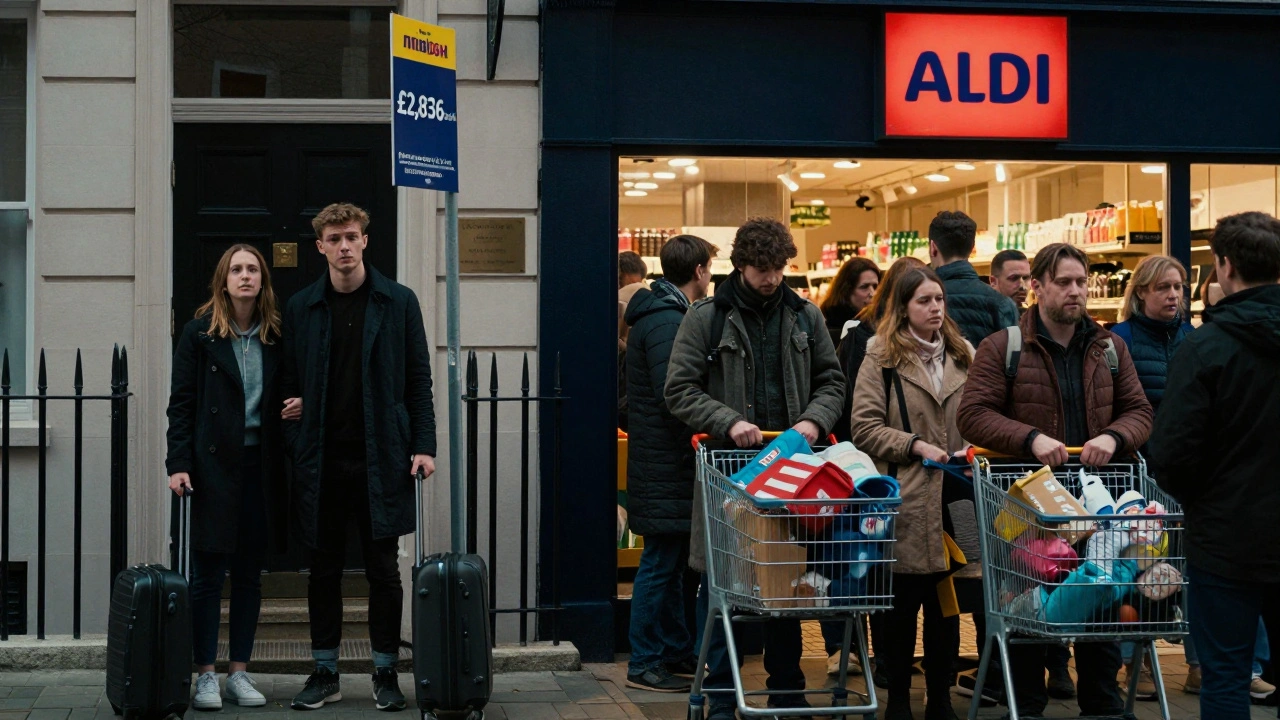
Regional Gaps Are Getting Worse
Where you live in the UK makes a huge difference. In Camden, the average weekly income is £850. In Hull, it’s £575.50. But the cost of living gap isn’t that wide. Rent in Camden is over four times higher than in Hull, but the average salary is only about 50% higher. That’s why food banks are more crowded in low-income areas like Liverpool and Manchester, even though inflation is national. The UK’s poverty rate-measured after housing costs-is 21%. For families of Pakistani and Bangladeshi heritage, it’s even higher. Meanwhile, the richest areas are seeing property values climb again, widening the divide. This isn’t just about money-it’s about opportunity, health, and dignity.Debt and Mental Strain Are Rising
The Citizens Advice Bureau handled 2.1 million debt-related cases in the first half of 2025-a 17% jump from 2024. Sixty-eight percent of those cases blamed rising living costs. StepChange, a debt charity, saw a 28% increase in clients seeking help. People are using credit cards for groceries, skipping doctor visits, or taking out payday loans. The mental toll is real. Reddit threads like r/UKPersonalFinance are full of posts from people describing anxiety over bills, shame over needing food banks, and exhaustion from juggling multiple jobs. One user wrote: “My rent went up 8%, council tax up 5.4%, and my energy bill is still 40% higher than 2021. The official inflation rate doesn’t reflect what I’m experiencing.” That’s not an outlier. It’s the norm.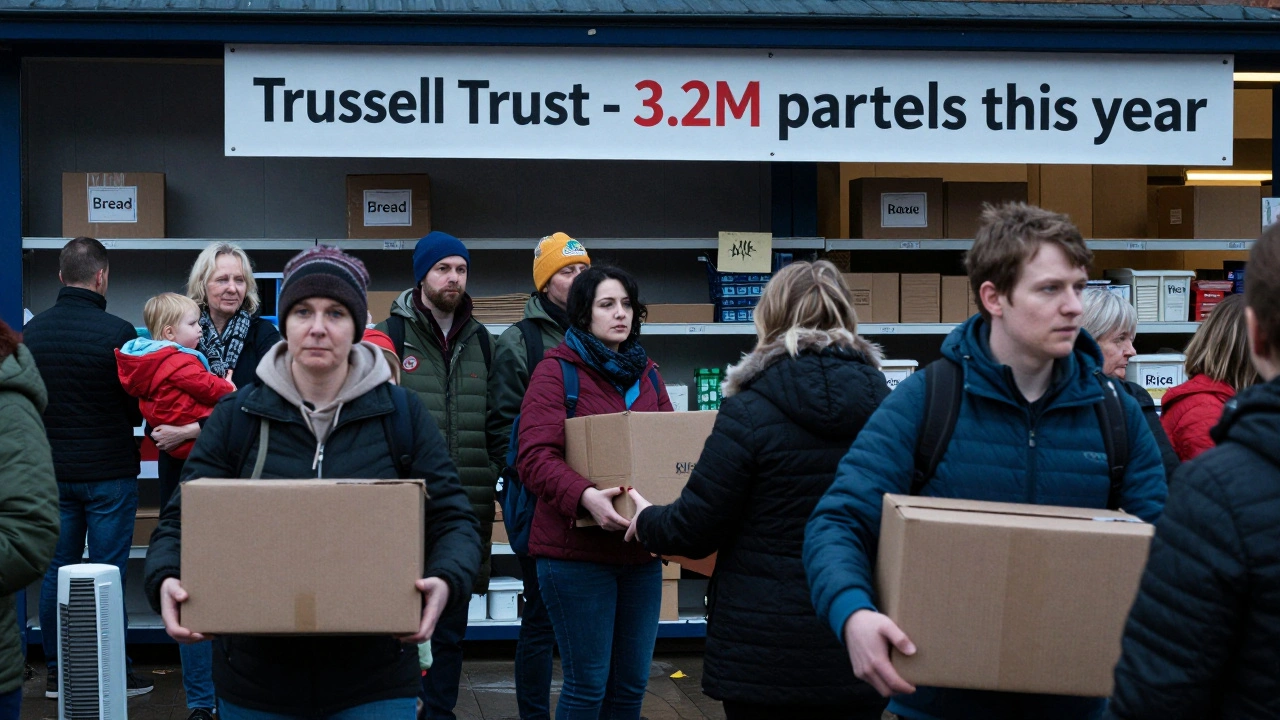
What’s Next? No Quick Fixes
Inflation is expected to drop to around 2.5% by 2026, but that doesn’t mean relief is coming. The damage is cumulative. The Office for Budget Responsibility says real household income won’t return to pre-pandemic growth trends until 2027-28. That’s over five years of stagnation. The government’s cost-of-living support is patchy and temporary. Energy price caps are set to expire. Benefit increases are based on outdated data. The Trussell Trust distributed 3.2 million food bank parcels in the year to September 2025-22% more than the year before. That’s not a safety net. That’s a system under strain.For many, the cost of living isn’t just high-it’s unsustainable. There’s no single villain: Brexit, the pandemic, war in Ukraine, and slow wage growth all played a part. But the result is the same: families are choosing between heating their homes and feeding their children. That’s not just an economic problem. It’s a moral one.
Is the cost of living in the UK worse than in other European countries?
Yes, in terms of how much it hurts households, the UK is worse than most of Western Europe. While inflation is similar to the Eurozone average, the UK has seen deeper cuts to real incomes and weaker social support. The UK’s poverty rate after housing costs is 21%, compared to 16.3% in Germany. Food bank use is far higher, and wage growth hasn’t kept up with price hikes as effectively as in countries like France or the Netherlands. The UK also has higher housing costs relative to income than most of Europe.
Why do food prices keep rising even when inflation is falling?
Food prices are driven by different factors than overall inflation. Global supply chain issues, extreme weather affecting crops, higher energy costs for transport and refrigeration, and labor shortages in agriculture and logistics all keep food prices elevated. Even when energy inflation drops, these structural pressures remain. That’s why food inflation is still at 4.8% in 2025, while overall CPI is at 3.6%.
Are wages rising fast enough to match the cost of living?
No. While average pay rose by 5.9%-6.5% in 2025, living costs have risen 20.8% since 2021. That means even with a raise, most people are still worse off than they were four years ago. For low-income workers, wage increases often don’t even cover rent hikes. Benefit payments are also rising too slowly to match real-world costs, leaving many households with no buffer.
What’s the biggest factor making life unaffordable right now?
Housing. Whether you rent or own, housing costs eat up the largest share of income. Rent has surged in every region, and mortgages are unaffordable for most first-time buyers. Even with falling interest rates, house prices remain sky-high compared to wages. In London, you’d need to earn over £70,000 just to afford a median-priced home-far above the national average salary of £35,000.
Can I rely on government support to help me get through this?
Government support is limited and often delayed. Benefits like Universal Credit are adjusted based on inflation figures from months ago, so they rarely match current costs. The energy price cap helps, but it’s still higher than pre-crisis levels. Food banks and charities are filling the gaps, but they’re overwhelmed. If you’re struggling, check eligibility for local council support, heating grants, or free school meals-but don’t expect these to cover everything.
What Can You Do?
There’s no magic solution, but small steps can help. Switch to discount supermarkets. Use energy-saving tips to cut bills. Check if you qualify for council tax reduction or heating assistance. Talk to your landlord about payment plans if rent is unaffordable. Join community groups that share resources or offer free meals. Most importantly, don’t isolate yourself-many people are in the same boat. You’re not failing. The system is.


About Author
