Atomic Bomb: What It Is, How It Changed the World, and Why It Still Matters
When we talk about the atomic bomb, a weapon that releases massive energy by splitting atoms in a nuclear fission chain reaction. Also known as nuclear bomb, it was the first device capable of destroying an entire city in seconds. The first one was dropped on Hiroshima in August 1945. It didn’t just end World War II—it rewrote the rules of power, fear, and survival.
The nuclear weapons, devices that use nuclear reactions to generate explosive energy far beyond conventional bombs that followed turned the atomic bomb into part of a larger arsenal. Countries built more, bigger, and more complex versions. The nuclear warfare, the use of nuclear weapons in armed conflict never happened on a large scale—but the threat never went away. Every nuclear-armed state today holds enough firepower to end civilization. The Hiroshima, the Japanese city where the first atomic bomb was used in warfare bombing killed 140,000 people by the end of 1945. Many died instantly. Others suffered for years from burns, radiation sickness, and cancers no one understood at the time. Three days later, Nagasaki, the second city targeted by an atomic bomb in wartime was hit. The world watched in horror. And then, silence.
Why does this matter now? Because the atomic bomb isn’t just history. It’s the reason countries still build nuclear arsenals. It’s why treaties like the Non-Proliferation Treaty exist. It’s why leaders still whisper about "red lines" and "second strikes." The science behind it hasn’t changed, but the world has. New players have the technology. New tensions are rising. The same fear that stopped World War III is now being tested again.
What you’ll find below are articles that dig into the real impact of the atomic bomb—not just the explosions, but the politics, the cover-ups, the survivors, and the ongoing global risks. Some look at how it shaped Cold War strategy. Others reveal how misinformation spread after the bombings. A few even ask if we’re repeating the same mistakes today, just with different names and newer weapons. This isn’t about nostalgia. It’s about understanding what happens when humanity gains the power to end itself—and whether we’ve learned anything at all.
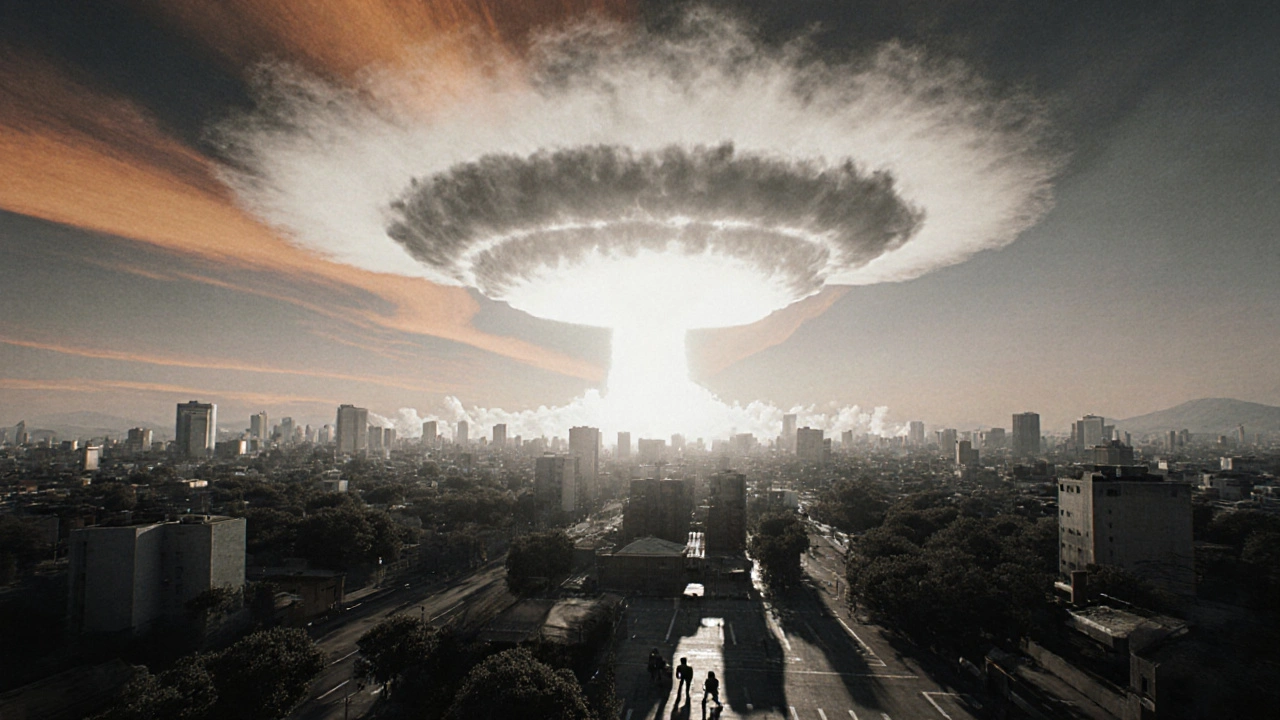
What Is the Most Famous Moment in History? The Atomic Bombing of Hiroshima
The atomic bombing of Hiroshima on August 6, 1945, is the most famous moment in history due to its global recognition, lasting impact on international law, and its role as the first use of nuclear weapons - a turning point that reshaped war, peace, and human survival.