Editorial Stance: How News Outcomes Shape What You Read
When you read a news story, you’re not just getting facts—you’re getting a editorial stance, the underlying perspective or bias that guides how a news organization reports events. This isn’t just opinion—it’s the invisible hand that decides which facts to highlight, which sources to trust, and which stories to bury. Every headline, every word choice, every photo selection flows from this stance. And it’s not random. It’s shaped by who owns the outlet, how it makes money, and what audience it’s trying to please.
Take The Guardian, a UK newspaper owned by a nonprofit trust designed to protect its journalism from commercial pressure. Its editorial stance leans progressive because its funding comes from readers, not ads or billionaires. That’s why it covers climate change and inequality with urgency. Contrast that with the Daily Mail, a tabloid known for its right-wing framing, nationalist narratives, and emotionally charged headlines. Its stance isn’t accidental—it’s built to drive clicks, not curiosity. Even CNN, a global network often accused of left-leaning framing in guest selection and language, has a stance shaped by U.S. political divides: 58% of Democrats trust it; 58% of Republicans don’t. That’s not coincidence. That’s strategy.
Editorial stance doesn’t mean a story is fake. It means it’s filtered. The same protest might be called "peaceful demonstrators" in one paper and "rioters" in another. The same economic report might be framed as "recovery" or "stagnation," depending on who’s writing it. That’s why knowing the source’s stance matters more than ever. When you read about the UK’s cost of living crisis, the Ukraine war, or the latest COVID variant, ask: Who benefits from this version of the truth? Is this report trying to inform you—or move you?
Below, you’ll find real examples from recent stories that show how editorial stance plays out in practice—from who owns The Guardian to why CNN’s reliability is questioned, and how the Daily Mail’s politics shape its coverage. These aren’t abstract ideas. They’re the hidden rules behind every headline you scroll past.
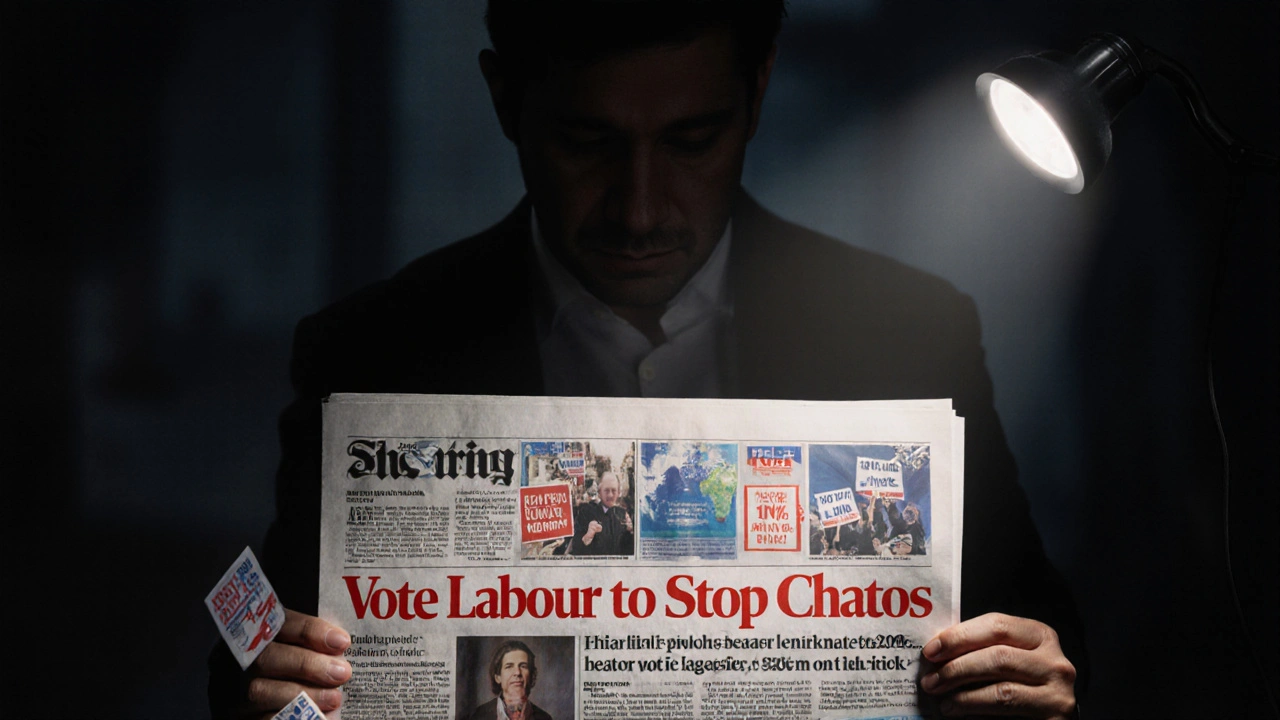
Which political party does The Guardian support? Labour, bias, and editorial alignment explained
The Guardian consistently supports the UK Labour Party through its editorials, sourcing, and framing of political stories. Its progressive bias is well-documented, trusted by left-leaning readers, and criticized by conservatives. Here’s how its alignment shapes its journalism.