Hiroshima bombing: What happened, why it matters, and how it changed the world
On August 6, 1945, the world changed forever when the Hiroshima bombing, the first use of an atomic bomb in warfare, dropped by the United States on the Japanese city of Hiroshima. Also known as the atomic bombing of Hiroshima, it killed an estimated 70,000 to 80,000 people in seconds and left tens of thousands more to die slowly from burns, radiation, and illness in the weeks and months that followed. This wasn’t just a military strike—it was a turning point in human history, the moment we crossed a line we’ve never been able to uncross.
The bomb, nicknamed "Little Boy," was dropped from a B-29 bomber called the Enola Gay. It exploded with the force of 15,000 tons of TNT, flattening nearly everything within a mile. Hospitals, schools, and factories vanished. People were vaporized. Shadows of bodies were burned into concrete. Survivors, called hibakusha, carried invisible wounds for life—cancers, birth defects, and trauma that never faded. The nuclear warfare, the use of nuclear weapons in conflict, which began with Hiroshima didn’t stop there. Three days later, Nagasaki was hit with another bomb. Japan surrendered a week after that. World War II ended. But the fear didn’t.
The atomic bomb, a weapon powered by nuclear fission, capable of destroying entire cities in an instant didn’t just end a war—it started a new kind of arms race. The Soviet Union tested its own bomb by 1949. The UK, France, China, and others followed. Today, nine countries hold nuclear weapons. The nuclear disarmament, the global effort to eliminate nuclear weapons movement grew out of Hiroshima’s ashes. Protests, treaties, and international watchdogs tried to lock the genie back in the bottle. But the weapons are still there. And they’re more powerful than ever.
Why does this matter now? Because the lessons of Hiroshima aren’t history—they’re warnings. Climate change, regional wars, and political instability are bringing nuclear threats back into headlines. In 2023, the Bulletin of the Atomic Scientists moved its Doomsday Clock to 90 seconds to midnight—the closest it’s ever been. That’s not a metaphor. That’s the real risk we’re living with. The people of Hiroshima didn’t just lose their city. They lost their future. And we’re still paying the price.
Below, you’ll find real stories, hard facts, and updates that connect Hiroshima to today’s world—from nuclear policy debates to survivor testimonies and how modern leaders talk about the bomb. This isn’t just about the past. It’s about what’s still at stake.
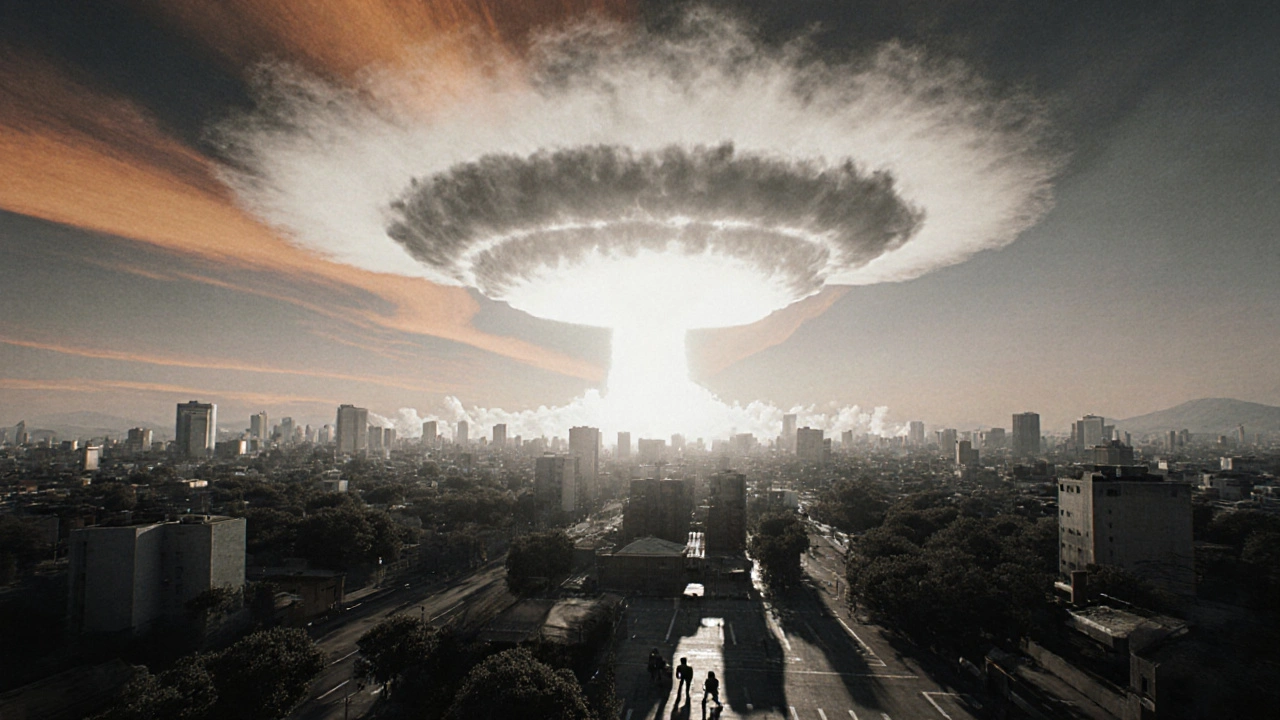
What Is the Most Famous Moment in History? The Atomic Bombing of Hiroshima
The atomic bombing of Hiroshima on August 6, 1945, is the most famous moment in history due to its global recognition, lasting impact on international law, and its role as the first use of nuclear weapons - a turning point that reshaped war, peace, and human survival.