World War II: Key Events, Causes, and Lasting Impact on London and the World
When we talk about World War II, the deadliest conflict in human history, involving over 30 countries and lasting from 1939 to 1945. Also known as the Second World War, it wasn’t just a series of battles—it rewrote borders, economies, and daily life for millions. The war began when Germany invaded Poland, but its roots ran deeper: unresolved anger from World War I, the rise of fascism, and failed diplomacy. By 1940, London was under constant attack. The Blitz turned neighborhoods into rubble, but the city didn’t break. People slept in tube stations, rationed every scrap of food, and kept working—even as bombs fell.
World War II didn’t just change Europe. It forced global alliances, birthed the United Nations, and accelerated technology like radar, jet engines, and early computers. The Holocaust, the systematic murder of six million Jews and millions of others by Nazi Germany remains one of history’s darkest chapters, forcing the world to confront hatred on an industrial scale. In London, the war left scars you can still see: bombed-out churches rebuilt as memorials, street names honoring fallen soldiers, and families who never got their loved ones back. The NHS, the UK’s public healthcare system was born from the war’s lessons—healthcare wasn’t a privilege, it was a right.
After the war, London didn’t just recover—it transformed. Rationing lasted until 1954. Women who worked in factories and air raid shelters refused to go back to being seen as just housewives. Immigrants from the Caribbean and South Asia arrived to help rebuild, changing the city’s culture forever. The war also exposed how fragile peace is. The Cold War started before the last bomb had even stopped falling. Today, when we hear about global conflict, economic strain, or political extremism, we’re seeing echoes of what happened 80 years ago.
What you’ll find here aren’t just old news stories. These are real accounts—from Londoners who lived through the Blitz, to reports on how the war shaped today’s politics, housing, and even how we talk about trauma. You’ll see how the war’s legacy still shows up in everything from transport strikes to housing shortages. This isn’t history class. This is what happened, and why it still matters right now.
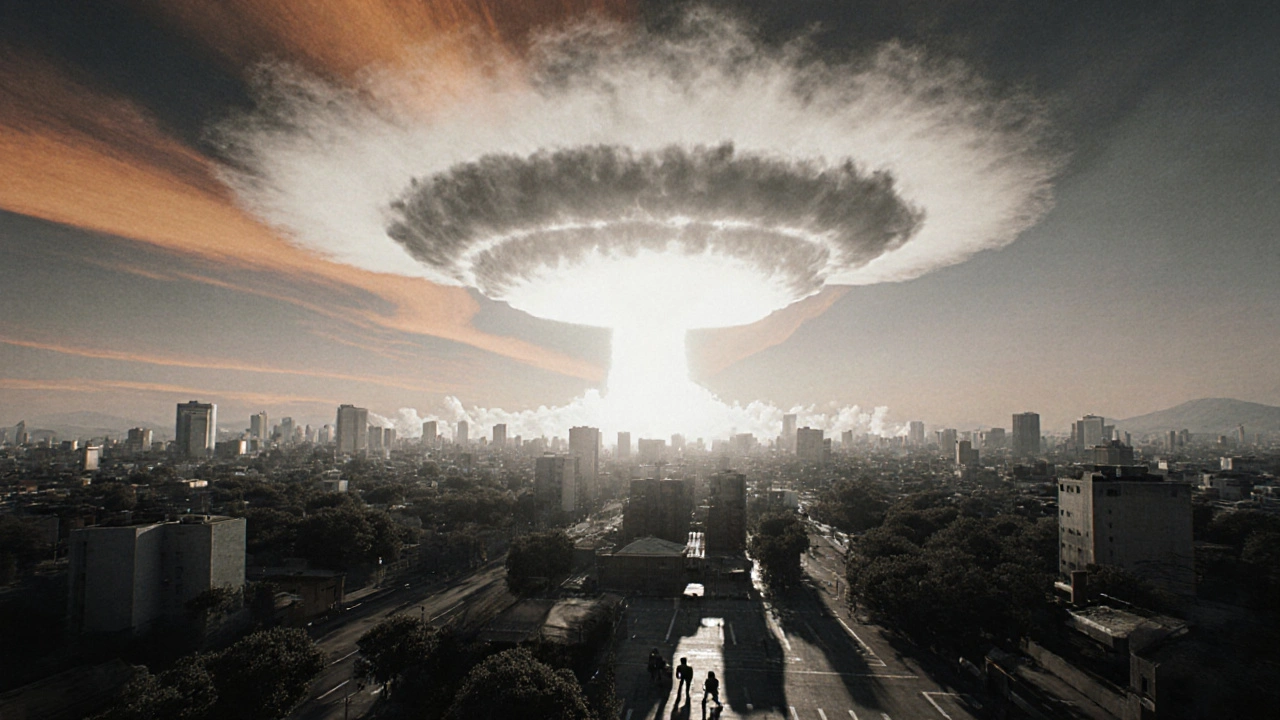
What Is the Most Famous Moment in History? The Atomic Bombing of Hiroshima
The atomic bombing of Hiroshima on August 6, 1945, is the most famous moment in history due to its global recognition, lasting impact on international law, and its role as the first use of nuclear weapons - a turning point that reshaped war, peace, and human survival.