Three Major Current Events Shaping the World in December 2025
Humanitarian Aid Estimator
Humanitarian Impact Calculator
Results Based on Article Data
Full Aid Requirement
$1.2 billion
Current Funding
$696 million
Urgent Aid Gap
$504 million
People Without Food
3,200,000
Children in Malnutrition
1,600,000+
Health Centers Functional
37%
Article Context: Based on December 2025 data: 500,000 displaced in DRC (300% increase), 68% women/children displaced, 3.2 million without food, 37% health centers functional, $1.2B funding appeal only 58% funded.
The world is at a turning point. As of December 2025, three major events are reshaping global politics, economies, and human lives in ways that will echo for years. These aren’t distant headlines-they’re unfolding crises and alliances with real consequences for millions. From the forests of the Democratic Republic of the Congo to the oil tankers off Venezuela’s coast and the signing tables in New Delhi, the threads of power, survival, and strategy are tightening across continents.
The Humanitarian Collapse in the Democratic Republic of the Congo
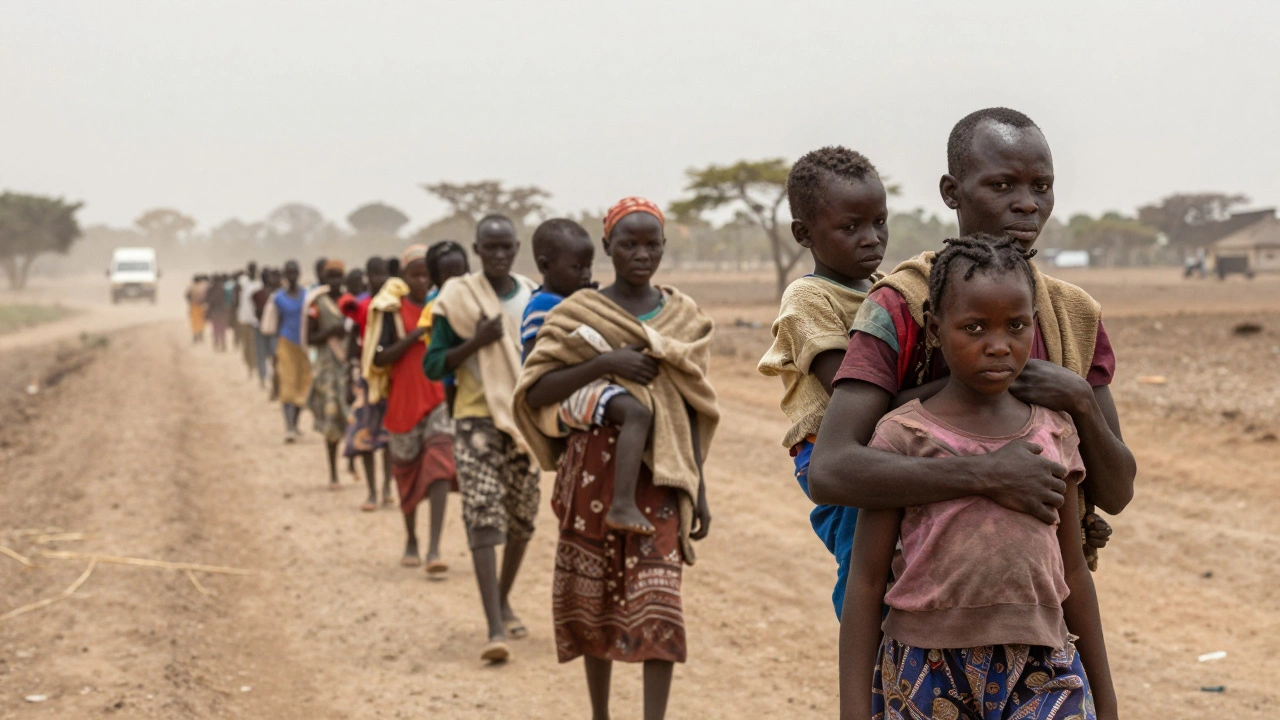
More than 500,000 people have been forced from their homes in eastern DRC since the M23 rebel offensive escalated in September 2025. That’s a 300% jump in just three months. The UN says this is the worst displacement crisis in Africa since the 2011 Somalia famine. Whole villages have vanished. Fields lie empty. Schools are shuttered. Health centers? Only 37% are still functioning in North Kivu province. What’s worse, 68% of those displaced are women and children. Nearly half of them are under 15. Many are walking for days, carrying nothing but the clothes on their backs, crossing into Uganda, Rwanda, and Burundi. UNHCR reports 180,000 new child refugees have crossed borders since mid-November. But aid is falling short. Only 58% of the $1.2 billion humanitarian appeal has been funded. That leaves 3.2 million people without enough food. In some areas, families are eating leaves and boiled grass. Children are showing signs of severe malnutrition. UN peacekeepers have lost 17 lives in 2025 alone-70% more than last year. This isn’t just a local conflict. It’s a regional time bomb. Neighboring countries are overwhelmed. Rwanda denies supporting M23, but weapons and fighters keep flowing across borders. The UN warns of a ‘regional conflagration’-a chain reaction that could pull in Angola, Tanzania, and even the Central African Republic. The world is watching, but the response has been slow, quiet, and insufficient.Trump’s Escalation Against Venezuela and Colombia
On December 11, 2025, President Donald Trump stood in front of the White House press corps and announced the seizure of the MV Maracaibo-a massive oil tanker carrying two million barrels of Venezuelan crude. It was intercepted 120 nautical miles off Venezuela’s coast, en route to Cuba. The U.S. says it violated sanctions. Venezuela calls it piracy. The tanker’s capture is the largest single seizure of oil in U.S. history. But that wasn’t the end of it. The same day, Trump turned his fire on Colombia. He publicly threatened President Gustavo Petro: “Colia is producing a lot of drugs... they have cocaine factories... he better wise up or he’ll be next.” The comment sent shockwaves through Latin America. Colombia produced 1,650 metric tons of cocaine in 2025-a 22% increase from 2024. The FBI arrested drug lord ‘El Wedding’ on December 9, accusing him of orchestrating 120 murders. But Trump’s rhetoric isn’t targeting traffickers-it’s targeting a democratically elected leader who has spent years trying to end the drug war through peace talks and crop substitution. The International Crisis Group warns this could unravel Colombia’s fragile peace process. Petro’s government has already reduced coca cultivation by 18% in some regions. Now, with U.S. threats looming, paramilitary groups are regrouping, and farmers are returning to coca out of fear. The Colombian peso dropped 5.2% against the dollar in one day. Venezuela’s oil output has collapsed to 380,000 barrels per day-down 87% since 2018. The U.S. is trying to choke off both countries, but the result is more instability, not less. Diplomats in Bogotá and Caracas are scrambling to prevent military escalation.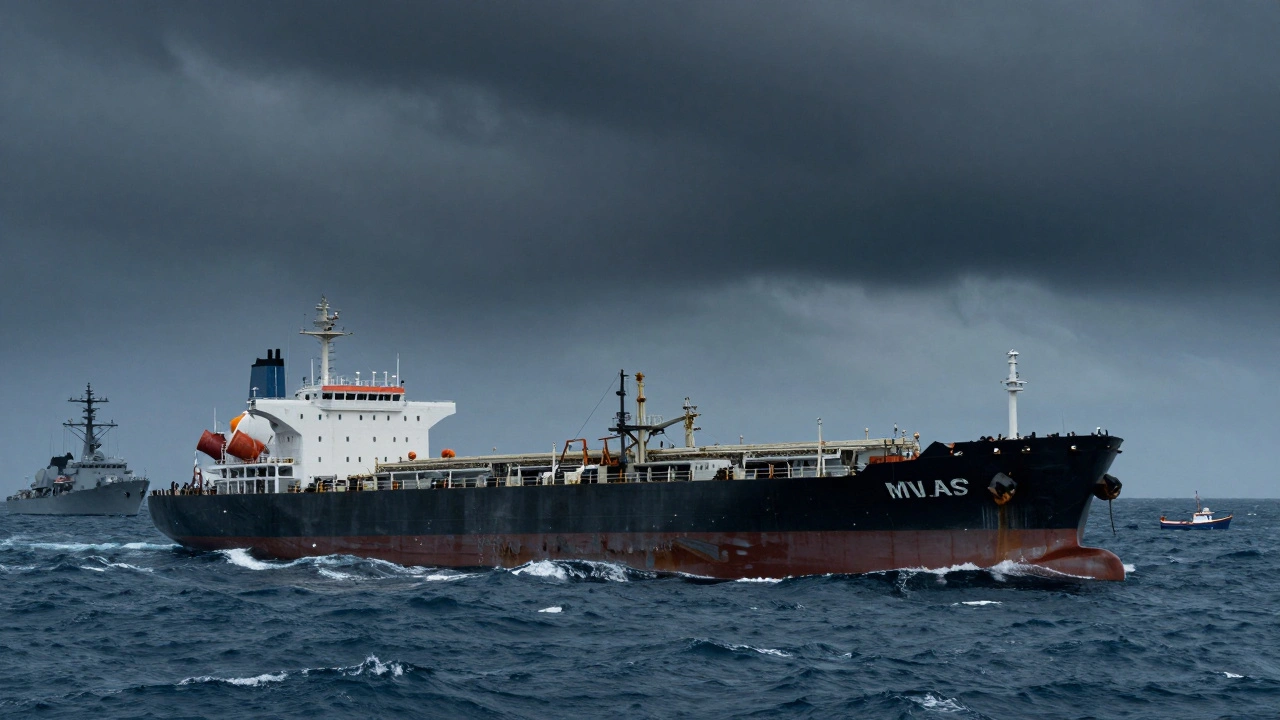
India and Russia Forge a New Economic Axis
While the West watches with concern, India and Russia are building something new: a powerful, self-sustaining economic alliance. On December 5-6, 2025, Russian President Vladimir Putin visited New Delhi for the first time since the Ukraine war began. The summit wasn’t symbolic-it was strategic. They signed a $30 billion trade package. India agreed to import 1.2 million barrels of Russian crude per day in 2026-that’s 42% of India’s total oil supply, up 20% from last year. Russia, meanwhile, gained a stable buyer for its oil after Western sanctions cut off its European markets. The partnership goes beyond fuel. India and Russia are co-producing 200 BrahMos-II hypersonic missiles. Defense deals totaled $8.7 billion in 2025, a 25% jump from 2024. They’ve also expanded their Vostro banking mechanism, which now processes $28.4 billion in rupee-ruble transactions annually-a 180% increase. By 2026, bilateral trade in local currencies is expected to hit $65 billion. This is a direct challenge to U.S. economic pressure. In October 2025, Washington slapped 15% tariffs on Indian goods after India bought $42.3 billion in discounted Russian oil in 2024. India didn’t blink. It doubled down. Why? Because Russia offers reliable energy at half the price of Middle Eastern oil. And India needs energy to power its factories, trains, and growing middle class. The U.S. sees this as betrayal. India sees it as survival. As Carnegie Endowment analyst Dmitri Trenin put it: “This isn’t alignment-it’s necessity.”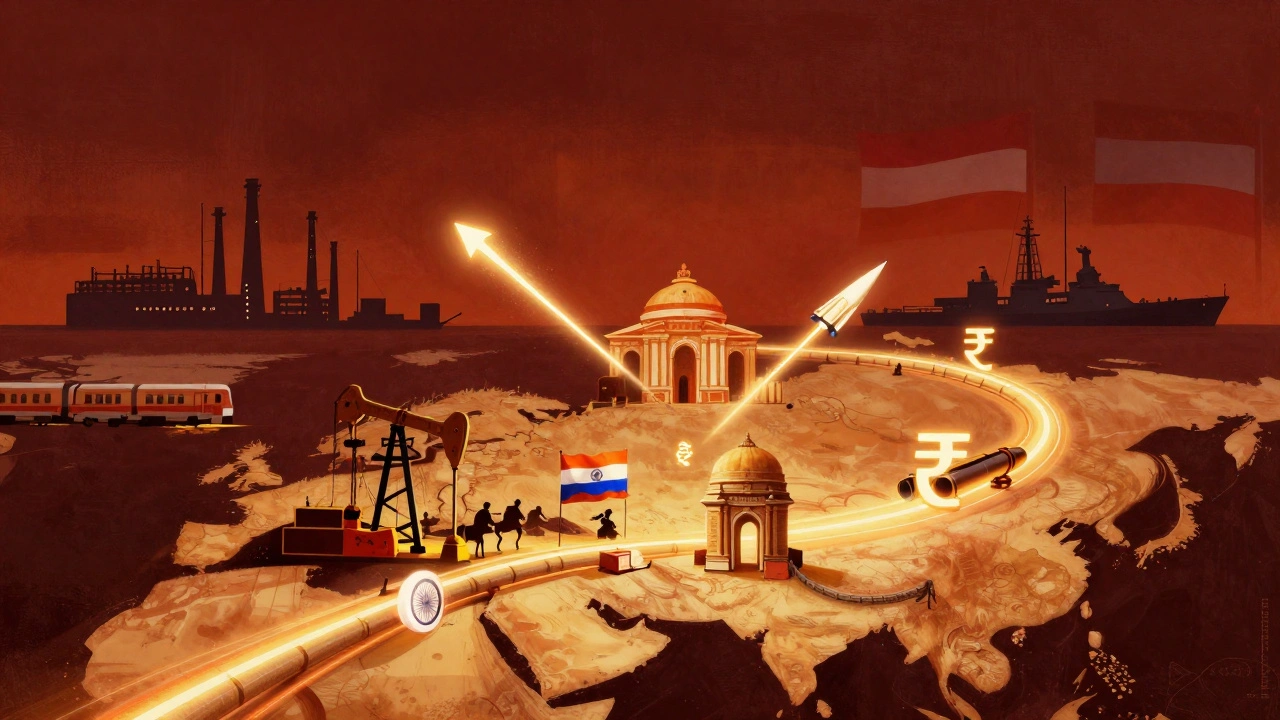
Why These Three Events Matter Together
These aren’t isolated stories. They’re symptoms of a fractured world. The DRC crisis shows how weak states collapse under pressure, leaving civilians to pay the price. The U.S.-Venezuela-Colombia standoff reveals how sanctions and threats can backfire, fueling chaos instead of control. And the India-Russia deal proves that global power isn’t just about alliances-it’s about who controls the flow of oil, weapons, and money. Meanwhile, civic freedoms are declining in 78% of countries. Military regimes are cracking down harder. Hate speech is surging. The UN’s 20th anniversary of the Alliance of Civilizations was marked not by unity, but by growing division. Brent crude prices jumped 8.3% after the India-Russia deal. Financial markets are reacting not just to policy-but to the collapse of old systems. The world isn’t just changing. It’s being rebuilt-by desperation, by defiance, and by quiet, calculated choices made in rooms far from the headlines. These three events are the clearest signs that the post-Cold War order is gone. What comes next? No one knows. But the people living through it already feel the weight of it.What’s Next?
In early 2026, the UN Security Council will vote on whether to authorize a regional peacekeeping force for eastern DRC. The U.S. is likely to oppose it, citing lack of clear mandate. Russia and China may support it-but only if they get a say in the mission’s leadership. In Colombia, Petro’s government is preparing emergency talks with rebel groups, fearing that U.S. threats will push them back into violence. The White House has quietly signaled it may soften its tone-if Petro cracks down harder on drug cartels. And in India, the government is preparing to open a new pipeline from the Gulf of Kutch to the eastern border, designed to handle Russian crude directly-bypassing Western-controlled shipping lanes. The U.S. is watching. And preparing sanctions. The next 90 days will decide whether these three crises spiral further-or if the world finds a way to pull back from the edge.

About Author
