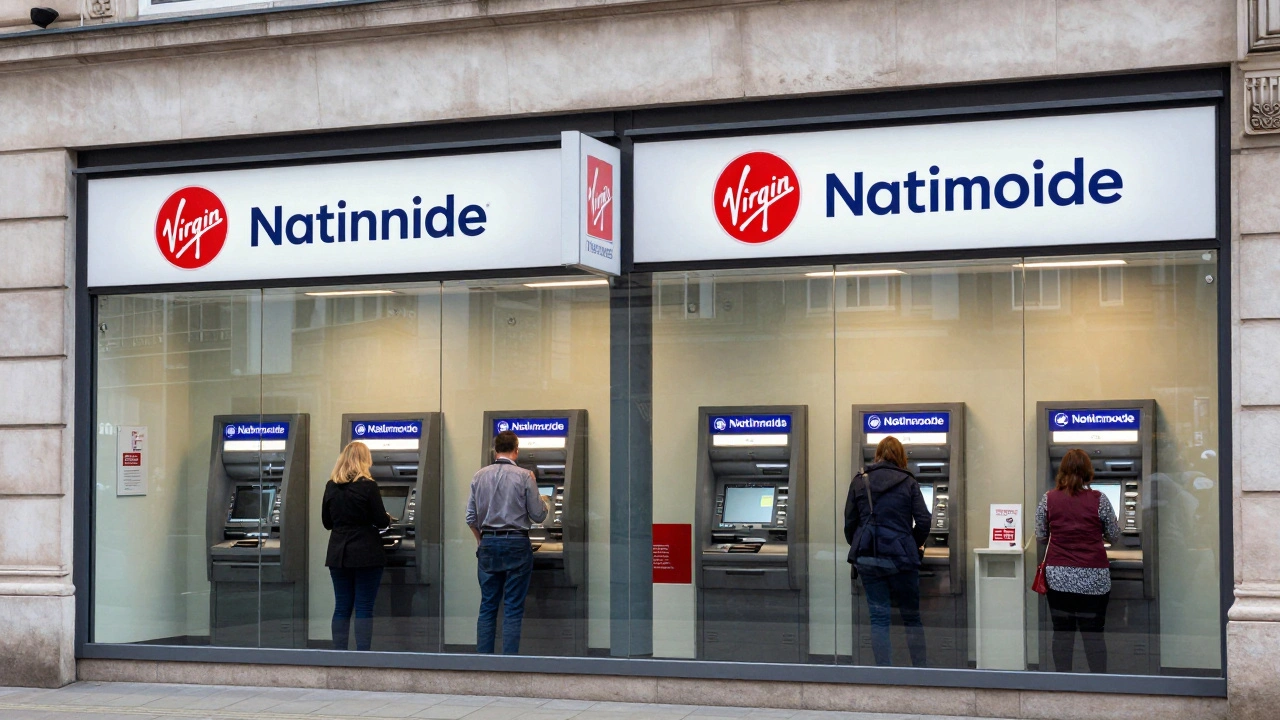
Virgin Money UK News: What Happens After the Nationwide Acquisition
FSCS Protection Calculator
Check Your FSCS Protection
Before April 2026, your money is protected up to £85,000 per institution. After the merger, all funds will be protected under Nationwide's scheme up to £85,000 total.
Virgin Money UK is no longer an independent bank. As of October 1, 2024, it became part of Nationwide Building Society in a deal worth billions. This isn’t just another corporate reshuffle - it’s one of the biggest banking changes in the UK in a decade. If you have a Virgin Money account, you’re probably wondering: What does this mean for me? The short answer: nothing changes right now. But everything will change by April 2026.
What’s Actually Happening?
Nationwide didn’t just buy Virgin Money. It absorbed it. The deal closed on October 1, 2024, but Virgin Money is still operating under its own name, with its own app, branches, and red credit cards. That’s by design. Nationwide is taking its time - and that’s good news for customers. You don’t need to do anything yet. Your account number, direct debits, and online login stay the same. The bank hasn’t changed its fees, interest rates, or customer service numbers.The legal transfer is scheduled for April 2, 2026. That’s when Virgin Money will officially stop being a separate company and become part of Nationwide. Before then, you’ll get letters, emails, and app notifications walking you through each step. No surprises. No rush.
Why Did Nationwide Buy Virgin Money?
Nationwide is the UK’s largest building society. It’s owned by its members - not shareholders. That means it doesn’t answer to investors trying to squeeze out profits. Virgin Money, on the other hand, was a challenger bank with strong digital tools and a loyal customer base, especially among younger people. But it was also losing money on some products and had fewer branches than rivals.Nationwide saw an opportunity. Virgin Money had 2.1 million credit card users and 47.8 billion in mortgage loans. Nationwide had almost none of that. Now, together, they’ll control 14.5% of the UK mortgage market and 22% of savings accounts. That’s a huge leap. It means Nationwide can compete better with big banks like HSBC and Barclays.
Analysts say the merger could save £350 million a year by 2027. That comes from cutting duplicate systems, closing some branches, and combining IT teams. But Nationwide says it won’t cut customer service or raise fees to make those savings.
What About Your Money?
Right now, your money is protected by the Financial Services Compensation Scheme (FSCS). That means if either bank fails, you get back up to £85,000 per person, per institution. Since Virgin Money and Nationwide are still separate, you’re covered for £170,000 if you have accounts with both.After April 2026, that changes. Once Virgin Money becomes part of Nationwide, your total protection drops to £85,000 across both accounts. So if you’ve got £60,000 in a Virgin Money savings account and £50,000 in a Nationwide ISA, you’re over the limit. You might want to move some money before the switch.
Will Your Credit Card Disappear?
That red Virgin Money credit card? It’s not going away tomorrow. In fact, it’s still being issued. But after the full integration, Nationwide will likely rebrand it. You’ll get a new card - probably with Nationwide branding - but your existing terms won’t change. Your APR, credit limit, and rewards stay the same until Nationwide tells you otherwise.Customers who’ve had their Virgin Money card for years say they’re worried. Reddit threads and Trustpilot reviews are full of messages like: “I’ve had this card for 12 years - will I lose my rewards?” The answer: no. Nationwide has promised to honor existing terms. But future offers might shift to Nationwide’s program.
What Happens to Branches?
Virgin Money has 85 branches. Nationwide has over 600. You can still walk into any Virgin Money branch today. But after April 2026, some of them will close. Industry analysts estimate 15-20% of Virgin Money branches could shut, mostly in areas close to existing Nationwide locations. If you rely on branch visits, check your nearest branch’s status on the Virgin Money website. You’ll get at least 12 weeks’ notice before any closure.Don’t panic. Nationwide says it’s keeping branches open in areas with no other banking access. If yours is on the list, they’ll help you switch to online banking or direct you to the nearest alternative.
Will the App and Online Banking Change?
Right now, Virgin Money’s app is still the one you use. It’s fast, clean, and rated 4.2 out of 5 on Trustpilot. Nationwide’s app is solid too, but less flashy. After the full integration, you’ll likely be moved to Nationwide’s platform. But don’t expect a sudden switch. The transition will be gradual - probably starting in late 2025 with a notification to download the new app.You’ll get help. There will be video guides, step-by-step instructions, and live chat support. Your login details might change, but your transaction history, payees, and alerts will carry over. If you use Money Dashboard or Yolt, those will keep working - they connect to your bank, not the brand.
Customer Service: Will It Get Worse?
Virgin Money’s customer service has always been a strength. Its first-contact resolution rate is 87%. Nationwide’s is 91%. That’s close. But Nationwide has more staff and longer call center hours. After the merger, you might notice faster response times - especially outside business hours.Some customers are nervous. One Reddit user wrote: “I called Virgin Money about a disputed charge and got it sorted in 7 minutes. Will Nationwide be as good?” The signs are positive. Nationwide has said it’s hiring 500 new customer service staff specifically to handle the transition. They’re also training them on Virgin Money’s systems so they can answer questions without passing you around.

What Should You Do Now?
Nothing - unless you have over £85,000 across both Virgin Money and Nationwide accounts. Then, consider moving some funds before April 2026.Keep using your accounts as normal. Don’t close your Virgin Money card or transfer your mortgage just because you’re worried. The bank is legally required to treat you fairly during this process. If you get a confusing letter, check the official FAQ pages on virginmoney.com or nationwide.co.uk. Don’t trust random emails - scammers are already trying to exploit this.
Sign up for updates. Both banks are sending out regular emails and app alerts. Make sure you’re on the list. If you’re not sure whether you’re subscribed, log in to your online account and check your communication preferences.
What’s Next?
The next big date is February 2026. That’s when the High Court will give final approval for the full transfer. After that, the real work begins: merging IT systems, aligning product offerings, and slowly phasing out the Virgin Money brand. Most experts think the Virgin Money name will disappear by late 2027.But here’s the thing: you won’t wake up one day and find your bank has vanished. It’ll be a slow fade. Your account number stays. Your direct debits keep running. Your customer service number doesn’t change - until it does, and you’re told why.
This merger isn’t about killing Virgin Money. It’s about making it stronger. For customers who love its digital tools, that’s a win. For those who like Nationwide’s mutual structure and branch network, that’s a win too. The real question isn’t whether this is good or bad. It’s whether you’re ready for change - and whether you’ve checked your FSCS protection limits.
Will Virgin Money still exist after the merger?
Virgin Money will continue to operate as a separate brand until April 2, 2026. After that, it will legally become part of Nationwide. The Virgin Money name and branding may be phased out gradually, with full integration expected by late 2027. Your accounts won’t vanish - they’ll just be managed under Nationwide’s systems.
Do I need to switch my accounts now?
No. You don’t need to do anything until Nationwide contacts you with instructions. Your current accounts, cards, and services will work exactly as they always have. The only reason to act now is if you have more than £85,000 total across Virgin Money and Nationwide accounts - in that case, consider moving some funds before April 2026 to stay protected by the FSCS.
Will my interest rates change?
Your existing rates - whether on your mortgage, savings, or credit card - will not change until Nationwide notifies you. Even after the legal transfer, you’ll keep your current terms. Any new offers or rate adjustments will come with at least 60 days’ notice, as required by FCA rules.
Is my money safe?
Yes. Your deposits are protected by the FSCS up to £85,000 per person, per institution. Since Virgin Money and Nationwide are still separate until April 2026, you’re covered for £170,000 total. After the transfer, your combined balance across both accounts will be protected up to £85,000. If you’re near the limit, plan ahead.
What happens to my Virgin Money credit card rewards?
Your current rewards and benefits will remain unchanged. Nationwide has confirmed it will honor all existing terms. However, future rewards programs may be aligned with Nationwide’s own system. You’ll be given plenty of notice before any changes take effect, and you’ll have the option to keep your current card until its expiry date.
Will I lose access to my branch?
Most Virgin Money branches will remain open until at least mid-2026. After that, some may close - especially if there’s a nearby Nationwide branch. You’ll get at least 12 weeks’ notice before any closure. Nationwide says it’s committed to keeping branches open in areas without other banking options. You can also use Nationwide’s 600+ branches after the merger.
How will I know when the transition is happening?
You’ll receive letters, emails, and in-app messages from both Virgin Money and Nationwide. The first major wave of communication started in November 2025, with detailed guides sent to all 3.8 million customers. You can also check the official transition pages on virginmoney.com and nationwide.co.uk. Don’t rely on social media rumors - always verify with official sources.
Final Thoughts
This isn’t a crisis. It’s a transition. Virgin Money’s digital edge and Nationwide’s stability are being combined to create something bigger - and potentially better. If you’ve been happy with Virgin Money’s app, customer service, or credit card, you’ll still have those things. You’ll just have them from a larger, more secure bank.The key is to stay informed. Don’t ignore the letters. Don’t panic about the brand change. And if you’re unsure, call their helpline - they’re still there, and they’re still ready to help.



About Author
