
Who Regulates UK News? Ofcom, IPSO, and the New Laws Shaping Truth in 2026
UK News Regulation Checker
What regulates your news source?
Check which regulator applies based on your media format and revenue
Regulatory Authority
Key Requirements
Potential Fines
Why this matters
When you publish news, understanding regulation helps avoid legal issues, fines, and protects your audience from misinformation. This tool simplifies complex rules to help you comply with UK media laws.
Who actually controls what you read and watch in the UK? It’s not one person, not one agency, and definitely not the government pulling strings behind the scenes. The system is messy, layered, and changed dramatically on January 1, 2026. If you’re wondering who makes sure the news isn’t just noise or lies, here’s the real breakdown - no fluff, no jargon, just how it works today.
Two Systems, One Country
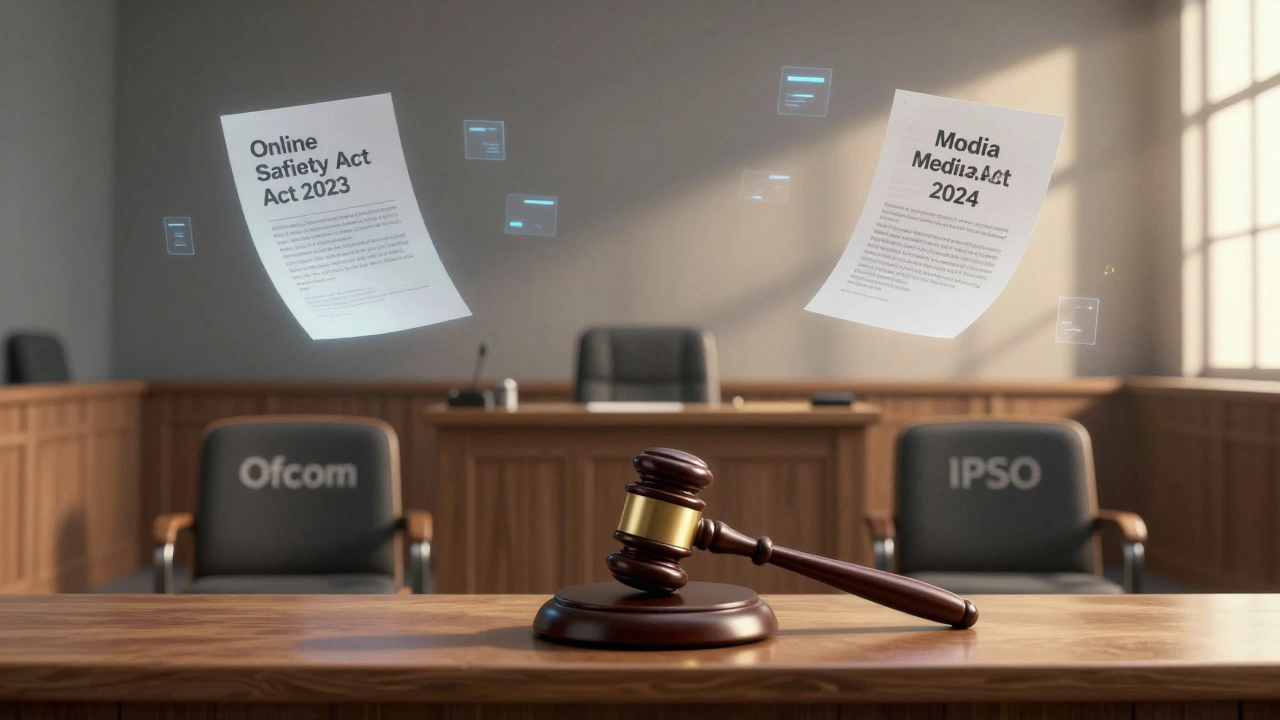
The UK doesn’t have one rulebook for all news. It has two separate systems, and they don’t talk to each other much. One handles TV, radio, and online platforms. The other handles newspapers and their websites. That’s not a mistake - it’s by design.For broadcast and digital news - think BBC, Sky News, ITV News, and big platforms like YouTube or TikTok when they host news clips - the regulator is Ofcom. Ofcom is the UK’s official communications regulator, created under the Communications Act 2003 and given sweeping new powers by the Online Safety Act 2023 and the Media Act 2024. Ofcom doesn’t just watch what’s on air. It now controls how news appears on apps, websites, and smart TVs.
For newspapers - The Times, The Guardian, Daily Mail, The Independent, and their digital editions - it’s a different story. They answer to the Independent Press Standards Organisation (IPSO is a self-regulatory body set up in 2014 after the Leveson Inquiry into press ethics. It’s funded by the industry, not the government, and its rules are voluntary - but most major publishers sign up.
Here’s the catch: if a newspaper has a YouTube channel or runs a news podcast, that part falls under Ofcom. If a TV station publishes an article on its website, that article falls under IPSO. That’s why big newsrooms now have two compliance teams: one for broadcast, one for print.
Ofcom’s New Powers: The Online Safety Act 2023
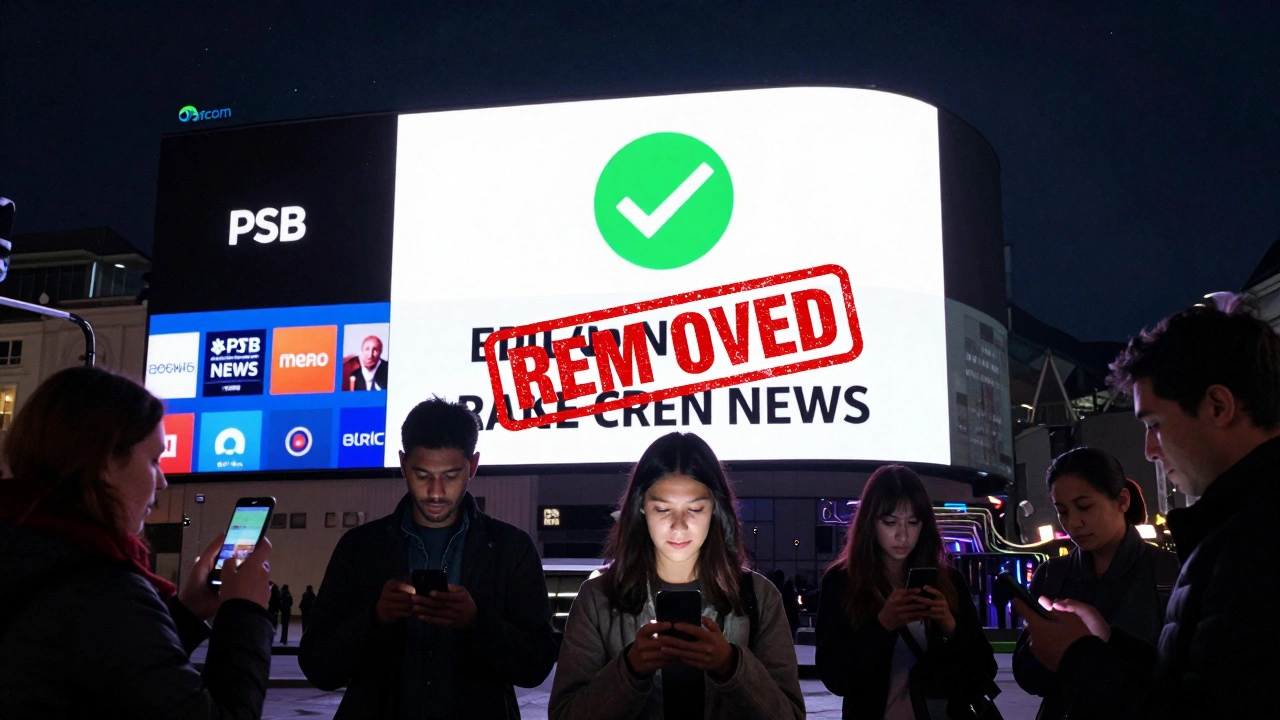
The biggest shift happened in 2026, when the Online Safety Act 2023 fully came into force. This law turned Ofcom from a broadcaster watchdog into the main enforcer of online news integrity.Under this law, any online service with more than £250 million in global revenue must follow strict rules if it hosts news content. That includes Google News, Meta’s news feed, Apple News, and even large independent news apps. These platforms are now legally required to:
- Identify and label content from verified news publishers
- Give users tools to report misleading or harmful news
- Remove illegal content like fraud or incitement within 24 hours
- Publish quarterly transparency reports showing how many news items were removed, appealed, or flagged
There’s a catch: services making under £10 million in UK revenue are exempt. That’s why small blogs and local news sites aren’t drowning in paperwork. But if you’re BBC, Sky, or a global tech giant pushing news content, you’re under the microscope.
Ofcom can fine companies up to £18 million - or 10% of their global revenue, whichever is higher. In 2025, Ofcom fined a major social platform £14 million for failing to label political ads correctly. That’s not a warning. That’s a warning shot.
The Media Act 2024: What It Changed for Broadcast News
On January 1, 2026, the Media Act 2024 took effect, overhauling how public service broadcasters (PSBs) like the BBC, ITV, Channel 4, Channel 5, and S4C operate.Before this law, PSBs only had to air a certain amount of original news on TV. Now, they must also produce and host news on-demand - meaning if you watch a news segment on BBC iPlayer, it counts toward their quota. The law also requires:
- At least 30% of news content to be regional or local (not just London-centric)
- 20% to come from independent producers (not in-house teams)
- News apps to be prominently displayed on smart TVs and set-top boxes
That last one is huge. Connected TV platforms like Roku, Amazon Fire TV, and Apple TV must now make sure PSB news apps are easy to find. No more burying them in menus. Ofcom will start naming which platforms are compliant by mid-2026. If they don’t comply, they can be fined.
There’s also a new rule for live events. Major events like the World Cup final, the Olympics, or the Queen’s funeral must be available on free-to-air TV. Streaming services can’t lock them behind paywalls. Ofcom’s updated code on this is still being finalized, but the goal is clear: no one should miss a national moment because they don’t pay for a subscription.
IPSO: The Quiet Player in Print
While Ofcom gets all the headlines, IPSO still runs the show for newspapers. It’s not a government body. It’s run by publishers, journalists, and independent members. If you think a newspaper printed a lie, you can file a complaint with IPSO. They investigate, and if they find a breach of their Code of Practice, they can force a correction, an apology, or even a headline rewrite.But here’s the problem: IPSO can’t fine anyone. It can’t shut down a paper. Its power is moral, not legal. That’s why some publishers - especially those with more tabloid-style content - don’t always play nice. And because it’s self-funded, critics say it’s too close to the industry it’s supposed to police.
Still, for most readers, IPSO matters. In 2025, it handled over 8,000 complaints. Around 40% were upheld. That’s not perfect, but it’s more than nothing. And unlike Ofcom, IPSO covers every single print and digital newspaper in the UK - even the tiny ones.
Who Pays? And How Much?
Regulation isn’t free. Big platforms pay Ofcom fees. The first charging year runs from April 1, 2026, to March 30, 2027. Companies with over £250 million in global revenue must pay based on their UK audience size and content type. News publishers pay more than entertainment apps.Smaller news sites? They pay nothing. That’s intentional. The law wants to keep the market open for independents. But if you’re a global tech giant with a news feed, you’re looking at six-figure annual fees.
IPSO? It’s funded by the industry. The biggest publishers pay the most. In 2025, the Daily Mail Group paid £2.1 million to IPSO. The Guardian paid £1.4 million. That’s how they keep the system running - and why smaller papers often struggle to afford membership.
What’s Coming Next?
The changes aren’t done. In 2027, the government plans to amend the Media Act 2024 to include rules for AI-generated news. Imagine a fake video of a politician saying something they never said - and it’s made by AI. That’s coming. Ofcom is already drafting rules for labeling synthetic content.There’s also tension with the EU. The UK’s rules are platform-focused. The EU’s Digital Services Act is service-focused. A UK news site that reaches millions in Europe now has to follow two different sets of rules. That’s costing companies millions in compliance.
And enforcement is ramping up. Ofcom’s first big push was on child safety. In 2026, they turned their attention to news. Expect more fines, more transparency reports, and more pressure on platforms to prove they’re not amplifying misinformation.
Why This Matters to You
If you read news online, this affects you. You’re not just a consumer - you’re part of the system. When you share a headline, you’re helping it spread. When you report a fake story, you’re helping Ofcom catch it. When you complain about a biased article, you’re helping IPSO hold publishers accountable.There’s no perfect system. Ofcom is powerful but slow. IPSO is fast but toothless. The laws are complex, expensive, and still evolving. But one thing is clear: in 2026, no one can claim they didn’t know. The rules are out. The watchdogs are watching. And the responsibility - finally - is shared.



About Author
