
Yahoo News UK: How It Works, Who Publishes on It, and Why UK Readers Use It
Yahoo News UK doesn’t create its own stories. Instead, it pulls articles from major British news outlets like The Telegraph, The Guardian, and Hearst UK, then serves them to readers through a mobile app and website. It’s not a newsroom - it’s a digital hallway where UK journalism meets global traffic. If you’re wondering why you see British headlines on an app that also shows NFL scores and Silicon Valley updates, that’s by design.
How Yahoo News UK Actually Works
The platform uses two systems to pick what you see: human editors and algorithms. A team based in New York and London reviews top stories from partner publishers each morning. They block out low-quality content, flag misleading headlines, and make sure major events get proper coverage. At the same time, machine learning tracks what you click, how long you read, and whether you scroll past stories about politics or sports. If you spend 47 seconds on a story about the NHS, you’ll get more of those. If you skip anything with Boris Johnson’s name, you won’t see it again.
It’s not perfect. Users in the UK report seeing too many U.S.-centric takes - like American commentators analyzing the UK budget or Canadian analysts weighing in on Scottish independence. That’s because Yahoo’s algorithm prioritizes engagement, and U.S. audiences drive more clicks. A story about a new UK tax policy might get 12,000 views in Britain but 87,000 in the U.S. So the system pushes it harder to Americans, even if it’s not relevant to you.
Who Publishes on Yahoo News UK?
Only publishers who sign a revenue-sharing deal with Yahoo can appear. That’s why you see The Telegraph and The Guardian, but not local papers like the Birmingham Mail or Manchester Evening News. The deal works like this: Yahoo shows ads next to each article. When you click an ad, Yahoo shares a portion of that revenue with the publisher. Exact numbers aren’t public, but publishers say it’s better than what they got from Facebook’s Instant Articles - which paid pennies per click.
Major partners have to meet technical standards. Articles need images at least 1200 pixels wide, clean metadata tags, and no paywall blocking the first 20% of content. The Telegraph, for example, lets Yahoo use 80% of its articles because most are free to access. The Guardian allows full access to its journalism on Yahoo, which helps them reach American readers who might never visit their own site.
Why UK Users Keep Coming Back
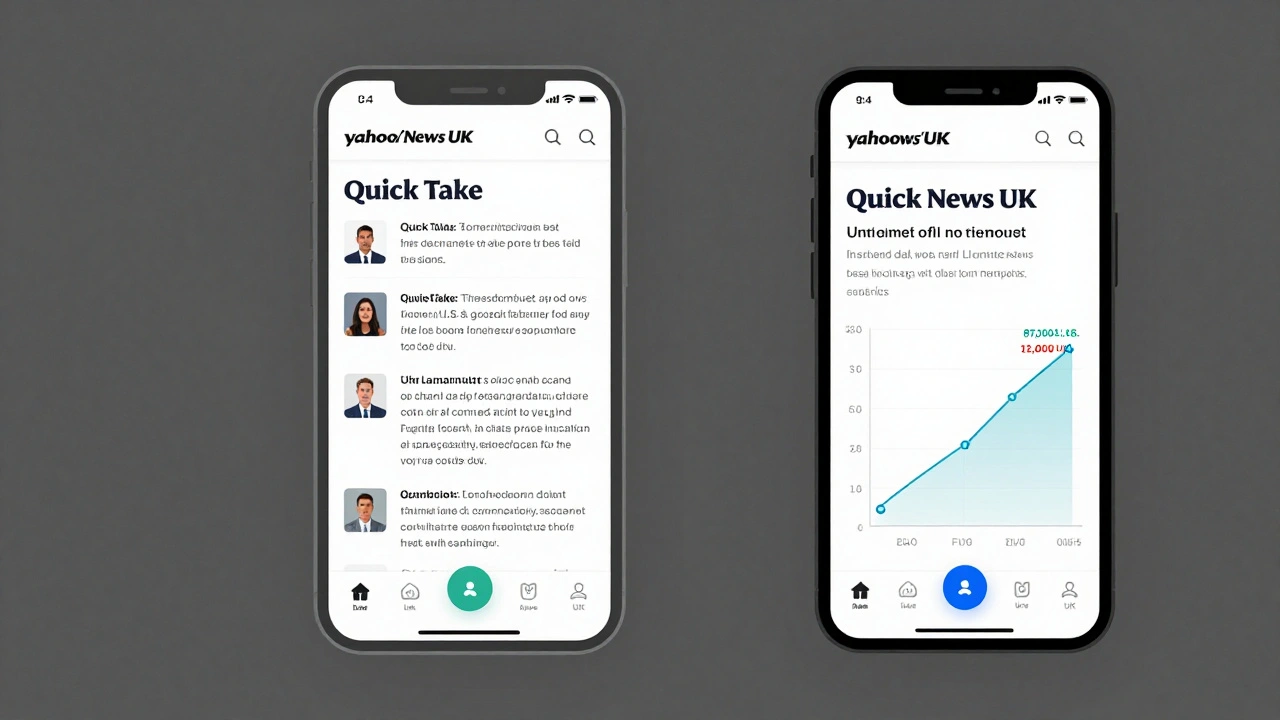
Many UK readers don’t use Yahoo News as their main source. They use it as a filter. The app’s AI-generated bullet-point summaries - called “Quick Take” - are a big reason why. Instead of reading a 1,200-word piece on the latest inflation data, you get three lines: “CPI up 2.1% in November. Food prices fell. Core inflation holds steady.” That’s useful for people checking news during their commute or between meetings.
Another feature users love is the ability to block publishers. If you’re tired of seeing the same five stories from the Daily Mail every day, you can tap “Hide this source.” Yahoo’s 2022 internal data shows 37% of UK users have done this. That’s more than any other feature. It gives people control - something Facebook and Google don’t offer.
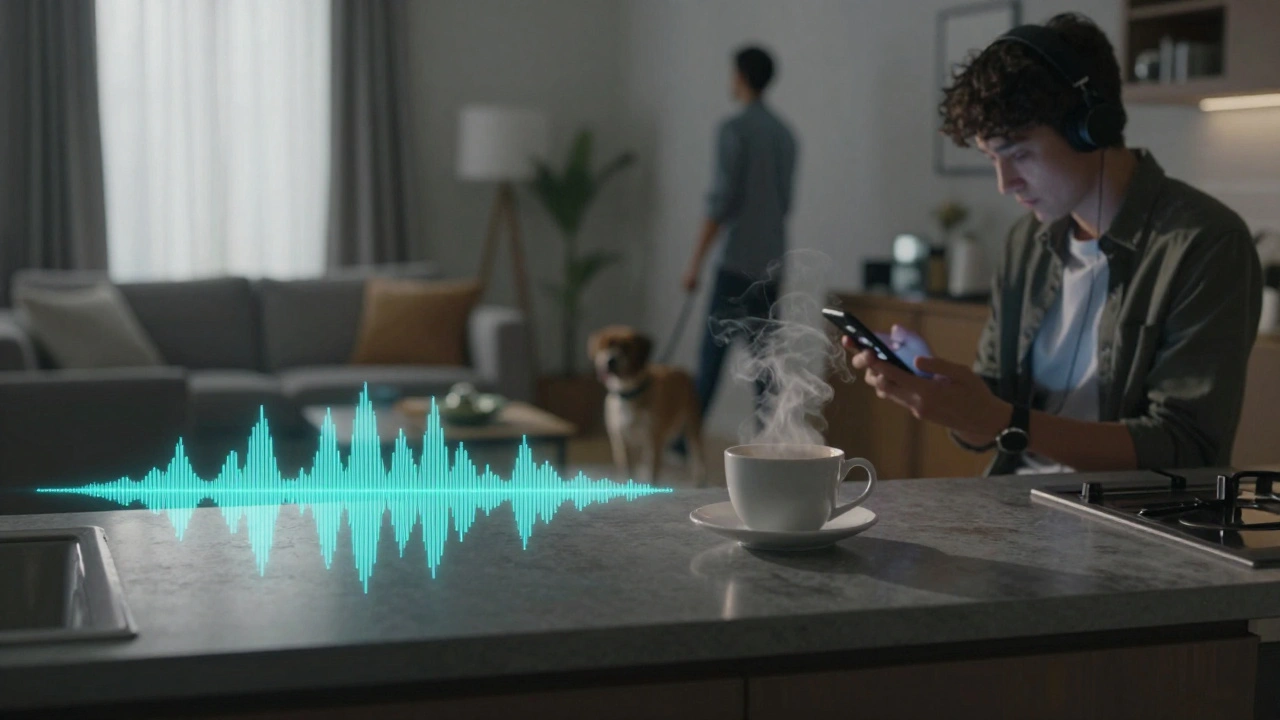
Also, the app’s audio “Morning Briefing” plays a 5-minute roundup of top stories when you wake up. It’s not human-read. It’s AI-generated, but it’s surprisingly natural. People use it while making coffee, walking the dog, or getting dressed. One Reddit user in Leeds said: “I used to listen to BBC Radio 4. Now I just hit play on Yahoo. It’s faster, and I get The Guardian’s take too.”
Where It Falls Short for UK Readers
Yahoo News UK doesn’t cover local issues well. No stories about council tax hikes in Bristol. No deep dives into school funding in Nottingham. No interviews with small business owners in Northern Ireland. That’s because the platform doesn’t work with regional publishers. It’s built for national and international reach, not hyperlocal depth.
There’s also a trust problem. A 2019 study from the University of Sussex found that users didn’t know how stories were chosen. “Is this trending because it’s important - or because it’s shocking?” asked Dr. Emily Harmer. Yahoo doesn’t publish its ranking rules. You can’t see why one story is on the front page and another isn’t. The BBC, by contrast, has clear editorial guidelines online for everyone to read.
And then there’s the deepfake issue. In November 2023, Yahoo partnered with McAfee to scan all images for AI-generated fakes. That’s rare. Most news apps don’t check photos. But Yahoo’s system now flags manipulated images - like a fake photo of a protestor holding a sign that says “End the Monarchy” that was actually edited from a royal wedding. This feature isn’t perfect, but it’s a step most competitors haven’t taken.
How It Compares to the Competition
Google News shows you 10 different takes on the same story. Apple News has exclusive content from The Times and Bloomberg. Facebook News is mostly viral posts and opinion pieces. Yahoo News UK sits in the middle: not as smart as Google, not as polished as Apple, but better than Facebook when it comes to quality.
Market share data from Enders Analysis (2025) shows Google News leads in the UK with 42% of users. Apple News is second at 24%. Yahoo News UK sits at 8%. That’s not huge - but it’s growing. The platform added 3.2% more UK users in 2024, while Google added 5.7%. Still, Yahoo’s strength isn’t in dominating the UK market. It’s in giving British publishers access to 120 million U.S. readers.
For publishers, that’s the real win. The Telegraph’s chief customer officer said in 2017: “Yahoo’s U.S. audience should be a strong addition to our revenue.” Four years later, that’s still true. A single article about the King’s speech on Yahoo can get 200,000 views - 180,000 of them from the U.S.
What’s Next for Yahoo News UK?
In September 2023, Yahoo integrated technology from Artifact - a news startup it bought - to make personalization smarter. Now, if you read three articles about climate policy, the app starts suggesting related reports from the Grantham Research Institute. It’s not perfect, but it’s moving beyond just republishing headlines.
Also, in December 2025, Yahoo announced it’s tying News into Mail and Finance. Soon, if you’re checking your email and see a deal on a flight to Edinburgh, you’ll get a news story about holiday travel delays in Scotland right beside it. That’s new. It turns news from a standalone app into a context layer for your daily digital life.
But the big question remains: Will Yahoo ever build its own UK reporting team? Probably not. The company’s strategy is clear - it’s not trying to be the BBC. It’s trying to be the bridge. A bridge between British journalism and the massive U.S. audience. For publishers, that’s valuable. For UK readers who want deep local coverage, it’s not enough.
Should You Use It?
If you want to see what British news looks like to American readers - yes. If you’re a busy person who wants quick summaries of major stories without digging through five apps - yes. If you care about supporting UK publishers and want to know how their work reaches the world - yes.
If you want to know what’s happening in your town, or understand the full context of a local protest, or read investigative journalism from your region - no. Use the BBC, The Guardian, or your local paper instead.
Yahoo News UK isn’t the future of news. But it’s a useful tool - if you know what it’s for.
Is Yahoo News UK free to use?
Yes. The app and website are completely free. There are no subscriptions or paywalls. You’ll see ads, but you won’t be charged to read stories. The revenue comes from advertisers, not users.
Can I trust the news on Yahoo News UK?
You’re reading articles from established UK publishers like The Telegraph and The Guardian - so the source material is reliable. But Yahoo doesn’t fact-check those stories again. It just republishes them. The platform does scan images for AI fakes since late 2023, which helps, but it doesn’t verify claims in text. Always check the original publisher’s site if you need deeper context.
Why do I see so many U.S. stories on Yahoo News UK?
The algorithm is designed to maximize global engagement. Stories that get more clicks in the U.S. get pushed harder - even if they’re about American politics or celebrity news. The UK audience is smaller, so U.S. content often dominates the feed. You can reduce this by blocking publishers you don’t like or using the “Hide U.S. stories” toggle in settings (available since 2024).
Does Yahoo News UK have breaking news alerts?
Yes. You can turn on push notifications for major events like royal announcements, elections, or terrorist attacks. But it’s not as fast as the BBC or Sky News apps. Yahoo relies on its publisher partners to send alerts, and there’s often a 5-10 minute delay while stories are reviewed and formatted for the app.
How do I get my news outlet on Yahoo News UK?
Only major UK publishers with significant traffic and editorial resources are invited. Yahoo doesn’t accept applications from small outlets or blogs. If you’re part of a large media company, you’d need to contact Yahoo’s publisher team directly and meet their technical requirements: RSS feed integration, image specs, metadata tags, and open-access content. The process takes 2-3 weeks.
Final Thoughts
Yahoo News UK isn’t trying to replace your local paper or the BBC. It’s trying to give British journalism a bigger stage. For publishers, that’s a win. For readers who want a quick, clean feed of major stories - especially from trusted names - it’s useful. But if you’re looking for depth, context, or local insight, you’ll still need to go elsewhere.
The platform’s future depends on two things: keeping publishers happy and making its algorithm smarter for UK users. So far, it’s doing the first. The second? Still a work in progress.



About Author
