Breaking News UK: Starmer's Budget Fallout, Norway Defense Pact, and Ukraine Asset Move
UK Household Budget Impact Calculator
The UK government's 2025 budget includes tax hikes that will reduce average household disposable income by £875 according to Treasury figures. Independent analysis suggests the actual impact could be as high as £1,240.
Key Facts: UK's NHS budget increased by £29 billion, but tax hikes reduced household disposable income. The average family is estimated to lose between £875 and £1,240.
Your Household Impact
Official Treasury Estimate
-
Independent Analysis Estimate
-
Based on UK government data and independent analysis, your household disposable income will be reduced by:
Breaking news in the UK right now isn’t just one story-it’s five major events crashing into each other, shaking the political landscape and forcing the public to rethink what’s really happening behind the headlines. As of December 2025, the country is in the middle of its most intense political week in over a decade, with decisions on defense, finance, accountability, and free speech all unfolding at once.
Starmer Faces Backlash After Budget Announcement
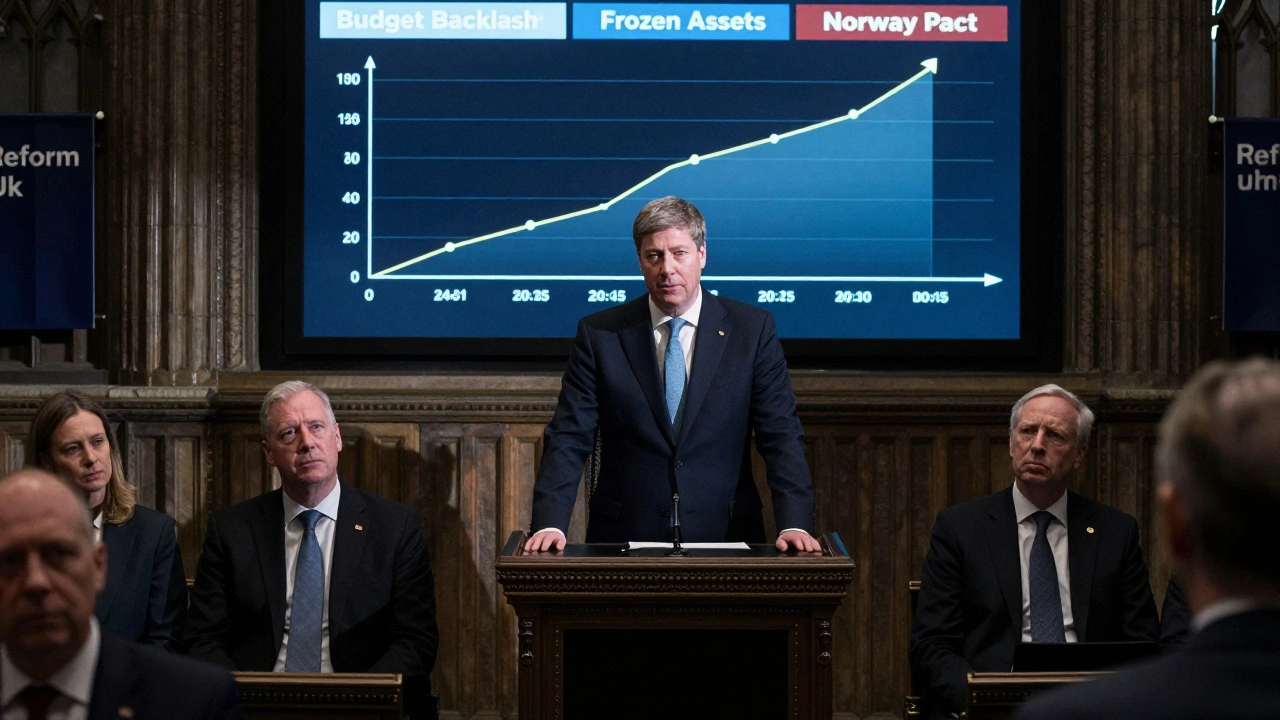
Prime Minister Sir Keir Starmer walked into Prime Minister’s Questions on December 3, 2025, with a heavy load. Just days earlier, his government unveiled its first major budget since taking office in July 2024. The budget included £29 billion for the NHS, but also a series of tax hikes that hit households hard. Sky News reported that the average UK family will lose £875 in disposable income this year, according to Treasury figures-though analysts at Capital Economics say the real number is closer to £1,240.
Conservative leader Kemi Badenoch didn’t hold back. In a 37-minute session, she zeroed in on education funding, calling the budget “broken” for children with special needs. She cited data showing 14,000 fewer teaching assistants in England since 2022. Starmer countered by claiming the budget would lift over half a million children out of poverty, but critics pointed out the government hasn’t released the full modeling behind that claim.
Meanwhile, three MPs from the Conservative Party switched to Reform UK this week, a sign the right-wing political base is shifting. Starmer admitted during PMQs that “three XMPPs have gone I think this week,” a rare public acknowledgment of the erosion of traditional party loyalty.
UK and Norway Sign Landmark Defense Pact
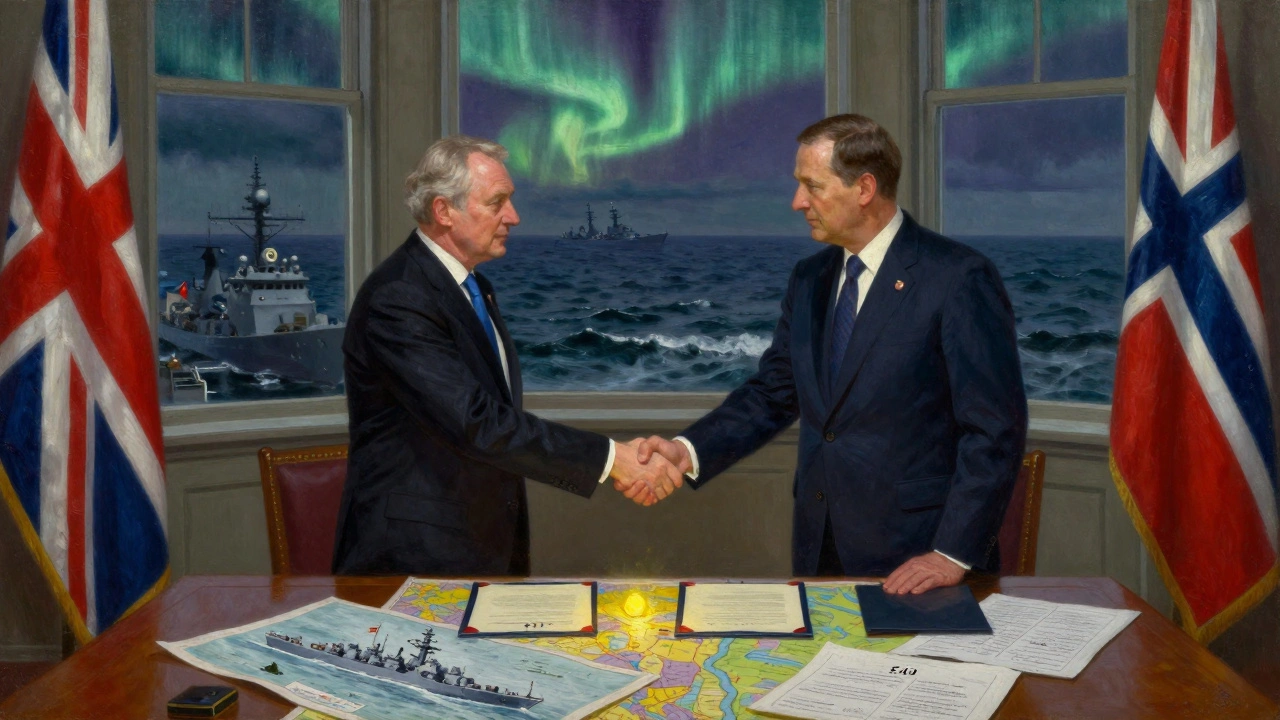
On December 4, 2025, Prime Minister Starmer hosted Norwegian PM Jonas Støre at Lunna House, and they announced a new defense agreement that could reshape UK security in the North Atlantic. The “Lunna House Agreement” commits both nations to joint patrols in waters where Russian vessel activity has surged by 30% over the past two years.
The deal includes a £10 billion order for new UK-built frigates, set to create 4,000 jobs across shipyards in Scotland and Northern Ireland. It also includes a £12.6 million fund to help 35,000 British service members cover travel costs to see families during the holidays-a move designed to boost morale amid rising deployment demands.
While the UK has long relied on NATO, this is the first time it has struck a bilateral defense pact with a non-NATO European country since the 1990s. Norway’s geographic position, with direct access to the Arctic and North Sea, makes it a critical ally. The agreement doesn’t mention troop deployments, but it does include real-time intelligence sharing and joint cyber defense drills.
UK May Release £8 Billion in Frozen Russian Assets for Ukraine
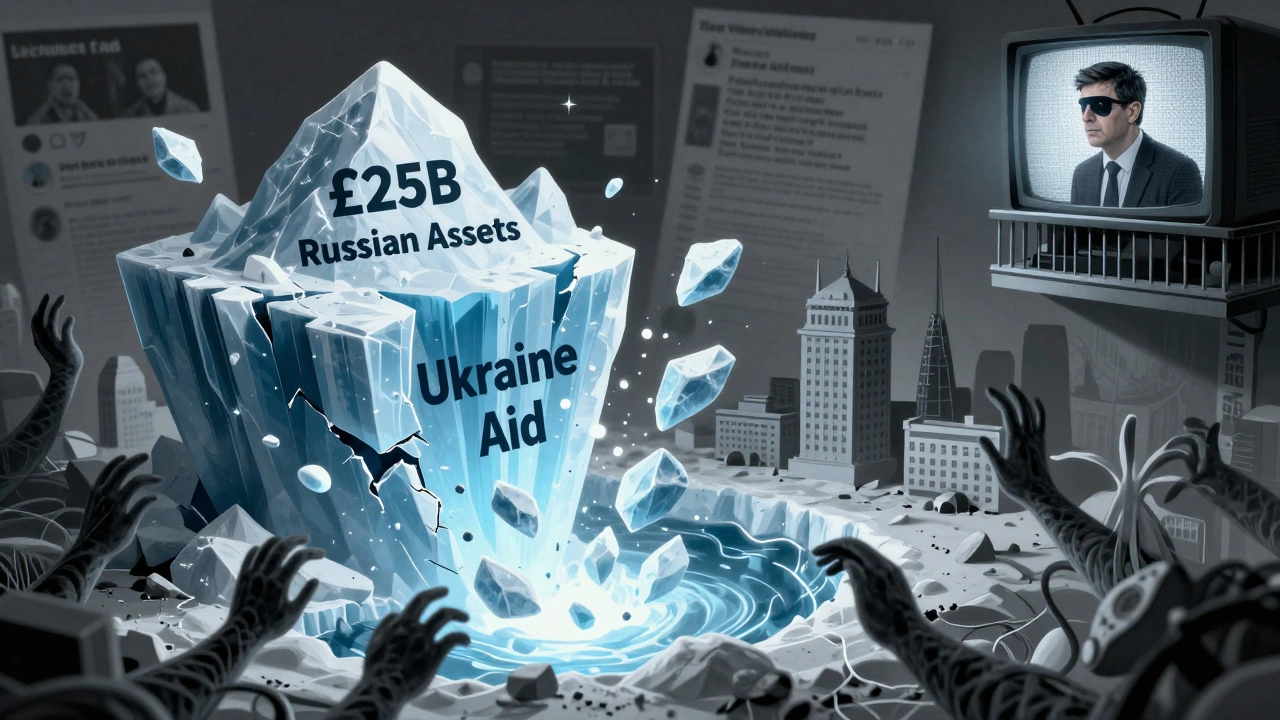
One of the most explosive stories broke on December 5, 2025: The UK is preparing to transfer £8 billion in frozen Russian assets to Ukraine. That’s nearly a third of the £25 billion in Russian money held in UK banks since the invasion began. It would more than double Britain’s total military aid to Ukraine, which stood at £4.2 billion through November 2025.
The move was discussed during the UK-Norway meeting and aligns with a broader Western push to use frozen assets as a long-term funding tool for Ukraine. The Bank of England confirmed the assets are legally held in trust, but legal experts say transferring them requires parliamentary approval. The government says it’s working on legislation to be introduced before Christmas.
Ukraine’s ambassador to the UK called it “a game-changer,” while Russian officials warned it would be “an act of war.” Analysts say this could trigger retaliatory cyberattacks or economic sanctions on UK banks with Russian ties. The timing is no accident-it comes just as EU leaders prepare to vote on a similar move.
Nigel Farage’s BBC Controversy Sparks National Debate
While the government focused on defense and aid, a firestorm erupted over Nigel Farage. On December 4, the Reform UK leader demanded a public apology from the BBC after it aired archival footage of him making racially charged comments during a 1987 school debate. The clips, taken from a local TV archive, showed Farage using language now widely condemned.
Farage claimed the comments were “taken out of context” and that he “hasn’t used that language in decades.” But the BBC stood by its reporting, citing the footage as historically relevant given his current political role. The story exploded on social media: 89,000 Twitter mentions in 24 hours, 2.3 million TikTok views, and heated debates across Reddit and X.
The controversy came just as Reform UK announced a £9 million donation-the largest single gift in the party’s history. That’s nearly half of all donations the party has received since 2023. Critics argue the timing suggests an effort to capitalize on outrage. Supporters say it’s proof of grassroots momentum.
UK Covid-19 Inquiry Uncovers Systemic Failures
Meanwhile, the UK Covid-19 Inquiry’s Module 9 hearings continued, digging into how emergency funds were distributed during the pandemic. Witnesses described a system where local councils were left guessing about budgets because central government refused to share financial data. One official said: “We were working seven days a week, but we didn’t know if we’d get paid next week.”
The inquiry revealed that decisions were often influenced by “league table positioning”-meaning local authorities were pressured to show results quickly, even if it meant cutting corners. One council in the North East reported 300 families missed out on food aid because paperwork was delayed by political review.
Former Chancellor Rishi Sunak is set to testify on December 18, and his appearance could be explosive. If he’s questioned about budget secrecy during the pandemic, it could reopen wounds from his time in office and raise fresh questions about transparency in crisis.
What’s Next? Inflation, Testimony, and Political Tipping Points
The next two weeks will define whether Starmer’s government can hold its ground. On December 11, the Bank of England releases its quarterly inflation report. Economists expect inflation to rise to 3.1%, up from 2.8%. If it hits 3.2% or higher, pressure will mount to reverse tax cuts on energy and fuel.
Then comes Sunak’s testimony on December 18. If he blames ministers for poor data sharing, it could fracture the Labour Party’s narrative that it’s cleaning up after Conservative chaos. And with Reform UK gaining traction, Labour’s lead in the polls-once steady-is now slipping among older voters in the Midlands and North.
For now, the UK is watching. Not just because of one headline, but because all these stories are connected. The defense deal with Norway isn’t just about ships-it’s about Britain’s place in the world. The frozen assets aren’t just money-they’re a test of moral leadership. The Farage controversy isn’t just about old words-it’s about who gets to shape public trust. And the Covid Inquiry isn’t just about past mistakes-it’s about whether power will ever be held accountable.
Breaking news isn’t just what’s happening today. It’s what’s being decided for tomorrow.
What’s the biggest breaking news story in the UK right now?
The most significant story is the UK’s potential move to transfer £8 billion in frozen Russian assets to Ukraine. This would be the largest single financial commitment to Ukraine from any Western nation and could trigger major diplomatic and economic consequences. It’s happening alongside a new defense pact with Norway, political fallout from the budget, and a major controversy involving Nigel Farage and the BBC-all unfolding at once.
Why is the UK-Norway defense deal important?
The UK-Norway defense agreement is important because it’s the first bilateral military pact the UK has made with a non-NATO European country in over 30 years. It responds to a 30% increase in Russian naval activity near UK waters and includes a £10 billion frigate deal that will create 4,000 UK jobs. It also includes joint patrols and cyber defense coordination, signaling a new level of strategic alignment in the North Atlantic.
How much money is the UK holding from frozen Russian assets?
The UK is currently holding £25 billion in frozen Russian assets, according to Bank of England data from October 2025. The government is preparing to transfer £8 billion of that to Ukraine, which would be the largest such transfer by any Western country and would more than double the UK’s total military aid to Ukraine since the war began.
What did Nigel Farage say that caused the controversy?
The BBC aired archival footage from 1987 showing Nigel Farage making racially insensitive comments during a school debate. He has not repeated those exact words in public since the 1990s. He argues the context was different and that he has changed, but critics say his current political platform still echoes similar themes. The BBC says the footage is relevant because of his current role as a national political figure.
When will Rishi Sunak testify at the Covid Inquiry?
Rishi Sunak is scheduled to testify on December 18, 2025, during Module 9 of the UK Covid-19 Inquiry. He will be questioned about budget decisions made during the pandemic, particularly around how emergency funding was allocated and whether political pressure influenced distribution to local councils. His testimony could have major political consequences for both Labour and the Conservatives.
Is inflation expected to rise in the UK soon?
Yes. The Bank of England’s quarterly inflation report is due on December 11, 2025. A survey of 25 economists predicts inflation will rise to 3.1%, up from 2.8%. If it hits 3.2% or higher, the government could face pressure to reverse recent tax cuts on fuel and energy, which would impact household budgets just before Christmas.


About Author
