London News: Transport Chaos, Cultural Resilience, and the Push for Infrastructure Reform
London Transport Delay Calculator
Estimate Your Travel Impact
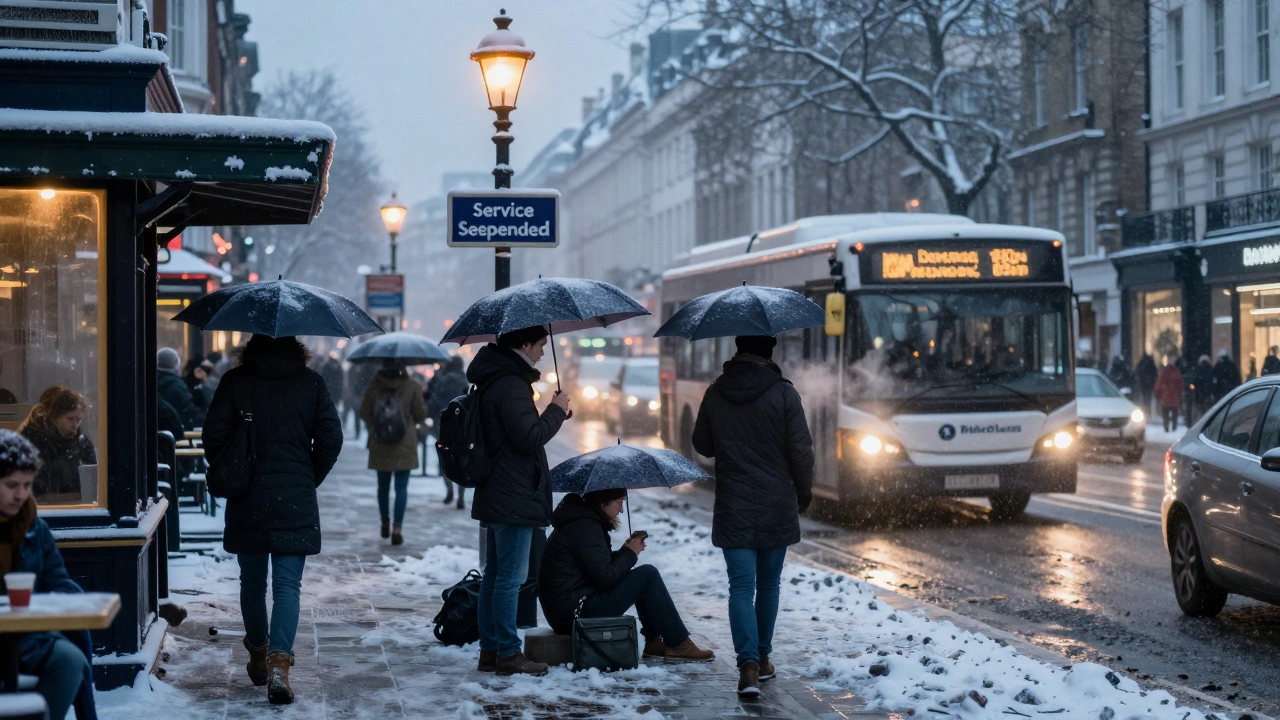
On January 17, 2026, London didn’t just wake up to snow-it woke up to a city on pause. Two of its busiest transport routes, the Brighton Main Line and the Piccadilly line, were completely shut down for the entire weekend. For the 50,000 people who rely on these lines daily, there was no warning that felt real. No backup that worked well enough. No clarity that helped.
Transport Collapse: Two Arteries, One Weekend
The Brighton Main Line shutdown was planned. Network Rail had announced it months in advance: track renewal, signal upgrades near Redhill, and junction improvements. But planning doesn’t make disruption easier. For 48 hours, no Southern, Thameslink, or Gatwick Express trains ran between London and Gatwick Airport. Replacement buses were set up-but they moved slower than traffic on the M25. What used to take 30 minutes by train became a 75-minute slog. Gatwick Airport saw 72,843 departing passengers over the weekend. Most of them didn’t make it on time. Meanwhile, the Piccadilly line-London’s lifeline to Heathrow-was also offline. Not just the daytime service. Not just the Tube. Even the Night Tube, which normally keeps the city moving after midnight, was suspended. TfL scrambled to deploy replacement buses across all 53 stations. But with Heathrow expecting 120,000 passengers a day, the chaos was inevitable. Travelers who once reached the airport in 50 minutes now faced 70 to 90 minutes. Some missed flights. Others slept in terminals. Dr. Eleanor Chen from the Centre for London put it bluntly: “This wasn’t just a disruption. It was a system failure.” Her team estimated the lost productivity cost £1.2 million per day. That’s not just missed flights. It’s delayed deliveries, canceled meetings, stressed workers, and businesses losing revenue. And it wasn’t just the trains. Heavy snowfall on January 14 had already caused a track fire in South London, adding to delays and frustration.Why Did No One See This Coming?
Network Rail and TfL claimed they gave 28 days’ notice. But notice isn’t the same as understanding. A tweet from @LondonCommuter on January 17 said it best: “I got 12 emails. None of them said ‘your airport trip is now impossible.’” Consumer group London TravelWatch recorded a 300% spike in complaints. 87% of those complaints said the warning was buried in fine print. People didn’t know the shutdowns overlapped. They didn’t know the Elizabeth line wouldn’t handle the extra load. They didn’t know the bus replacements would be delayed by traffic. Social media exploded. Over 14,000 tweets used #LondonTransportCrisis. Brandwatch analysis showed 68% carried negative sentiment. People weren’t angry about the work-they were angry about the lack of coordination. Why didn’t the agencies talk to each other? Why wasn’t there a unified app update? Why were passengers left guessing?Cultural Lifelines in the Midst of Chaos
While the city struggled to move, it didn’t stop living. Time Out London highlighted six free cultural events that became refuges for stranded travelers and local residents alike. At Gagosian Davies Street, Nan Goldin’s raw, intimate photos from ‘The Ballad of Sexual Dependency’ drew long lines. In E1 6QR, Juju’s Bar & Stage recreated David Lynch’s eerie Red Room from Twin Peaks-a surreal, hypnotic space that felt like a dream after a night of train delays. The city-wide Condo art festival turned galleries into community hubs. In Camden, a pop-up poetry reading turned a quiet bookstore into a warm, crowded space where people shared stories about missed flights and forgotten coats. In Peckham, a free film screening of ‘London Calling’ played on a warehouse wall. No tickets. No lines. Just people, sitting on blankets, watching the city they love on screen. These weren’t just distractions. They were acts of resistance. When the system fails, culture steps in.
The Cash-First Food Bank and the Hidden Crisis
Behind the headlines of delayed trains and canceled flights, another story was unfolding quietly. In Brixton, a new food bank started giving out cash instead of food. No vouchers. No parcels. Just £10 notes in envelopes. “People don’t need more soup,” said manager Fatima Nkosi. “They need to choose. Maybe they need medicine. Or bus fare. Or a warm coat.” This shift reflects a deeper truth: London’s cost-of-living crisis isn’t fading. It’s deepening. The same people who missed their flights because they couldn’t afford a taxi are now choosing between heating and eating. The food bank served 400 households last week-double the number from December.The £350 Million Question: Should Tourists Pay More?
As the transport mess made headlines, another idea gained traction: a tourist tax. BBC News reporter Kumail Jaffer reported that officials are considering a levy that could raise £350 million a year-about 2.3% of London’s £14.7 billion tourism income. That money, they argue, could fix the broken signals, replace aging tracks, and build better emergency plans. The Mayor’s office signaled support: “The weekend’s failures underscore the urgent need for sustainable funding.” But critics point out: London already charges visitors a £5 congestion charge. Should tourists pay more when locals can’t afford the Tube? The debate is heating up. Some say it’s fair-tourists benefit from infrastructure they don’t pay for. Others say it punishes the very people who keep the city alive.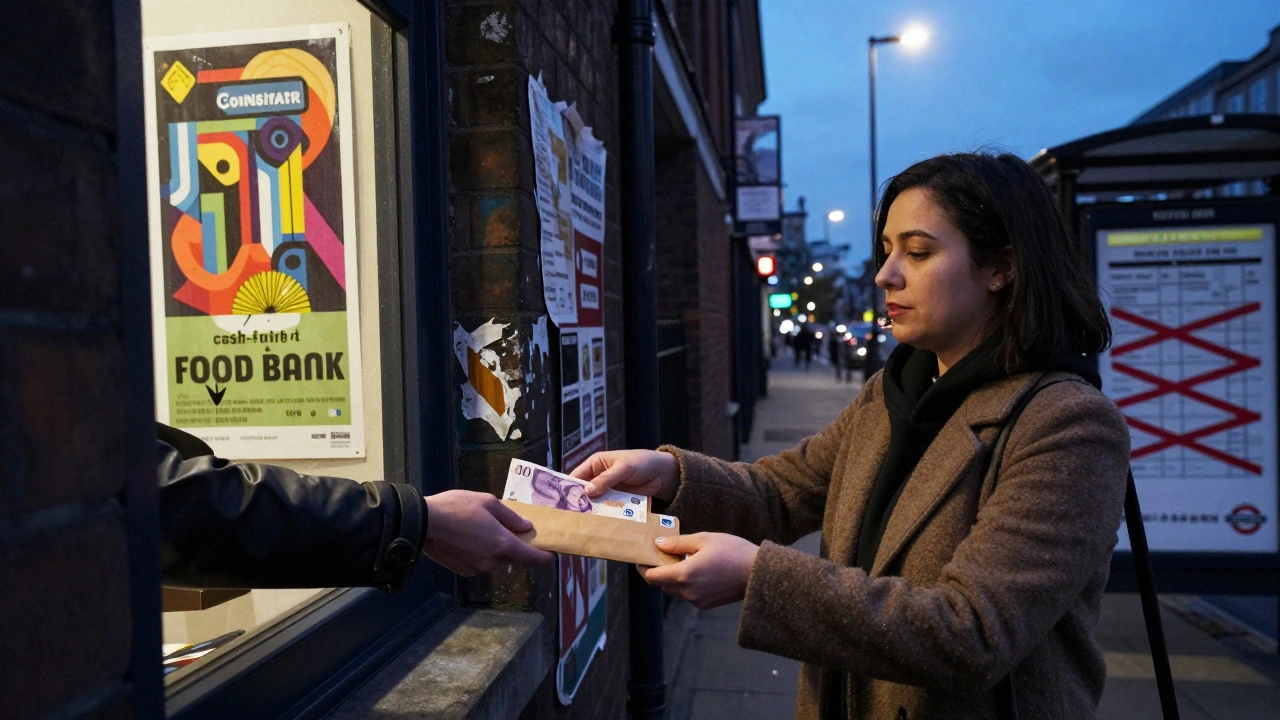
What’s Next? More Shutdowns, More Pressure
This wasn’t a one-off. Network Rail’s schedule shows more closures coming: January 24-26 and February 7-9, 2026. Twelve more stations on the Brighton Main Line will go dark. The Elizabeth line will be stretched thinner. The Piccadilly line won’t get a break. The London Assembly Transport Committee announced an emergency session for January 20 to investigate the coordination breakdown. They’ll ask hard questions: Why weren’t the shutdowns staggered? Why weren’t passengers given real-time updates? Who was in charge when things fell apart? And then there’s the bigger picture. London’s transport investment has dropped to 1.2% of GDP-below the OECD average of 1.8%. The UN Secretary-General, António Guterres, was in town during the crisis. His meeting with Prime Minister Keir Starmer turned unexpectedly to urban infrastructure. “Sustainable cities,” he said, “can’t be built on broken trains.”What You Can Do Now
If you’re planning to travel through London in the next few months:- Check TfL’s disruption page daily-don’t rely on apps alone.
- Allow double your usual travel time, especially to airports.
- Use the Elizabeth line as your primary airport link-it’s still running.
- Carry cash. Some bus replacements don’t take cards.
- Follow local news: @Londonist, @WestminsterPimlico, and @TheLondonMinute give real-time updates.
Final Thought: The City That Won’t Stop
London didn’t collapse. It didn’t break. It groaned. It delayed. It confused. But it didn’t stop. Artists kept creating. Volunteers kept driving strangers to stations. Cafés kept serving coffee to people who missed their flights. People kept showing up-for each other, for culture, for the city they still believe in. The trains will run again. The signals will be fixed. The tourist tax might pass. But what matters now isn’t just infrastructure. It’s whether we remember that when systems fail, it’s people who keep things moving.Why were both the Brighton Main Line and Piccadilly line shut down at the same time?
The shutdowns coincided because of separate but overlapping infrastructure projects. Network Rail needed full track access for major upgrades on the Brighton Main Line, while TfL scheduled major signal work on the Piccadilly line during the same weekend to minimize long-term disruption. Neither agency fully coordinated the timing, leading to a perfect storm of delays affecting both airport travelers and commuters.
Was there enough notice about the transport closures?
Officially, yes-operators provided 28 days’ notice as required. But in practice, the information was scattered across multiple websites, emails, and apps. Many travelers didn’t realize both major routes would be down simultaneously. The lack of a unified, clear warning system meant most people were caught off guard, despite the advance notice.
How did the snow affect the transport situation?
Heavy snowfall on January 14, 2026, caused a track fire in South London, leading to emergency repairs and additional delays. While not directly related to the planned shutdowns, the weather worsened existing congestion and made replacement bus services slower and less reliable, compounding the impact of the closures.
What’s the proposed tourist tax, and how much would it raise?
A proposed tourist tax could charge visitors an additional fee, estimated to raise £350 million annually. This would represent about 2.3% of London’s £14.7 billion tourism revenue in 2025. The funds are being considered to modernize aging infrastructure, improve emergency response, and prevent future breakdowns like those seen in January 2026.
Are there still free cultural events in London during the transport crisis?
Yes. Even during the shutdowns, free events continued. Nan Goldin’s photography exhibit at Gagosian, the Condo art festival across commercial galleries, and David Lynch’s Red Room recreation at Juju’s Bar & Stage were all open and accessible. Many locals and stranded travelers found comfort and connection in these spaces, turning cultural spaces into community anchors.
What’s being done to prevent this from happening again?
The London Assembly Transport Committee held an emergency session on January 20, 2026, to investigate coordination failures between Network Rail and TfL. Recommendations are expected to include a unified disruption dashboard, mandatory joint planning for overlapping projects, and clearer public communication standards. Long-term, there’s growing pressure to increase transport investment from 1.2% to at least 1.8% of GDP to match OECD standards.
Is the cash-first food bank a sign of deeper economic problems in London?
Absolutely. The shift from food parcels to cash payments reflects a growing reality: people need flexibility. With inflation still high and housing costs unaffordable, many can’t afford basic essentials-even if they’re given food. Giving cash lets them choose what’s most urgent: medicine, bus fare, heating, or groceries. This model is spreading across London’s poorest boroughs as a direct response to systemic poverty.

About Author
