Canterbury: History, Travel, and Why It Still Matters in Modern UK
When you hear Canterbury, a historic city in Kent, England, known for its medieval cathedral and role as the spiritual center of the Church of England. Also known as the heart of English Christianity, it's where pilgrims walked for centuries—and where modern travelers still come to see what time hasn’t erased. This isn’t just another tourist stop. Canterbury is the reason the word pilgrimage still means something in Britain. It’s where Thomas Becket was murdered in 1170, sparking a wave of devotion that turned a small town into one of Europe’s most important religious destinations. That same cathedral, Canterbury Cathedral, the seat of the Archbishop of Canterbury and the mother church of the Anglican Communion, still stands today, its stones worn smooth by millions of footsteps, its bells ringing over the same streets that Chaucer once walked.
Canterbury isn’t stuck in the past, though. It’s a living city where medieval alleys meet indie coffee shops, where students from the University of Kent fill the pubs, and where local markets sell artisan cheeses next to stalls selling medieval-style trinkets. The city’s identity is built on layers: Roman roads, Saxon churches, Norman architecture, and Victorian restorations. You can walk from the 12th-century St. Augustine’s Abbey to the 1970s bus station and still feel like you’re in one place. That’s rare. Most historic towns either turn into museums or get swallowed by sprawl. Canterbury manages both—preserving its soul while letting life move through it. It’s also the starting point for the Pilgrims’ Way, an ancient track from London to Canterbury, once used by pilgrims traveling to the shrine of Thomas Becket, a path that’s now popular with hikers, history buffs, and anyone who wants to slow down and walk where others once prayed.
Why does any of this matter now? Because in a world where news moves faster than ever, Canterbury reminds us that some things endure. The cathedral still holds services every day. The archbishop still speaks to the nation on major occasions. Local schools still teach Chaucer’s Canterbury Tales like it’s yesterday. And every year, thousands still walk its streets—not to worship, but to connect. To feel something real. That’s why you’ll find stories here about heritage, tourism, local politics, and even how climate change is affecting the cathedral’s ancient stonework. This collection doesn’t just list facts. It shows you how a single place can hold history, faith, culture, and everyday life all at once. What you’ll find below are the stories that explain why Canterbury still matters—not as a relic, but as a living, breathing part of who we are.
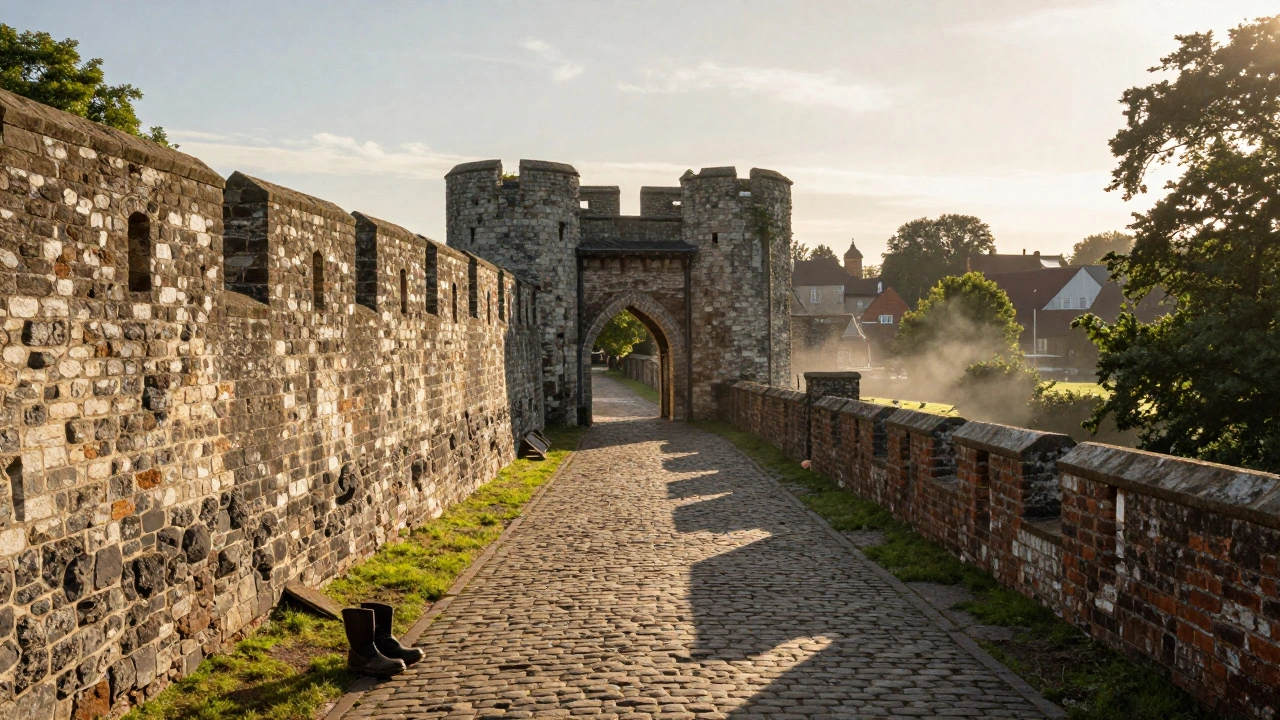
What Is the Oldest City in England? The Truth Behind the Claims
Colchester, Canterbury, Ipswich, and Abingdon all claim to be England's oldest city. The answer depends on whether you're measuring Roman foundation, cathedral status, continuous English settlement, or unbroken human habitation.