Daily Telegraph
When you pick up the Daily Telegraph, a major British daily newspaper founded in 1855, known for its conservative editorial stance and broadsheet format. Also known as The Telegraph, it’s one of the oldest and most widely read papers in the UK, with a digital presence that rivals its print circulation. Unlike many modern outlets, it hasn’t abandoned print—it still delivers physical copies to homes across the country, especially in the south of England and among older, more affluent readers.
The Daily Telegraph, a right-leaning newspaper with strong ties to the Conservative Party and traditional British values has shaped debates on immigration, defense, and taxation for generations. Its editorials often support lower taxes, stronger border controls, and skepticism toward the European Union. This isn’t just opinion—it’s reflected in how stories are framed, which experts get quoted, and which voices are left out. Compare it to The Guardian, a left-leaning paper known for progressive views and reader-funded journalism, and you’ll see two very different versions of Britain being presented to the public. One focuses on economic freedom and national sovereignty; the other on social justice and environmental urgency.
It’s not just politics. The Daily Telegraph, a major player in UK print media with a long history of investigative reporting and cultural coverage also runs deep features on arts, sport, and business. Its Saturday edition is packed with lifestyle content, from wine reviews to property guides. But its real power lies in influence. Politicians read it. Civil servants cite it. Business leaders watch its editorials for signals on where the government might head next. Even its crossword is a cultural touchstone.
Don’t assume it’s just for older readers. Its website draws millions monthly, especially during breaking news like defense spending cuts, NHS delays, or transport strikes. It’s the paper many people turn to when they want a clear, no-nonsense take—whether you agree with it or not. And while digital subscriptions are growing, its brand still carries weight in rooms where decisions get made.
Below, you’ll find posts that dig into how the Daily Telegraph fits into today’s media landscape—its history, its bias, how it compares to rivals like the BBC or The Guardian, and why it still matters even as print fades. Some explain its political leanings. Others show how it’s changed over time. All of them help you read it smarter.
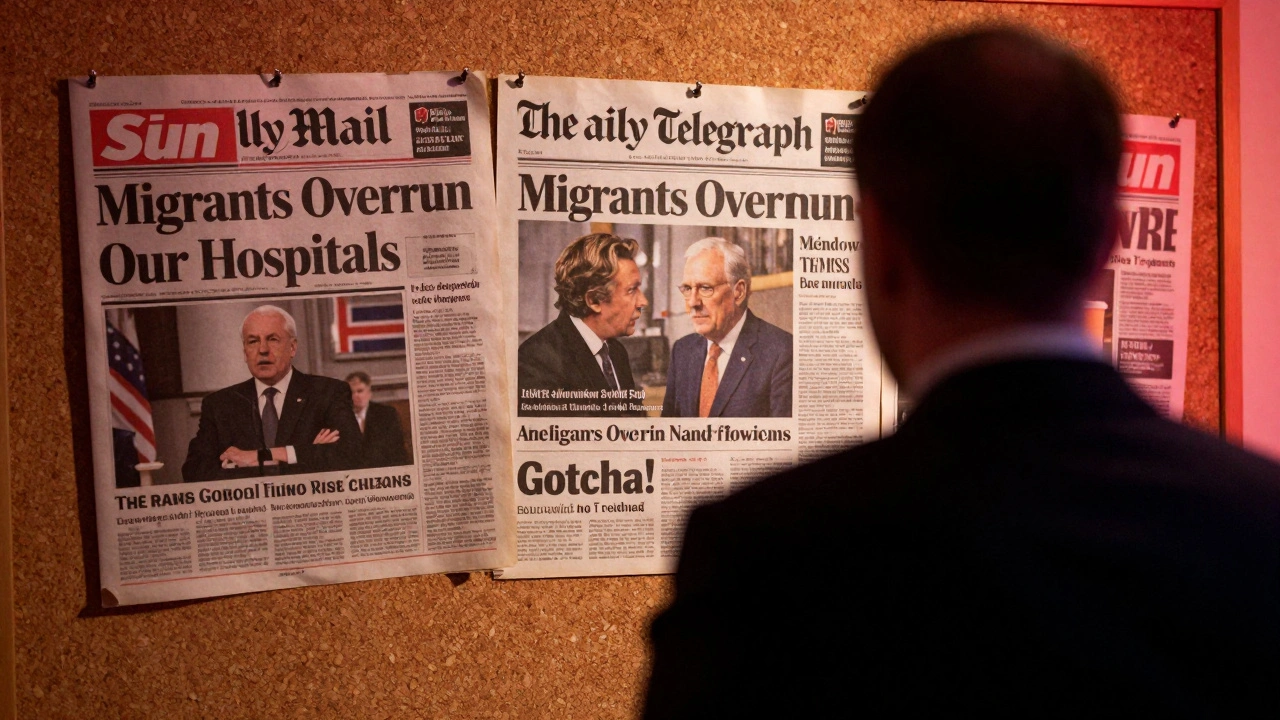
Which UK newspapers are right-wing? A 2025 guide to political alignment in British press
In 2025, the UK's right-wing newspapers include the Daily Mail, Daily Telegraph, The Sun, The Times, and the Evening Standard. These papers shape political discourse through ownership, editorial bias, and digital reach. Here's how they compare and why it matters.