Ipswich: News, History, and What’s Happening in Suffolk’s Largest Town
When you think of Ipswich, a historic port town in Suffolk, England, with a population of around 140,000 and deep ties to trade, shipbuilding, and the River Orwell. Also known as Ipswich Town, it’s not just a dot on the map—it’s the economic and cultural heart of East Anglia. You might picture its cobbled waterfront, the old docks now turned into cafes and apartments, or maybe the football club that’s been in the Championship for years. But Ipswich isn’t frozen in the past. It’s changing—new housing developments are rising near the railway station, the local council is pushing for greener transport, and small businesses are booming in the Buttermarket area.
What happens in Ipswich doesn’t stay in Ipswich. It’s connected to bigger UK stories. When the Suffolk, a county in eastern England with a mix of rural villages and growing urban centers, centered around Ipswich as its administrative capital council debates funding for public transport, it echoes national debates about infrastructure. When the East Anglia, a region of eastern England including Norfolk, Suffolk, Cambridgeshire, and Essex, known for its flat landscapes, agricultural output, and coastal communities economy shifts due to supply chain changes, Ipswich feels it first—the port handles thousands of containers every week, and delays ripple through local warehouses and factories. Even when national news talks about housing shortages or NHS wait times, Ipswich residents are living those realities in their clinics, schools, and rental listings.
What you’ll find here isn’t just headlines about the town. It’s the full picture: how local politics shapes your commute, why the football team matters more than just points on a table, what’s really happening with the waterfront redevelopment, and how life in Ipswich compares to nearby towns like Colchester or Bury St Edmunds. You’ll read about the people running the shops, the council decisions that affect your bin collection, and the quiet changes—like new bike lanes or a reopened library—that most national outlets miss. This isn’t a tourist brochure. It’s what happens when a town with history tries to keep up with the 2020s.
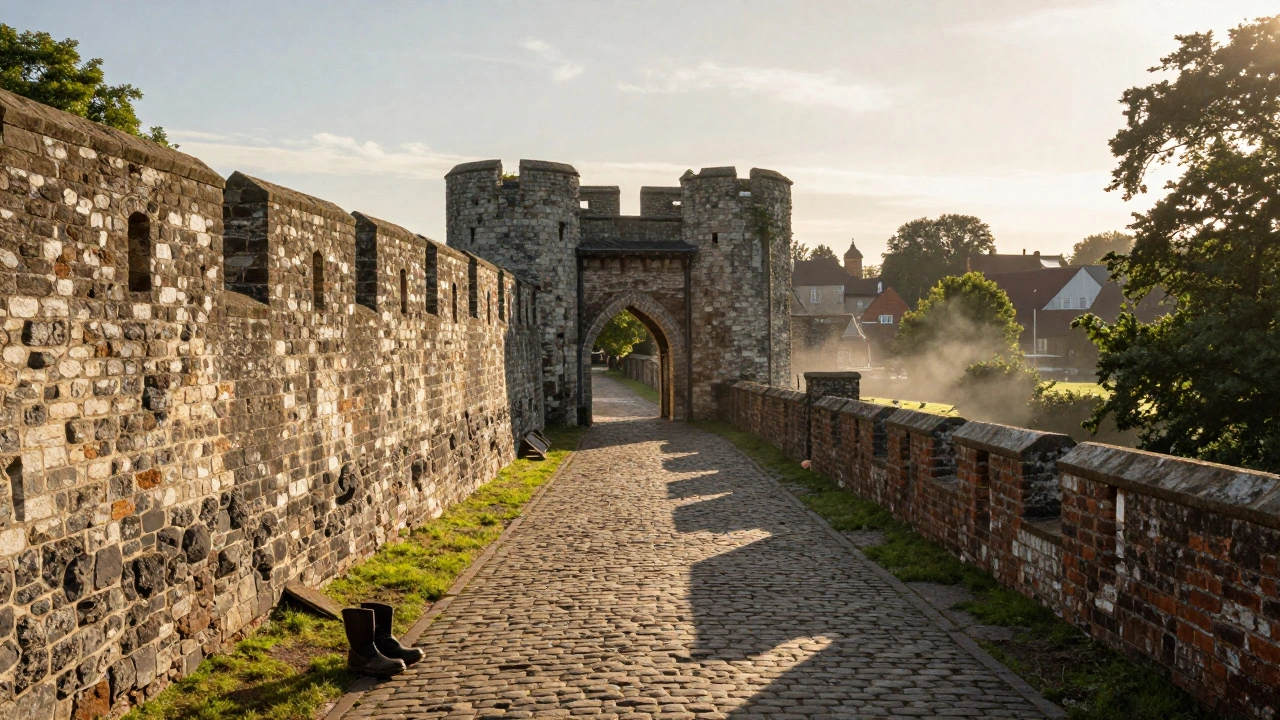
What Is the Oldest City in England? The Truth Behind the Claims
Colchester, Canterbury, Ipswich, and Abingdon all claim to be England's oldest city. The answer depends on whether you're measuring Roman foundation, cathedral status, continuous English settlement, or unbroken human habitation.