The Times: UK News, Bias, and What Makes It Different
When you think of The Times, a historic British daily newspaper founded in 1785 and known for its authoritative reporting and conservative editorial stance. Also known as The London Times, it’s one of the oldest and most trusted news sources in the UK, shaping public opinion for over two centuries. Unlike many modern outlets, The Times doesn’t chase clicks—it builds credibility. Its reporting on politics, business, and global affairs carries weight because it’s backed by a long tradition of fact-checking, insider access, and a readership that expects depth over drama.
It’s not just a newspaper—it’s part of the UK’s media infrastructure. Alongside The Guardian, a left-leaning, reader-funded paper known for its progressive editorials and investigative journalism, and The Financial Times, a globally respected paper focused on economics and markets, with a centrist, business-oriented perspective, The Times forms the core of Britain’s national press. But where The Guardian leans left and the FT stays neutral on ideology, The Times has consistently supported center-right policies, endorsed Conservative leaders, and framed stories through a lens of institutional stability. That doesn’t mean it’s biased in the way tabloids are—it’s just clear about its values. You’ll find its editorials defending free markets, questioning rapid social change, and pushing for fiscal responsibility. And while its digital subscription model has kept it financially strong, its print edition still holds sway among older, affluent readers and policymakers.
What makes The Times different today isn’t just its history—it’s how it’s held onto relevance. While local papers vanish and social media floods feeds with noise, The Times invests in long-form journalism, exclusive interviews, and data-driven investigations. It’s the paper you turn to when you need to understand why a policy shift matters, not just what it says. You’ll find its reporters in Westminster, in boardrooms, and in conflict zones—not because they’re chasing headlines, but because they’re expected to deliver context. And that’s why, even in 2025, when print is fading and trust in media is shaky, The Times still commands respect.
Below, you’ll find a collection of posts that dig into how The Times fits into the wider UK media landscape—how it compares to rivals, how its bias shapes coverage, and why it still matters when other outlets are struggling to survive. Whether you’re a longtime reader or just curious about British journalism, these articles give you the real picture—not the soundbites.
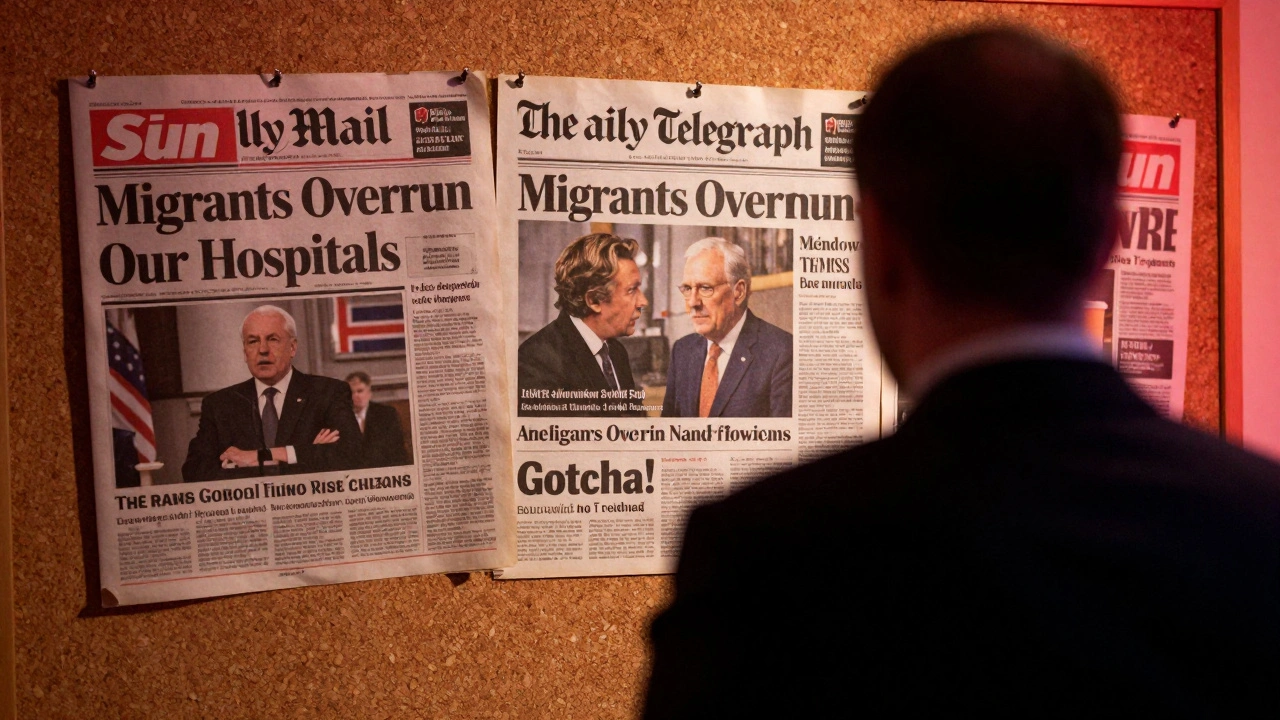
Which UK newspapers are right-wing? A 2025 guide to political alignment in British press
In 2025, the UK's right-wing newspapers include the Daily Mail, Daily Telegraph, The Sun, The Times, and the Evening Standard. These papers shape political discourse through ownership, editorial bias, and digital reach. Here's how they compare and why it matters.