TikTok news: How Social Media Is Changing How We Get the News
When you open TikTok news, a fast-moving stream of short videos delivering real-time updates, celebrity gossip, political moments, and local events. Also known as social media news, it’s no longer just memes and dance challenges—it’s becoming the first place millions, especially under 35, go to find out what’s happening. Unlike traditional news sites that take hours to publish, TikTok delivers breaking moments in seconds—police sirens in Camden, a protest outside City Hall, or a minister’s awkward gaffe caught on phone cam. The algorithm doesn’t care about bylines; it cares about engagement. If a clip gets shares, likes, and comments, it spreads—fast.
This shift isn’t just about speed. It’s about trust. People are turning away from big news outlets they see as slow, biased, or out of touch. Instead, they follow local reporters, student journalists, and even ordinary people with phones who capture things the BBC or The Guardian might miss. A student in Peckham filming a delayed Tube line? That’s now a top trending clip. A nurse in Lewisham explaining NHS cuts in under 60 seconds? That’s more widely seen than a 10-minute TV report. TikTok news doesn’t replace traditional journalism—it forces it to adapt. Outlets like the BBC and The Guardian now have teams dedicated to TikTok, repackaging stories into vertical videos, using captions, and even hiring Gen Z creators to bridge the gap.
But there’s a catch. Misinformation travels faster than facts on TikTok. A video claiming a new law bans dogs in parks? It might be edited, out of context, or completely fake—but it’s already been shared 500,000 times. That’s why fact-checkers from Reuters and BBC Verify are now scrambling to respond in the same format: quick, clear, visual rebuttals. The real challenge isn’t just finding news on TikTok—it’s knowing what’s real. The platform doesn’t label sources. It doesn’t show who posted it or why. You have to ask: Who’s behind this? What’s missing? Is this a clip from yesterday—or last year?
What you’ll find below isn’t a list of viral clips. It’s a curated collection of deep dives into how news works today. From how UK newspapers are fighting back with TikTok teams, to why the Guardian’s audience is shifting to short-form video, to how algorithms decide what’s ‘breaking’—these stories show the real mechanics behind the noise. You’ll learn who’s winning this new game, who’s getting left behind, and how to tell truth from trickery in a world where the news lasts 15 seconds.
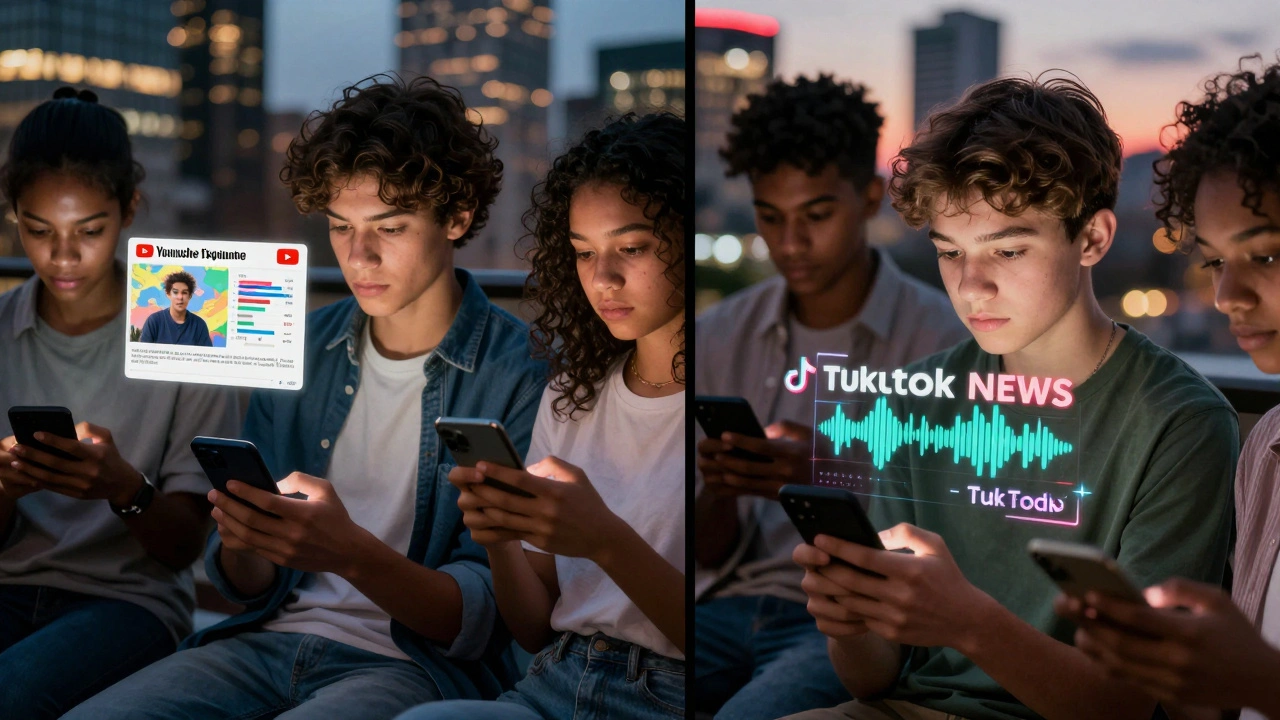
What Social Media Has the Most News? 2025 Breakdown
In 2025, social media is the top source of news for most Americans. YouTube leads in reach, TikTok grows fastest, and Facebook still has the most users-but trust is falling. Learn which platforms deliver real news and how to avoid misinformation.