UK media bias: Who's really influencing what you read?
When you open a newspaper or scroll through news online, you’re not just getting facts—you’re getting a UK media bias, the tendency of news outlets to favor certain political views, framing, or sources over others. Also known as media slant, it’s not always obvious, but it’s always there. The Guardian, for example, openly supports the Labour Party through its editorials and story framing. That doesn’t mean it’s fake news—it means its lens is progressive. Meanwhile, the BBC, funded by your TV license fee, is legally required to be impartial. But in practice, critics on both sides say it still leans one way or another, especially on hot-button issues like immigration or Brexit.
Then there’s CNN. Even though it’s American, millions in the UK rely on it for global updates. Data shows CNN leans left, with Democratic voices appearing far more often than Republican ones. If you only watch CNN, you’re getting a version of the world that matches a specific worldview. And that’s the problem with media bias: it doesn’t just report the news—it shapes what you think the news means. The same goes for smaller outlets. Some push conspiracy theories. Others bury inconvenient facts under fluffy celebrity stories. The real question isn’t whether bias exists—it’s whether you know which outlets have which bias, and why it matters when you’re trying to understand politics, the economy, or even the weather.
What you’ll find in this collection
You’ll see how The Guardian’s unique trust ownership keeps it free from corporate pressure. You’ll learn why the BBC is changing its U.S. paywall strategy—and what that says about its global role. You’ll get the truth about CNN’s reliability, and why some experts say you should never trust it alone. You’ll also see how print media in the UK isn’t dead, just quieter, and how TikTok is now the news source for nearly one in five American adults under 30. These aren’t random stories. They’re pieces of the same puzzle: who controls the narrative, how they do it, and how you can spot the difference between reporting and agenda.
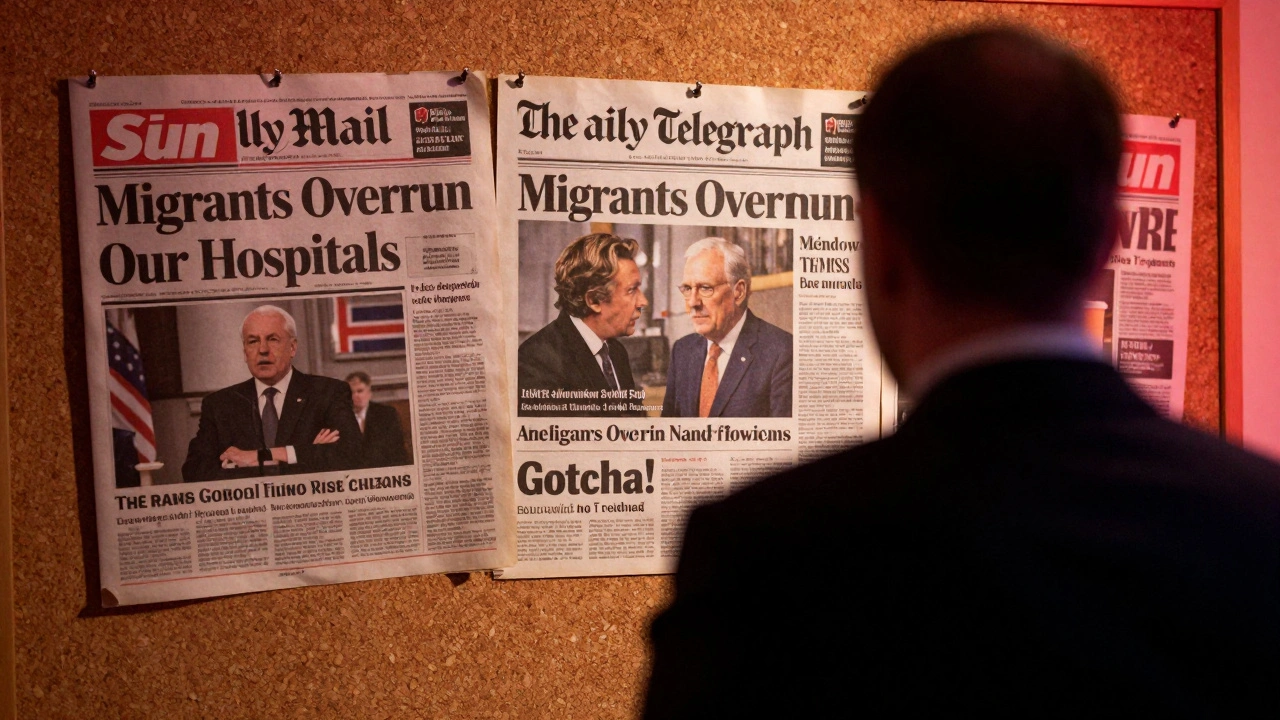
Which UK newspapers are right-wing? A 2025 guide to political alignment in British press
In 2025, the UK's right-wing newspapers include the Daily Mail, Daily Telegraph, The Sun, The Times, and the Evening Standard. These papers shape political discourse through ownership, editorial bias, and digital reach. Here's how they compare and why it matters.

Is the Financial Times left-wing? The truth about its political stance
The Financial Times isn't left-wing - it's economically liberal. It supports policies based on market logic, not party lines. Its endorsements of both Labour and Conservatives prove its focus is on fiscal responsibility, not ideology.