USA conservatism: What it is, who supports it, and how it shapes American politics
When people talk about USA conservatism, a political ideology centered on limited government, traditional values, free markets, and strong national defense. Also known as American conservatism, it’s the backbone of the modern Republican Party, the dominant right-wing political party in the United States. In 2024, 77% of Republicans identified as conservative, making this not just a faction—but the core identity of the party. This isn’t about vague ideals. It’s about tax cuts, gun rights, opposition to abortion, and skepticism toward big government programs—all backed by data, not just opinion.
US media bias, the tendency of news outlets to favor certain political perspectives in reporting plays a huge role in how USA conservatism is seen. Outlets like USA Today avoid endorsements but still shape perception through framing, while CNN’s left-leaning slant creates a sharp contrast that conservatives often reject. Meanwhile, the Republican Party, the dominant right-wing political party in the United States doesn’t just react to media—it fuels it. Think of how headlines about Trump’s pardons, border policies, or AI campaign images get amplified in conservative circles, often bypassing traditional fact-checking. This feedback loop isn’t accidental. It’s how modern political identity is built: through trusted sources, repeated messaging, and emotional resonance.
Conservative values aren’t static. They’ve shifted over decades—from fiscal responsibility in the 1980s to cultural battles today. What’s unchanged is the core belief: that individual freedom matters more than collective solutions. That’s why issues like school choice, deregulation, and border security aren’t just policies—they’re moral positions for millions. And as TikTok becomes a news source for 20% of U.S. adults, especially under-30s, how conservatism spreads is changing too. Short videos, not editorials, now define the narrative for younger voters.
What you’ll find below isn’t a list of opinions. It’s a collection of facts, data, and reporting that show how USA conservatism connects to real events: who’s winning the media war, how policy gets shaped, and why trust in institutions is falling. You’ll see how the Republican Party’s stance lines up with voter behavior, how media outlets like The Guardian and Financial Times are viewed across the political spectrum, and what’s really driving the divide—not just in Washington, but in kitchens, schools, and workplaces across the country.
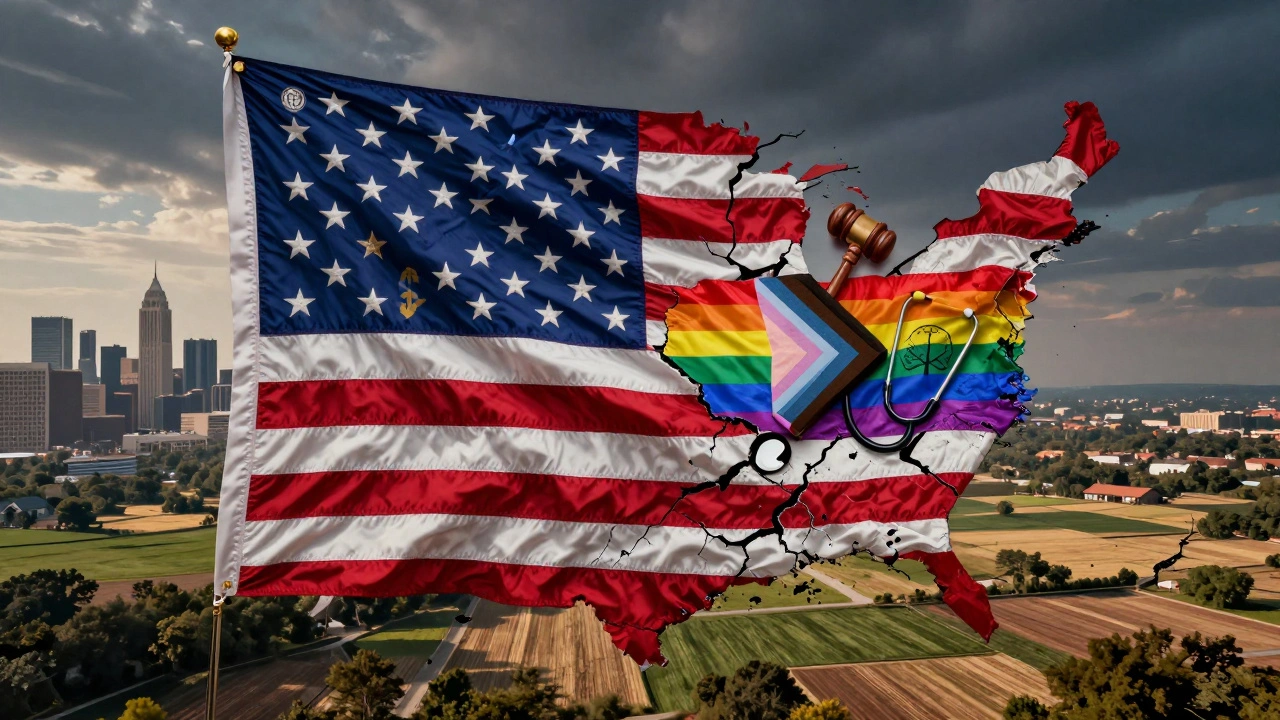
Is the USA Today Conservative? The Real Picture Beyond the Headlines
The U.S. isn't uniformly conservative, but conservative ideas are more organized and aggressive than ever. With Project 2025 shaping GOP policy and state-level battles over abortion and education, the country is deeply divided - not unified under one ideology.