
UK Latest News: Immigration Overhaul, Deportations, and Economic Fallout in December 2025
UK Immigration Points Calculator
Calculate Your Points
Input your details to see if you qualify under the new system
Results
Enter your details to see eligibility
The UK latest news in December 2025 is dominated by one thing: immigration. Not the usual debate, not the same old headlines. This is a full-scale rewrite of how the country lets people in-and who gets to stay. The Border Security, Asylum and Immigration Act 2025 became law on December 2, and since then, everything has shifted. From small businesses scrambling to hire, to students wondering if they’ll ever get a visa, to families fearing deportation, the impact is real, immediate, and deeply personal.
What Changed on December 16?
The biggest punch came on December 16. The Immigration Skills Charge jumped 50%. Large companies now pay £1,500 per foreign worker instead of £1,000. Small businesses and charities? They’re up from £364 to £546. That’s not a tweak. It’s a wall. The government says it’s to fund skills training for locals. But for many employers, it’s a dealbreaker. A bakery in Bristol that relied on two pastry chefs from Poland just canceled their hires. A tech startup in Manchester lost two software engineers who walked away when they saw the new costs. The Home Office says this will cut net migration by 35%. But behind that number are real people and real businesses.The New Points System: Merit Over Need
Forget the old five-year path to settlement. That’s gone. Now, you need 70 points. Language skills? 20. Salary? You need £38,700-up from £33,000. Community service? 15 points. That’s right. You have to volunteer. The government calls it a fairer system. Critics call it a filter for the wealthy. Nurses, care workers, electricians-people who keep the country running-don’t earn £38,700. They’re being pushed out. The Migration Advisory Committee warned this will hurt essential sectors hardest. NHS England predicts 12,000 more staff shortages by next summer. Hospitals are already short. This will make it worse.Deportations Are Back-And Faster
The ‘one in, one out’ policy is active again. In just six weeks before December 13, 150 people were deported. Mainly to Albania, Vietnam, and Iraq. These aren’t criminals. Many are people who’ve lived here for years, worked, paid taxes, raised kids. They just never got the right paperwork. New readmission deals made this possible. The Home Office says it’s about fairness. Families say it’s cruelty. Protests grew. On December 13, 1,200 people gathered outside Home Secretary Shabbana Mammud’s office in Birmingham. They held signs that read, “No One Is Illegal.” Meanwhile, the ‘Fix Britain’ group held their own rally in Lincoln with 850 people. Their message? “We need to protect our schools and hospitals from being overwhelmed.” The country is splitting down the middle.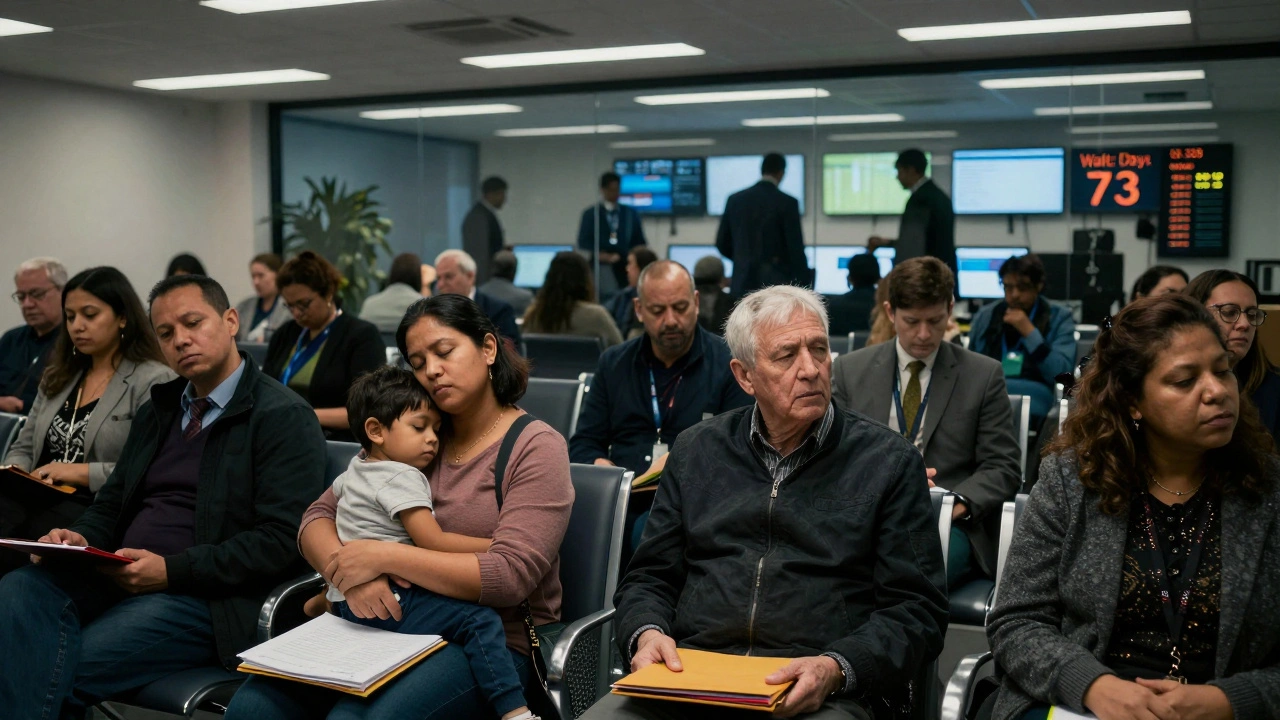
Technology and Healthcare: Winners and Losers
Not everyone is losing. The tech sector got a lifeline. Global Talent visas now cover 17 new AI and quantum computing roles. Companies like DeepMind and Oxford Quantum are racing to hire. They can still bring in talent-because they can afford the £1,500 fee and the £38,700 salary. But for everyone else? It’s getting harder. The NHS, which hired 28% of its new staff from overseas last year, is in crisis. A nurse from the Philippines who’s been working in Manchester for seven years just got told her visa renewal is under review. She’s terrified. Her children go to local schools. Her husband works as a van driver. They’re not rich. They’re not criminals. They’re just trying to live.Businesses Are Stuck
Small business owners are drowning. The Federation of Small Businesses surveyed 450 members. Sixty-two percent said they’ve paused hiring. Why? Uncertainty. The system is broken. On December 10, the Home Office’s online sponsorship portal crashed for 47 minutes. Over 8,000 employers tried to file before the deadline. 1,240 small businesses missed it. Now they’re stuck. One café owner in Leeds told the BBC: “I waited three weeks for a sponsorship certificate. Now I’m told I need to prove my staff’s community service hours. What am I supposed to do? Hire a lawyer?” Legal fees have jumped from £285 to £410 an hour. Employers now spend nearly 19 hours per application. That’s almost a full workday. For a one-person shop? Impossible.Students Are Getting Pushed Out
International students were once the UK’s cash cow-£41.9 billion in 2024. Now, the government expects a 17% drop. Russell Group universities, which get nearly 30% of their income from overseas students, are panicking. Cambridge, Oxford, UCL-they’re all preparing budget cuts. One student from Nigeria who got into Imperial College London just got her visa denied. The reason? She didn’t meet the new salary threshold. She’s studying engineering. She plans to work in the UK after graduation. But now, she can’t even get in. The government says it’s about reducing migration. But it’s also hurting the economy. Universities are the engine. If they collapse, so do research labs, startups, and innovation.
The Backlog Is Crushing Everyone
The ‘Accelerate Settlement’ portal opened on December 5. It’s supposed to help people who applied under the old rules. So far, 87,400 people have applied. But the system only processes 1,200 cases a day. That’s a backlog of 73 days. People are waiting months for answers. One man from Ghana, who’s been working as a cleaner in Glasgow for 12 years, submitted his application in October. He hasn’t heard anything. His wife is due to give birth next month. He can’t get a new passport. He’s stuck in legal limbo. The Home Office says they’re hiring more staff. But with 200% more people seeking legal help, lawyers are overwhelmed. The Law Society says it’s the worst crisis they’ve seen since 2016.What’s Next?
By March 2026, biometric screening will be live at all major ports. New facial recognition units are being installed at Dover, Calais, and Eurotunnel. £87 million spent. The European Court of Human Rights will hear a case in January about the UK’s Rwanda deportation plan. If they rule against it, up to 3,200 cases could be thrown out. Meanwhile, the government has 1,200 extra asylum staff on standby and temporary housing ready at former RAF bases. They’re preparing for a surge in Channel crossings. December 13 saw 1,274 people cross in one day-the most in a month. The government says it’s cracking down. But the numbers show the problem isn’t going away. It’s just getting more expensive, more complex, and more cruel.The Bigger Picture
The UK’s net migration rate is now 0.3 per 1,000 people. That’s lower than France and Germany. But the cost? The Centre for Economic Performance estimates £14.7 billion lost in GDP every year. That’s billions in lost growth. Millions in lost tax revenue. Hundreds of thousands of unfilled jobs. The Office for National Statistics says the UK will need 1.2 million more workers by 2027. Most of them will be in care, construction, and health. The new policy doesn’t solve that. It makes it worse. And while politicians argue about fairness, real people are paying the price. Parents are separated. Workers are fired. Students are sent home. Businesses are closing. The UK isn’t just changing its immigration rules. It’s changing its soul.What is the new UK immigration policy as of December 2025?
As of December 2025, the UK’s immigration policy is governed by the Border Security, Asylum and Immigration Act 2025. Key changes include a 50% increase in the Immigration Skills Charge (to £1,500 for large sponsors), a new 70-point merit-based settlement system requiring a £38,700 salary threshold and mandatory community service, the abolition of the 10-year long residence route, and the reinstatement of the ‘one in, one out’ deportation policy. These changes aim to reduce net migration but have triggered widespread criticism for harming essential workers and small businesses.
How has the new policy affected small businesses in the UK?
Small businesses are being hit hard. The increased Immigration Skills Charge and complex new compliance rules have made hiring foreign workers prohibitively expensive and time-consuming. A Federation of Small Businesses survey found 62% of members have paused hiring. Many report spending nearly 19 hours per visa application. Technical failures, like the December 10 system outage, caused some to miss deadlines. Legal fees have jumped 44%, and many businesses lack staff trained to handle the new requirements. The result? Staff shortages, delayed projects, and in some cases, closures.
Are international students still welcome in the UK?
Officially, yes-but the reality is harsher. While Global Talent visas now cover AI and quantum computing roles, most international students face higher barriers. The new salary threshold doesn’t apply to students, but the government expects a 17% drop in applications. Universities that rely on overseas fees-especially Russell Group institutions-are facing financial risk. Many students are being denied visas due to stricter financial checks and concerns over post-study work intentions. The Home Office’s own impact assessment warns of serious damage to university finances.
Why are deportations increasing in the UK right now?
Deportations are increasing because the government has reinstated the ‘one in, one out’ policy and signed new readmission agreements with Albania, Vietnam, and Iraq. These deals allow the UK to return people without legal status more quickly. In the six weeks before December 13, 150 people were deported. Many are long-term residents who never completed formal paperwork. The Home Office says this is about enforcing the law. Critics argue it’s targeting vulnerable people and breaking up families. Protests have grown, and legal challenges are mounting.
What’s the economic impact of the UK’s new immigration rules?
The economic cost is significant. The Centre for Economic Performance estimates the policy will reduce UK GDP by £14.7 billion annually. The NHS could face 12,000 more staff shortages by mid-2026. The construction and social care sectors are also at risk. While the government expects £420 million in new revenue from the Immigration Skills Charge, that’s far less than the lost productivity, business closures, and university funding gaps. Experts warn the policy sacrifices long-term growth for short-term political gain.

About Author
