
What Was the Most Important Day in Human History?
People often ask, what was the most important day in human history? It sounds like a question for a history book, but the answer isn’t in a textbook-it’s in the ripple effects of one moment that changed everything for everyone alive today. There’s no single day that every expert agrees on, but one event stands out not because it was loud or dramatic, but because it quietly rewired how humans live, think, and survive.
The Day Agriculture Changed Everything
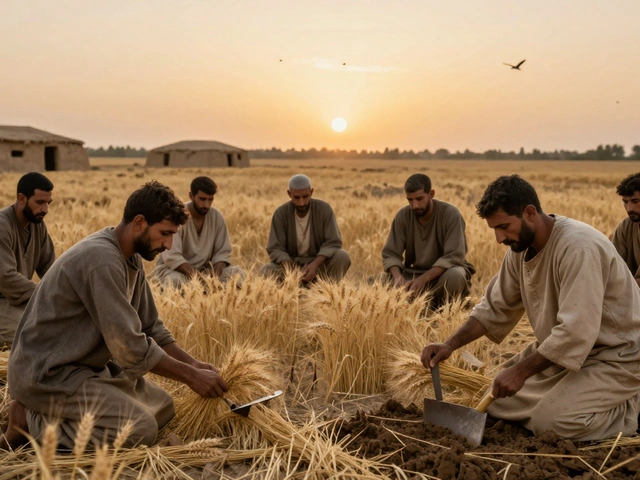
Around 9,500 BCE, in the Fertile Crescent-what’s now southern Turkey, northern Syria, and western Iraq-a small group of hunter-gatherers began planting wild wheat and barley. They didn’t know it then, but they were starting the most consequential shift in human history: the move from nomadic life to farming.
Before that day, humans lived in small bands of 20 to 50 people. They moved with the seasons, hunted animals, gathered nuts and berries. Life was unpredictable. A bad storm or a failed hunt could mean starvation. But once people started growing their own food, everything changed. Food became reliable. Populations grew. Villages formed. Then towns. Then cities.
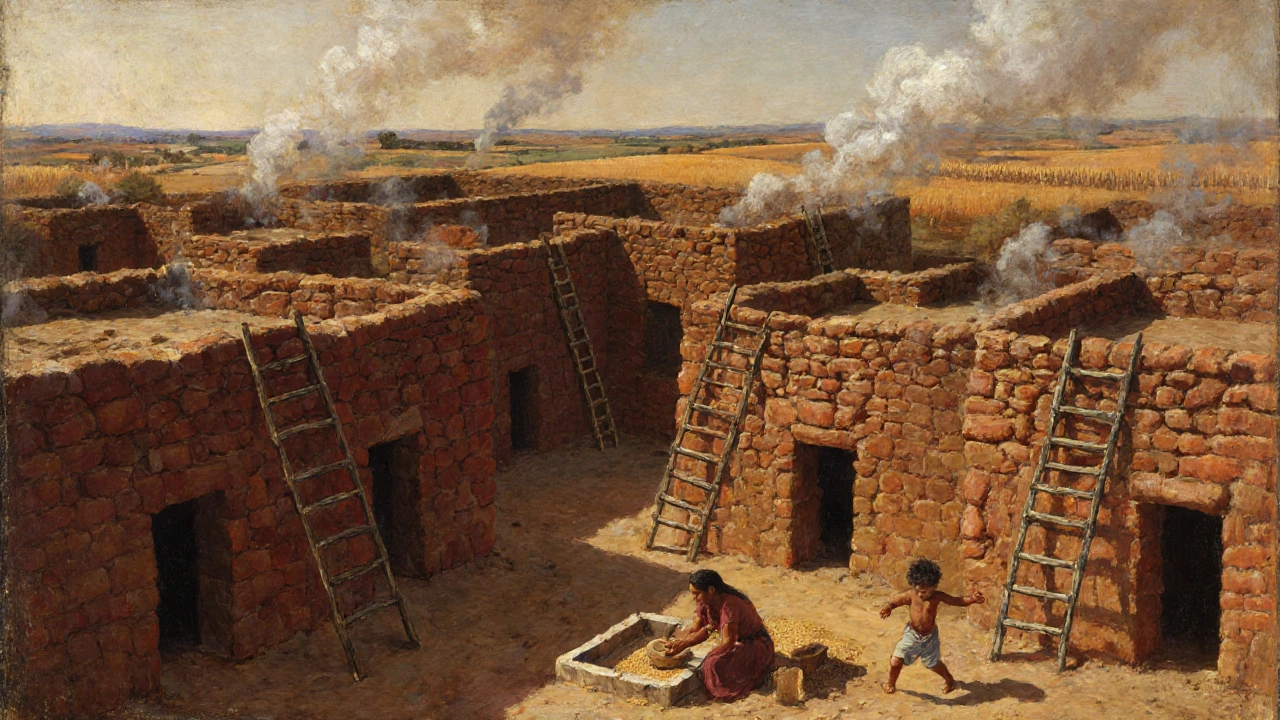
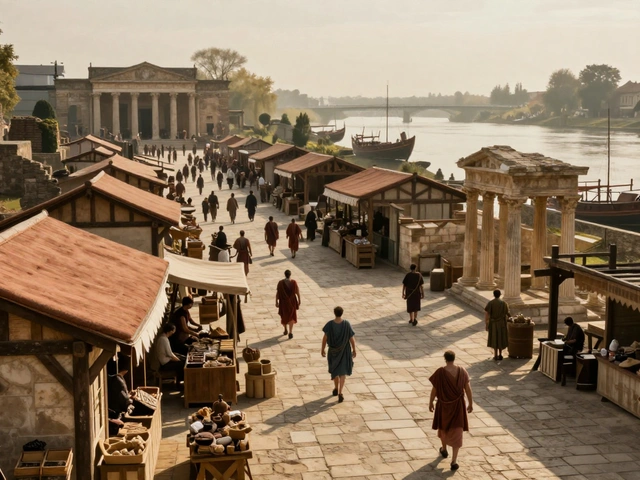
By 6,000 BCE, settlements like Çatalhöyük in modern-day Turkey had over 5,000 people living in dense, permanent homes. For the first time, not everyone had to farm. Some became potters, weavers, traders, priests, or rulers. Specialization was born. Writing followed-because someone had to track grain stores, taxes, and land claims. The first laws, the first religions, the first social classes-all came from this one shift.
Why This Day Beats Others
Some argue it was the invention of the wheel. Others say it was the printing press, the discovery of electricity, or the moon landing. But none of those would have happened without agriculture.
The wheel needed roads and cities. The printing press needed paper, ink, and literate people. Electricity required factories and engineers. All of those depended on surplus food. Without farming, you don’t have enough people living in one place to build complex societies. You don’t have the time to invent things because you’re spending 12 hours a day just finding your next meal.
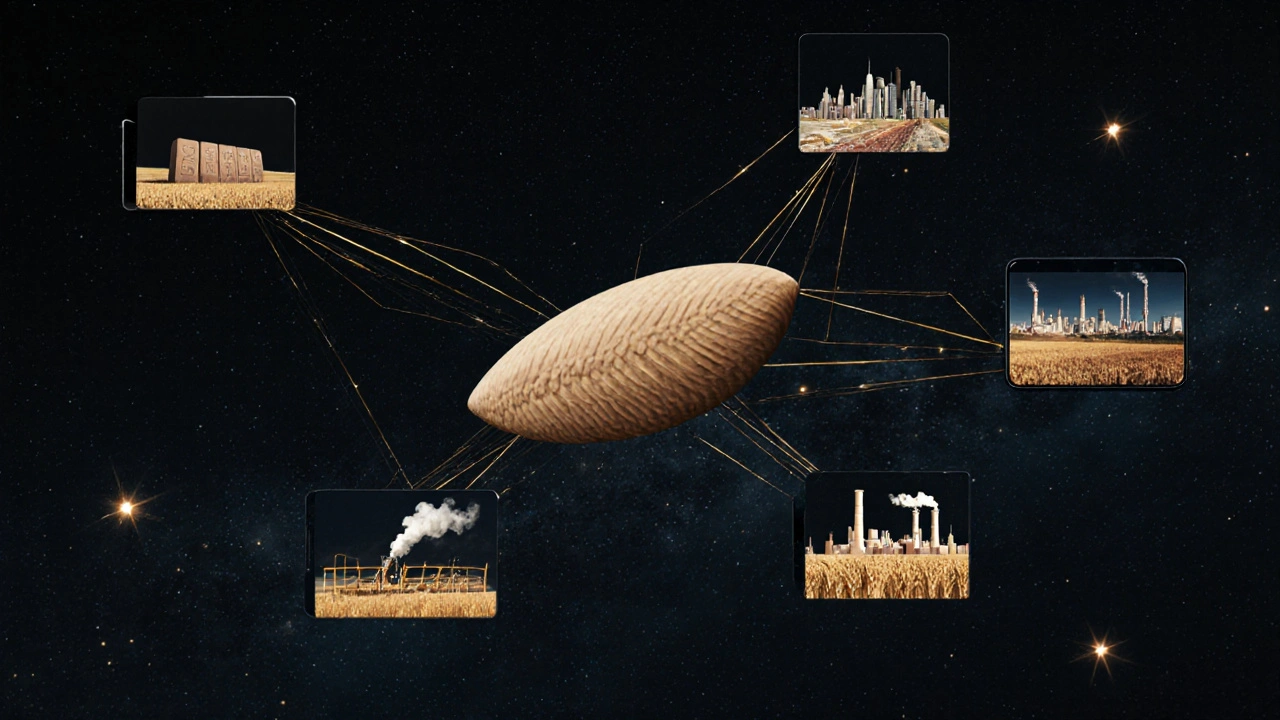
Even the Industrial Revolution and the Digital Age trace back to this moment. The factory system? It grew out of the same idea: organize labor, control output, maximize efficiency-just like a field of wheat. The internet? It runs on data centers that need constant power, which needs a stable economy, which needs surplus food production.
There’s no other day in history where a single change created so many dominoes falling in the same direction.
What Life Looked Like Before
Before agriculture, human life expectancy was around 30 years. Infant mortality was high. People rarely lived past 40. There were no hospitals, no antibiotics, no vaccines. Disease spread quickly in dense populations-but there were no dense populations. That’s why early farming communities faced a brutal trade-off: more food meant more people, and more people meant more disease.
Archaeologists found skeletons from early farming villages showing signs of malnutrition, spinal deformities from bending over fields all day, and higher rates of infectious disease compared to their hunter-gatherer ancestors. The first farmers didn’t live better lives-they just lived longer as a group. Their babies survived. Their numbers grew. And that’s how civilization won.
It wasn’t progress in the way we think of it today. It was survival by numbers.
The Hidden Cost
But agriculture didn’t just build civilization-it built inequality.
Hunter-gatherer societies were mostly egalitarian. Resources were shared. Leadership was temporary. But once land became valuable-once you could own a field, store grain, and pass it to your children-you also created wealth, debt, and power. The first rulers weren’t warriors or shamans. They were accountants. They were the ones who knew how much grain was stored, who owed what, and who got to eat next.
Slavery emerged because farming was hard labor. Someone had to work the fields. And if you could force someone else to do it, you didn’t have to. The first taxes were grain payments. The first armies were formed to protect stored food from raiders. War became institutionalized.
Modern capitalism, class systems, and even gender roles-many of them trace back to who controlled land and food. Women’s roles shifted from equal foragers to child-bearers and grain processors. Men became the ones who defended land and led raids. The structure of today’s society was baked into the soil of those first fields.
Why This Still Matters Today
Today, less than 2% of Americans work in farming. Most of us have never planted a seed. But we still live in a world built on agriculture. Our food system is global, industrial, and fragile. Over 70% of the world’s freshwater is used to grow crops. A single heatwave in Ukraine can send bread prices soaring in Egypt. A drought in Brazil can raise coffee prices in New York.
Climate change is testing the same system that began 11,500 years ago. We’re still dependent on a handful of crops-wheat, rice, corn, soy-that were domesticated back then. Our entire economy, our cities, our governments, our diets-they all rest on the same foundation.
When you buy a loaf of bread, you’re not just buying flour. You’re buying 11,500 years of human history.
What If It Never Happened?
Imagine a world where agriculture never took hold. Humans stayed hunter-gatherers. Populations stayed small. No cities. No writing. No empires. Maybe we’d live in harmony with nature. But we’d also have no medicine, no computers, no space travel. No libraries. No music recordings. No Netflix.
Or maybe we’d have found another path. Some anthropologists argue that complex societies could have emerged without farming-through fishing, shellfish harvesting, or wild grain management. But no such society ever scaled beyond a few thousand people. Agriculture was the only trigger that allowed human civilization to explode in size and complexity.
There’s no going back. And there’s no alternative we’ve found that works at scale.
The Day That Still Shapes Us
So what was the most important day in human history? It wasn’t the signing of a treaty. It wasn’t the launch of a rocket. It was the quiet moment when someone, somewhere, put a seed in the ground and waited.
That day didn’t come with fireworks. No one recorded it. No king declared it. But it changed everything. Every phone you use, every meal you eat, every law you follow, every city you walk through-it all started with that one act of patience.
We don’t celebrate it. We don’t have a holiday for it. But without it, none of us would be here.
Was there a single person who invented farming?
No. Farming didn’t start with one person. It emerged independently in at least seven places around the world-like the Fertile Crescent, China, Mesoamerica, and the Andes-over thousands of years. Each group domesticated local plants and animals based on what was available. It was a slow, collective process, not a single invention.
Why isn’t the invention of writing considered more important?
Writing was essential, but it only became possible because of farming. Writing was invented to track grain, livestock, and trade-things that only existed because people were producing surplus food. Without agriculture, there would have been no need for writing. Farming came first; writing was a tool that grew out of it.
Did all societies benefit equally from agriculture?
No. While agriculture allowed some groups to build large civilizations, others suffered. Early farmers often had worse health than hunter-gatherers-shorter stature, more disease, more malnutrition. The benefits of farming-population growth, surplus, specialization-came at a cost. Not everyone gained equally, and many were forced into labor or lower status.
Could we go back to a hunter-gatherer lifestyle today?
Not on a global scale. The Earth’s population is over 8 billion. Even if we stopped farming today, there isn’t enough wild food to feed everyone. The ecosystems that supported hunter-gatherers have been destroyed or altered beyond recovery. Returning to that way of life would mean mass starvation, not a return to harmony.
What’s the biggest threat to modern agriculture?
Climate change is the biggest threat. Rising temperatures, unpredictable rainfall, and extreme weather are damaging crop yields in major food-producing regions. At the same time, soil degradation, water shortages, and loss of pollinators are making farming harder. We’re still relying on the same crops from 11,500 years ago-wheat, rice, corn-while the climate they evolved in is disappearing.
About Author
