Who Is the Target Audience of USA Today in 2025?
USA Today Audience Targeting Calculator
This tool helps identify the most relevant USA Today audience segment for your marketing campaign based on industry, age group, and preferred platform. Use the inputs below to get personalized recommendations.
Recommended Audience Segment
Why this segment?
There’s no single answer to who the target audience of USA Today is-because there isn’t one. The idea that a national newspaper like USA Today speaks to one unified American audience is outdated. In 2025, the readership is split across generations, platforms, and values, each group consuming news in completely different ways. If you’re trying to reach people through USA Today, you need to know which version of America you’re talking to.
Gen Z Is the Fastest-Growing News Consumer Group
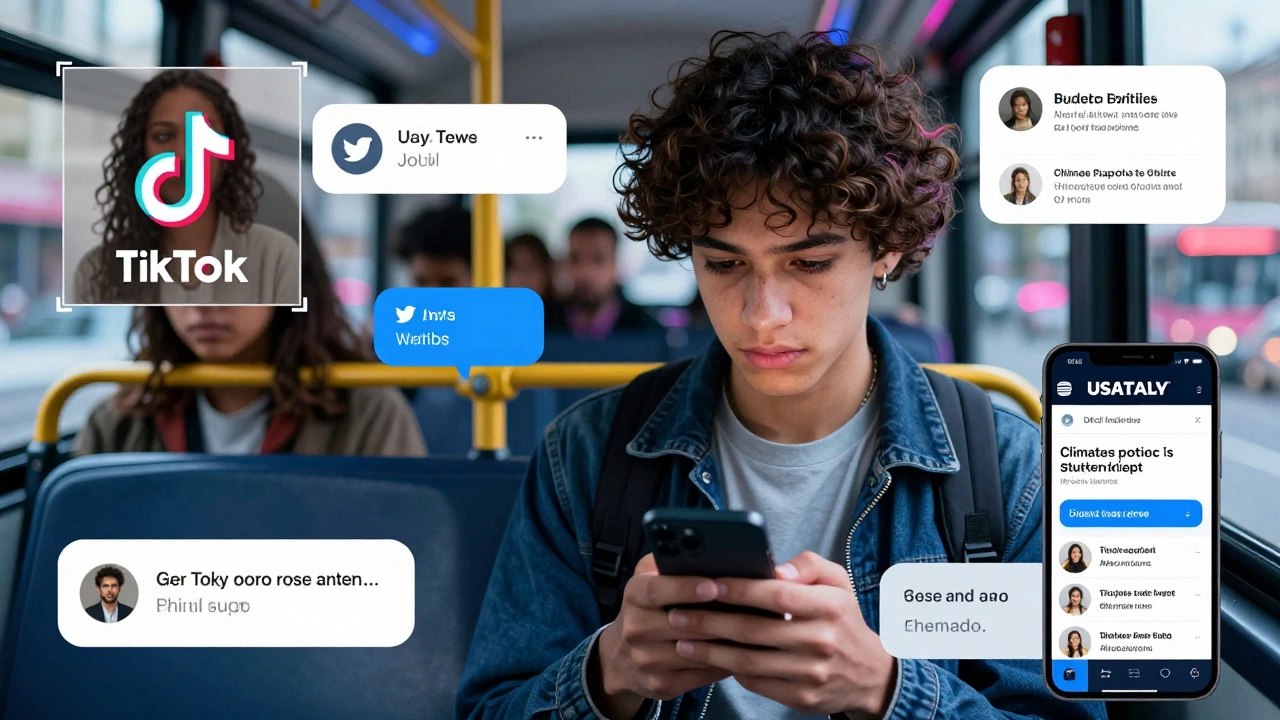
Generation Z, born between 1996 and 2010, is now the largest generation in the U.S. workforce and the most active on digital news platforms. They don’t pick up a printed paper. They scroll TikTok for breaking updates, check Twitter/X for real-time reactions, and open newsletters from independent journalists they trust. But here’s the catch: they’re skeptical. A 2025 eMarketer report found that 68% of Gen Zers question brand credibility before believing a headline-even if it comes from a legacy outlet like USA Today. They want transparency, context, and sources. If USA Today’s online content feels corporate or sanitized, they scroll past.
Still, they’re consuming news. About 54% of Americans aged 18-24 check news at least once a day, according to Deloitte’s 2025 Digital Media Trends survey. And while they prefer TikTok and Instagram Reels for quick updates, they’re more likely to click through to long-form articles on USA Today’s website if the headline is direct, the byline is clear, and the tone isn’t overly formal. USA Today’s mobile app has seen a 22% increase in Gen Z traffic since 2023, mostly driven by coverage of climate policy, student debt, and mental health.
Millennials Are the Core Daily Readers
Millennials (born 1983-1996) are the backbone of USA Today’s digital audience. They’re the group most likely to open the app every morning, check the homepage before work, and share articles on LinkedIn. They’re also the most financially active-holding 50% more household income at age 30 than baby boomers did at the same age, according to McKinsey’s 2025 consumer report.
They care about money, careers, and politics. Articles about inflation, remote work trends, and healthcare costs get the most engagement from this group. They’re not loyal to brands-they’re loyal to utility. If USA Today delivers clear, fast, fact-checked updates on tax changes or job market shifts, they’ll keep coming back. But if the tone feels condescending or the headlines are clickbait, they’ll switch to Bloomberg, The Information, or even Substack newsletters.
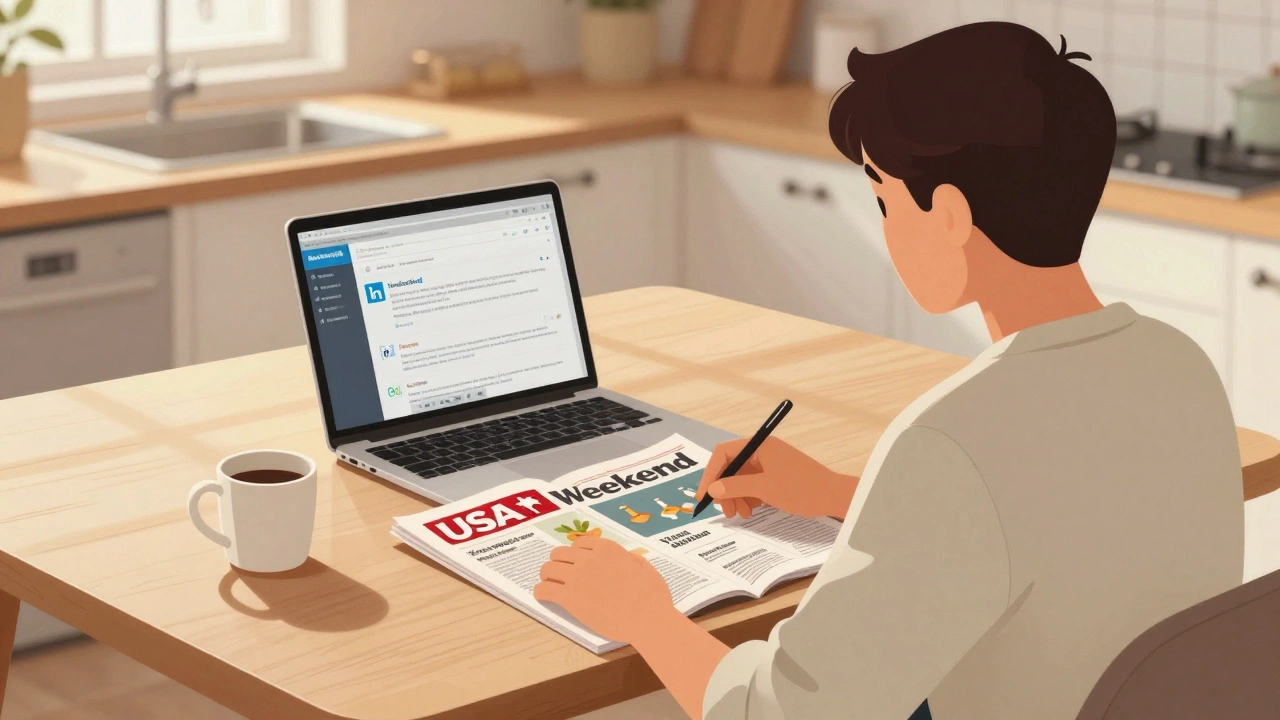
What’s surprising? Many millennials still read the print edition-especially on weekends. It’s not about nostalgia. It’s about distraction. After hours of screen time, they want something tactile. USA Today’s weekend edition, with its concise summaries and visual infographics, remains a quiet favorite.
Gen X and Boomers Still Read the Paper-But Less Often
Generation X (1966-1982) and baby boomers (1947-1965) are shrinking as a share of the population, but they still make up 37% of USA Today’s total readership. They’re the group most likely to read the paper in full, from front page to sports. They trust USA Today’s reputation. They rely on it for national news, obituaries, and weather.
But their habits are changing. Only 52% of people under 30 watch three or more hours of TV daily, while 66% of those over 50 still do, according to Quirks Media’s 2025 analysis. That means older readers are more likely to see USA Today’s TV-style video summaries on YouTube or Facebook. The paper’s Facebook page has 8.3 million followers-mostly aged 45+. It’s where they get headlines, not deep analysis.
Here’s the problem: USA Today’s older audience is aging out. The average reader over 55 spends less time reading each day. They’re cutting subscriptions. The paper’s print circulation has dropped 14% since 2022. To keep them, USA Today needs to offer simpler navigation, larger fonts, and fewer pop-ups-not more digital bells and whistles.
Who’s Not Reading USA Today Anymore?
There’s a growing group of Americans who don’t read USA Today at all-and they’re not hard to find. They’re the 246 million U.S. adults who use social media daily, according to Sprinklr’s 2025 data. Most of them are under 35. They get their news from TikTok creators, Reddit threads, and Discord servers. They don’t trust traditional outlets. They see USA Today as “mainstream media,” which, to them, means biased, slow, and out of touch.
Even when USA Today breaks a major story-like a Supreme Court ruling or a federal shutdown-these users often find out first from a viral tweet or a 60-second Reel. The paper’s digital reach is strong, but its influence is fading among younger audiences. Why? Because it doesn’t speak their language. Their news is conversational, visual, and often ironic. USA Today’s tone is still formal. Its headlines still say “Nation Reacts to New Policy.” They want “This Just Broke: Here’s What It Actually Means.”
Platforms Matter More Than the Brand
USA Today isn’t one thing. It’s many things, depending on where you find it.
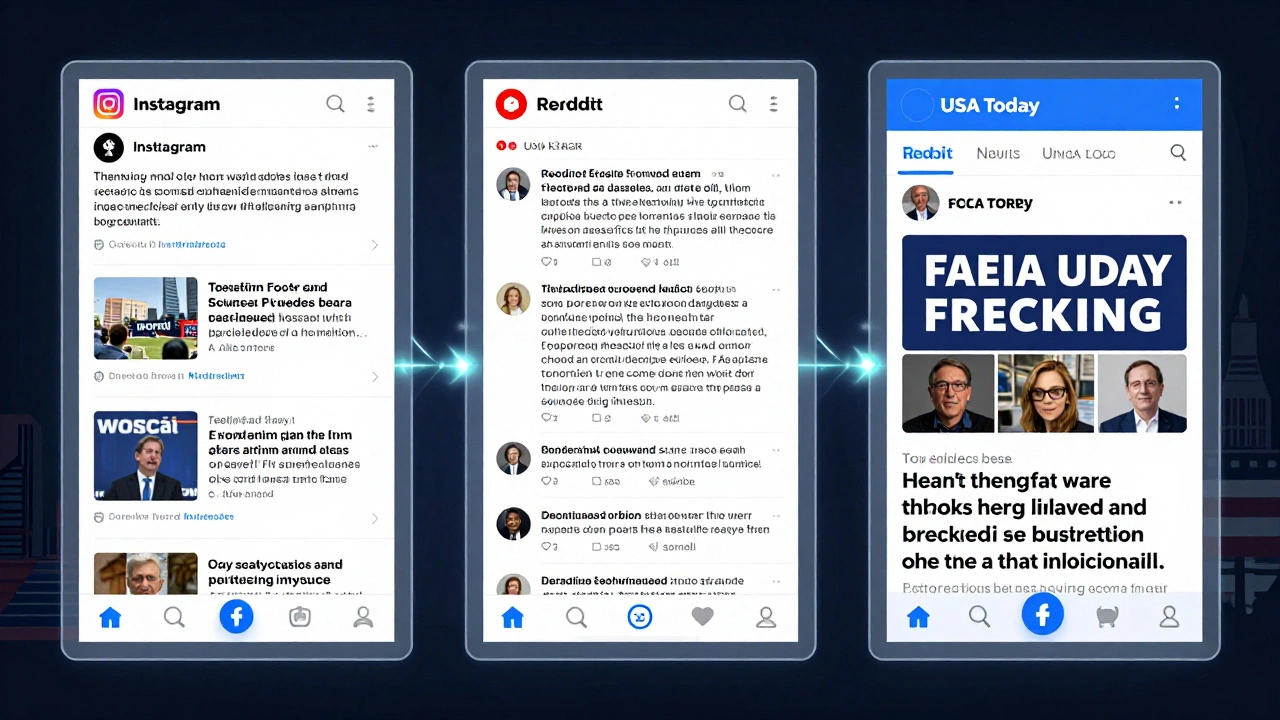
- On Instagram: It’s a visual news feed. Short clips, charts, and quotes. 61% of Instagram users say they use the platform to discover products-and the same applies to news. USA Today’s Instagram account posts daily explainer carousels on policy changes.
- On Reddit: It’s a source of raw data. Users copy-paste USA Today articles into threads about politics or economics. The article itself doesn’t drive engagement-it’s the discussion around it.
- On LinkedIn: It’s a professional briefing. Articles on the economy, labor trends, and corporate news get shared by managers and HR professionals.
- On Facebook: It’s a legacy brand. Older users click because they’ve always clicked. The algorithm favors emotional headlines: “You Won’t Believe What Happened Next.”
USA Today’s biggest strength? It’s adaptable. It doesn’t try to be everything to everyone. It tailors content per platform. But its biggest weakness? It still thinks of itself as a newspaper. In 2025, it’s a media network. And networks need different voices for different rooms.
The Real Target Audience: People Who Need Fast, Reliable Updates
Forget age, gender, or income. The real target audience of USA Today in 2025 is anyone who needs a quick, trustworthy summary of what’s happening in the U.S. without diving into 10 different sources. That’s a small but valuable group.
It’s the nurse checking her phone during a break. The teacher scrolling before class. The small business owner trying to understand new regulations. The immigrant family keeping up with immigration policy changes. These people aren’t looking for opinion. They’re looking for clarity.
USA Today’s edge isn’t its history. It’s its structure. Its stories are short. Its headlines are clear. Its visuals are simple. In a world drowning in noise, that’s still rare. If USA Today doubles down on that-cutting fluff, avoiding jargon, staying neutral-it can stay relevant. Not as the most popular outlet. But as the most useful one.
The future of USA Today isn’t about winning over Gen Z with memes. It’s about being the go-to source for people who don’t have time to sort through the chaos. That’s not sexy. But it’s sustainable.
Is USA Today still popular in 2025?
Yes, but differently. USA Today’s print circulation has dropped, but its digital traffic is up. It reaches 42 million unique monthly visitors online, according to SimilarWeb data. Its strongest growth is among readers aged 18-34, who now make up 41% of its digital audience-up from 28% in 2020. It’s not the biggest news site, but it’s one of the most widely trusted for quick, factual updates.
Why do younger people avoid USA Today?
Many Gen Z and millennial readers feel USA Today’s tone is too formal, corporate, or slow. They prefer platforms like TikTok, Substack, or independent podcasts where voices are more personal and opinions are transparent. They also distrust legacy media labels, even if the reporting is accurate. USA Today hasn’t fully adapted its voice to match how younger audiences consume news-yet.
Does USA Today target specific demographics in its advertising?
Absolutely. USA Today’s ad sales team segments audiences by platform and behavior. Ads for financial services appear on the business section, targeting millennials and Gen X. Ads for student loans or apps show up on the lifestyle and tech pages, aimed at Gen Z. Its social media ads are hyper-targeted by age and interest-like promoting travel deals to users who’ve read articles about vacation trends.
What kind of stories get the most attention on USA Today?
Stories about money, health, and government impact are the top performers. Articles on inflation, student debt relief, prescription drug prices, and federal policy changes get the most clicks and shares. Human-interest stories tied to national events-like natural disasters or school shootings-also drive high engagement, especially when they include firsthand accounts and data visualizations.
Is USA Today biased?
USA Today follows a neutral reporting style, avoiding overt political endorsements. However, like all large media outlets, its selection of stories can reflect editorial priorities. It tends to focus on national issues over local ones, and on events with broad appeal over niche topics. Critics say it avoids hard-hitting investigations, preferring quick summaries. But for readers who want a balanced, fact-based snapshot of the day’s news, it remains one of the most reliable options.



About Author
