
Does London still have Covid? Current situation in 2025
London doesn’t have a Covid crisis anymore-but it doesn’t have zero cases either. The city still sees people getting infected, hospitalized, and even dying from the virus, but the scale is nothing like 2020 or 2021. Today, Covid acts more like a seasonal flu than a pandemic threat. You won’t see long lines at testing centers. You won’t hear about lockdowns or mask mandates. But if you’re over 65, have a weakened immune system, or live with someone who does, you still need to pay attention.
How many people are getting Covid in London right now?
In the week ending November 2, 2025, Public Health England reported 12,400 confirmed Covid cases in London. That’s down from a peak of over 100,000 per week in early 2022. The current rate is about 14 cases per 100,000 people. For comparison, seasonal flu in the same period hit 38 cases per 100,000. So yes, Covid is still circulating-but it’s not the main respiratory threat anymore.
Hospital admissions are also low. As of early November, London’s NHS hospitals had 187 patients admitted with a primary diagnosis of Covid. That’s fewer than the number of people admitted for pneumonia or bronchitis in the same week. Most of those patients are elderly or have underlying conditions. Young, healthy people rarely end up in hospital anymore.
What’s the dominant variant?
The latest dominant strain in London is JN.1.1, a subvariant of Omicron that first appeared in late 2023. It’s more contagious than earlier versions, but it doesn’t cause more severe illness. In fact, most people who get infected now report mild symptoms: runny nose, sore throat, fatigue, maybe a low fever. A few lose their sense of taste or smell, but it’s rare and usually temporary.
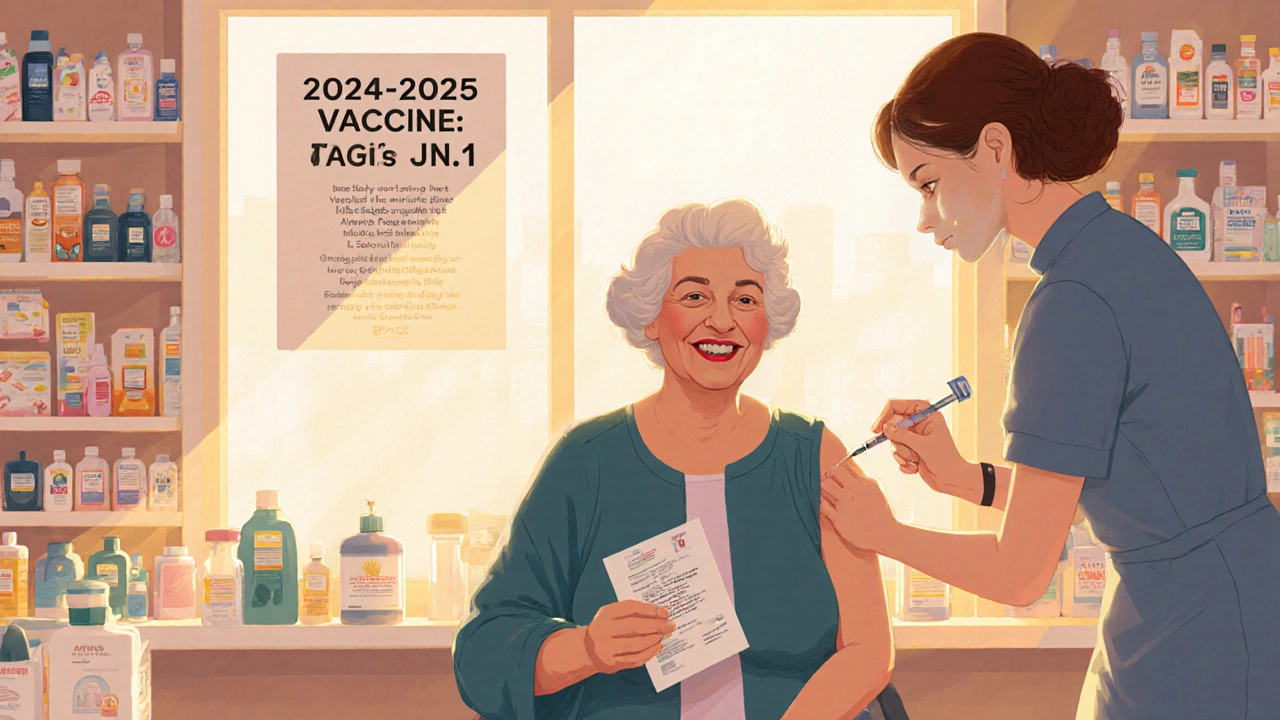
What makes JN.1.1 stick around is how well it dodges immunity. Even if you’ve been vaccinated or had Covid before, you can still catch it. That’s why boosters are still recommended for high-risk groups. The updated 2024-2025 vaccine targets JN.1 and its close relatives. It’s available for free at GP clinics and pharmacies across London for anyone over 65, pregnant women, and those with chronic illnesses like diabetes or heart disease.
Are masks still needed?
Masks are no longer required anywhere in London-not on public transport, not in hospitals, not in schools. But some people still wear them, especially in crowded places like the Tube during rush hour or in GP waiting rooms. If you’re immunocompromised, you might choose to wear one anyway. It’s not about rules anymore-it’s about personal risk tolerance.
Hospitals still ask visitors to wear masks if they’re coughing or sneezing. Staff in high-risk wards (like oncology or dialysis units) often wear masks as standard practice. That’s not because of government policy-it’s because they’ve learned the hard way that a simple cloth mask can prevent a patient from getting sick.
What about testing?
Free lateral flow tests are no longer available through the NHS. You can buy them at pharmacies, supermarkets, or online, but they cost between £2 and £5 each. Most people only test if they’re feeling unwell and want to know whether to stay home. If you test positive, you’re not legally required to isolate-but the NHS still advises staying home for at least 48 hours after your fever breaks and you feel better.
Doctors don’t routinely test for Covid anymore unless someone is at high risk of complications. If you’re young and healthy with a cold, your GP won’t order a test. They’ll treat you for a viral illness and move on. That’s not because they’re ignoring Covid-it’s because the treatment hasn’t changed. Rest, fluids, painkillers. That’s it.
Who’s still at risk?
The people most likely to get seriously ill from Covid in 2025 are the same as they were in 2020: older adults, especially those over 75, and people with chronic conditions like lung disease, kidney failure, or weakened immune systems from cancer treatment or organ transplants.
London has seen 17 deaths from Covid in the last 30 days. All of them were in people over 70. None were fully vaccinated with the latest booster. That’s the pattern now: the unvaccinated elderly are still the ones dying. Not because the virus is stronger-but because their bodies can’t fight it as well.
Children are rarely affected. Hospital admissions for kids under 12 with Covid are lower than for common colds or RSV. Schools don’t track absences due to Covid anymore. Parents aren’t asked to keep kids home unless they have a fever.

How does London compare to other cities?
London’s Covid situation is similar to other major UK cities like Manchester and Birmingham. Case rates are slightly lower than in rural areas, probably because more people in the city are vaccinated and have better access to healthcare. In contrast, cities like New York and Paris have seen slightly higher case numbers this fall, partly due to denser populations and older housing with poor ventilation.
Compared to countries like Japan or South Korea, where mask-wearing and testing are still common, London feels almost normal. There’s no public pressure to avoid crowds or cancel plans. People go to concerts, restaurants, and gyms without thinking twice.
What’s the long-term outlook?
Covid isn’t going away. But it’s becoming endemic-meaning it will stick around at low levels, like the flu or common cold. The virus will keep mutating, and new variants will emerge. But with widespread immunity from vaccines and past infections, the worst outcomes are largely preventable.
The real question isn’t whether London still has Covid. It’s whether you’re protected. If you’re eligible for the booster, get it. If you’re over 65, keep a few tests at home. If you’re caring for someone vulnerable, consider wearing a mask in crowded indoor spaces during winter. That’s all it takes now.
London has moved on. The emergency is over. But the virus hasn’t vanished-it’s just lost its power to shock us.
Is Covid still spreading in London in 2025?
Yes, Covid is still spreading in London, but at low levels. As of November 2025, there are about 12,000 confirmed cases per week-down from over 100,000 during the peak. The virus is circulating like a seasonal illness, mostly affecting older adults and those with chronic conditions.
Do I need to get the Covid booster in London?
If you’re over 65, pregnant, or have a chronic health condition, yes. The 2024-2025 booster targets the JN.1.1 variant and reduces your risk of hospitalization by 60-70%. It’s free at GP clinics and pharmacies. Healthy adults under 65 don’t need it unless they’re in close contact with high-risk people.
Should I wear a mask in London?
No, masks aren’t required anywhere in London. But if you’re immunocompromised, elderly, or visiting someone who is, wearing a mask in crowded indoor places like the Tube or hospitals is still a smart choice. It’s not about rules-it’s about reducing risk.
Can I still get tested for Covid in London?
Free tests are no longer available through the NHS. You can buy lateral flow tests at pharmacies or online for £2-£5 each. Most people only test if they’re sick and want to know whether to stay home. If you test positive, you’re not legally required to isolate, but the NHS recommends staying home until your fever is gone for 48 hours.
Are children in London still getting sick from Covid?
Very rarely. Hospital admissions for children under 12 with Covid are lower than for common colds or RSV. Schools no longer track absences due to Covid, and parents aren’t asked to keep kids home unless they have a fever. The virus rarely causes serious illness in healthy children.


About Author
