Political Polarization: Why Divisions Are Deepening in the UK and US
When you hear political polarization, the growing divide between opposing political groups that makes compromise feel impossible. Also known as partisan divide, it’s not just about different opinions—it’s about people seeing those with different views as enemies. This isn’t just happening in Washington or Westminster. It’s in your feed, your family dinners, and your local news. The gap isn’t getting narrower. It’s widening—and the media plays a bigger role than most admit.
Take The Guardian, a UK newspaper with a clear progressive editorial stance that consistently supports the Labour Party. Its coverage frames issues through a left-leaning lens, which builds deep trust among its readers but fuels distrust from conservatives. Meanwhile, the Republican Party, a major US political party firmly rooted in right-wing ideology, with 77% of its members identifying as conservative in 2024, has moved sharply away from moderate positions on taxes, guns, and abortion. These aren’t just policy differences—they’re identity lines. And when news outlets like CNN, a global news network with a documented left-leaning bias in framing and guest selection or the Financial Times, an economically liberal publication that endorses both Labour and Conservatives based on fiscal policy, not ideology are seen as partisan, people stop trusting the facts. They trust the team.
It’s not just about what’s reported—it’s how it’s consumed. Twenty percent of U.S. adults now get their news from TikTok, and nearly half of those under 30 rely on it. The algorithm doesn’t care if you’re informed. It cares if you’re angry. And anger keeps you scrolling. Meanwhile, in the UK, print media isn’t dead—it’s just serving a different kind of audience: people who still want clarity over chaos. But even there, trust is fraying. The BBC, once seen as neutral, now faces accusations of bias from both sides. And when the most trusted sources are questioned by everyone, the only thing left is echo chambers.
What you’ll find below isn’t a list of opinions. It’s a collection of facts, data, and breakdowns that show how we got here. From who owns The Guardian to why USA Today stopped endorsing candidates, from how the UK’s living crisis feeds distrust to how CNN’s reliability is split along party lines—these stories don’t just report on political polarization. They explain its engine.
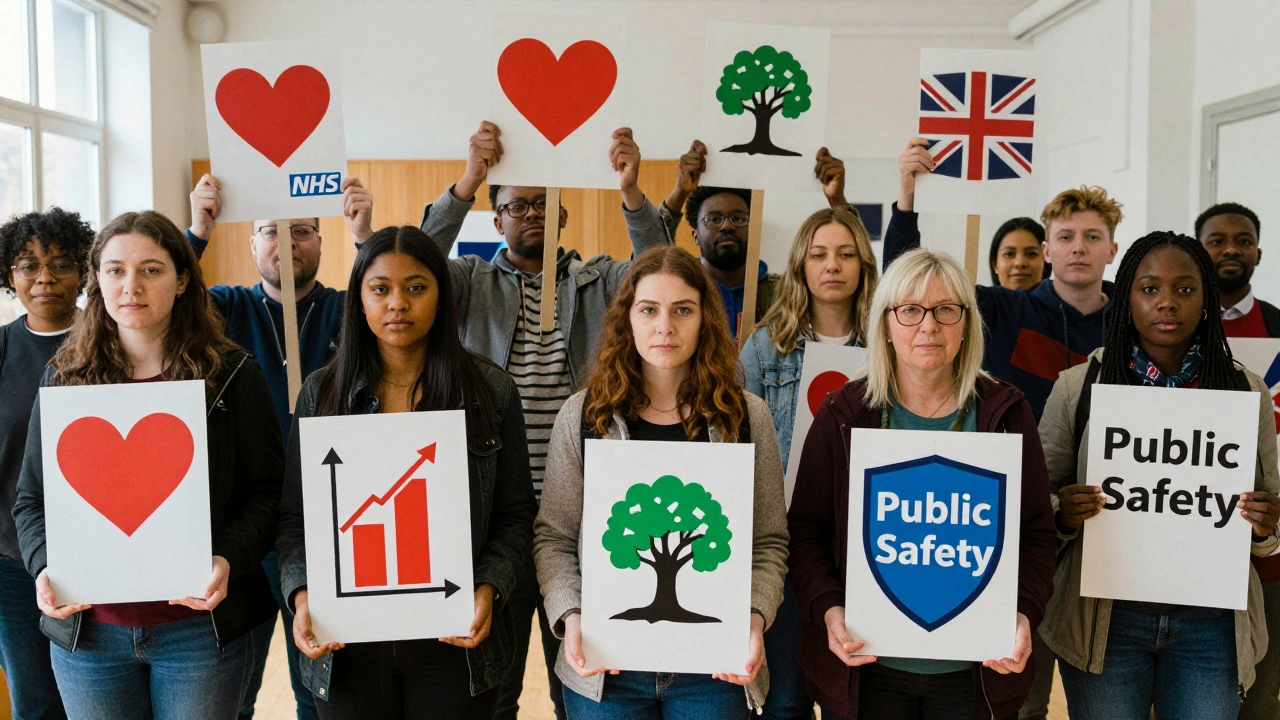
Are Political Independents Left or Right? The Real Story Behind the Label
Political independents don't fit neatly on the left or right. Most hold mixed views, care more about local issues than ideology, and are reshaping British politics by voting for people, not parties.
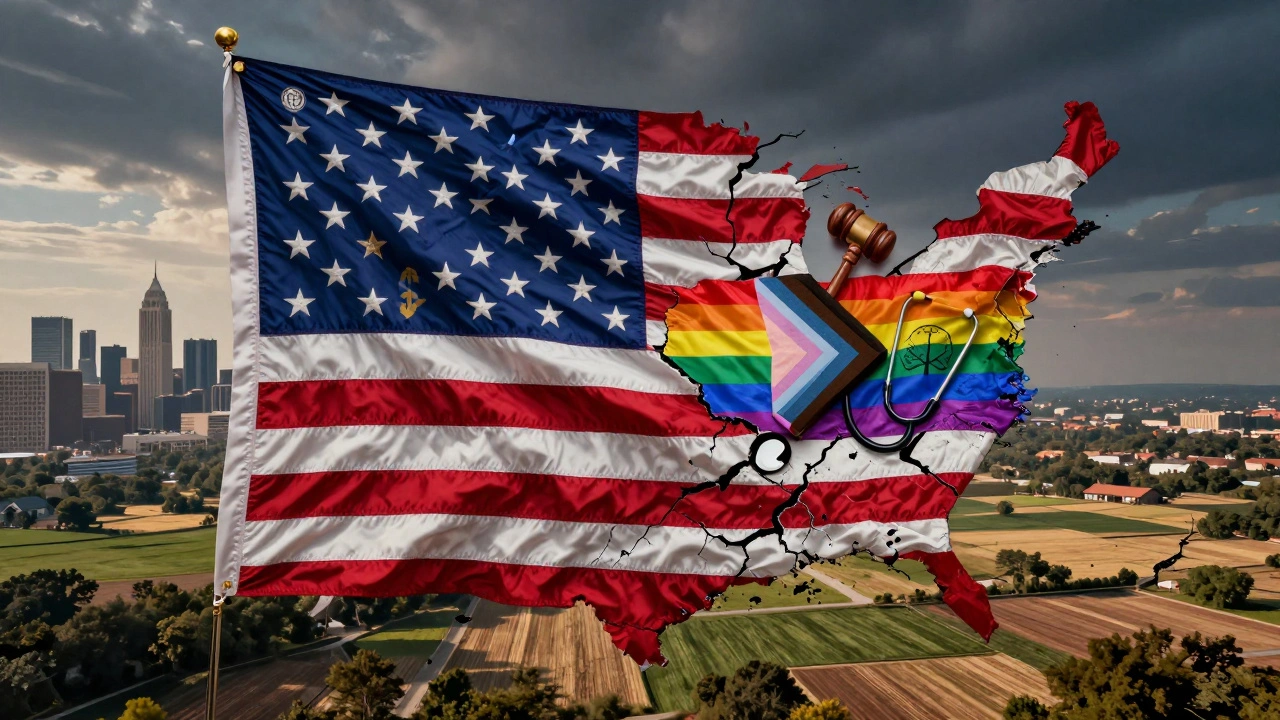
Is the USA Today Conservative? The Real Picture Beyond the Headlines
The U.S. isn't uniformly conservative, but conservative ideas are more organized and aggressive than ever. With Project 2025 shaping GOP policy and state-level battles over abortion and education, the country is deeply divided - not unified under one ideology.