
What Is Print Media in the UK? Today’s Reality Beyond the Decline
UK Print Media Revenue Calculator
Calculate projected annual revenue for UK print media using real industry data from the article. See how circulation numbers impact revenue compared to digital advertising.
Projected Annual Revenue
When you think of print media in the UK, you might picture an old man reading the Daily Mail over breakfast, or a stack of glossy fashion magazines on a coffee table. But that’s only part of the story. Print media isn’t dead-it’s changed. And understanding what it is today means looking past the headlines about decline to see where it still matters, who still reads it, and why brands are spending more on it than ever before.
What Exactly Counts as Print Media in the UK?
Print media in the UK means anything you can hold in your hands that’s been printed on paper: newspapers, magazines, books, leaflets, and even direct mail. It’s not just news. It’s the glossy quarterly from Bottega Veneta that costs £45 and comes with a velvet ribbon. It’s the local weekly paper in Penzance that still lists village fairs and lost cats. It’s the hardcover novel you bought at Waterstones because you like the smell of ink and paper.
The industry includes everything from mass-market tabloids like The Sun and Metro-which together sell over 2 million copies daily-to niche titles like British Vogue or Monocle, which sell far fewer copies but command much higher ad rates. Book publishing is also part of this ecosystem. In 2023, UK publishing revenue hit £7 billion, the highest ever, thanks largely to strong sales in fiction, cookbooks, and children’s titles.
Who Still Reads Print Media?
It’s not the teenagers scrolling TikTok. It’s not even most people under 30. But it’s not just retirees either.
According to Attest’s 2025 UK Media Consumption Report, the biggest group of print readers is people aged 31 to 49. About 28% of them read a printed newspaper at least once a week. That’s more than any other age group. Why? Many in this cohort grew up with print. They still value the focus it offers-no pop-ups, no notifications, no algorithm pushing them toward outrage. They read it during their commute, in the bath, or on a weekend morning without distractions.
Older readers, over 65, still make up a large share of daily newspaper circulation. But their numbers are shrinking slowly. Meanwhile, younger readers under 25? Only 4% read print newspapers weekly. But here’s the twist: they’re more likely to buy print magazines. Not for news. For photography. For design. For the feeling of owning something that feels permanent.
How Much Money Is Still in Print?
Revenue for the entire UK print industry dropped to £9.2 billion in 2025, down from £11.5 billion five years ago. That’s a 4.1% annual decline. But that number hides a deeper truth: print advertising is still alive, and in some ways, stronger than ever.
In 2025, print advertising brought in £1.524 billion for newspapers alone. Digital advertising from the same outlets? Just £1.002 billion. That’s right-print ads still make more money than digital ones for newspapers. Why? Because luxury brands don’t want their ads buried in a feed. They want to be in a beautifully designed magazine where the reader spends 12 minutes, not 12 seconds.
Brands like Bottega Veneta, Madhappy, and Patta are launching their own print magazines in 2024-2025. They’re not selling products. They’re selling a mood. A lifestyle. And they’re willing to pay top dollar for it. The Plastic Packaging Tax is rising, paper costs are up, and labor is scarce-but these brands see print as the last untouched space for authentic storytelling.

The Big Three: Who Controls Print Media?
The UK print media market is no longer a wide-open field. It’s dominated by three players: DMG Media (Daily Mail, Mail on Sunday), Reach plc (Daily Mirror, Daily Express), and News UK (The Times, The Sun).
DMG Media alone controls 43.4% of the combined weekly circulation of all national newspapers as of 2024. That’s up from 38.4% in 2023. Since 2014, the top three publishers have increased their market share by 27%. That kind of concentration raises concerns about press freedom and diversity of voice. The Media Reform Coalition warns that when one company controls over two-fifths of the national print market, public accountability suffers.
Meanwhile, local newspapers have been decimated. Over 200 regional titles have closed since 2010. What’s left are often owned by the same big players, repackaged with national content. The local voice isn’t gone-but it’s quieter, and harder to find.
Why Print Still Works-Even in a Digital World
People spend 2 to 3 times longer reading print than digital content. That’s not a guess. It’s from multiple eye-tracking studies. When you hold a newspaper or magazine, your brain treats it differently. You’re less likely to skim. You’re more likely to remember what you read.
There’s also no tracking. No data harvesting. No ads following you across devices. For readers tired of being monitored, print is a rare sanctuary. For advertisers, that’s gold. A luxury brand doesn’t want to be next to a viral meme or a political rant. They want to be surrounded by clean design, thoughtful writing, and a calm audience.
And let’s not forget the collectible factor. Limited-edition magazines, special anniversary issues, signed copies of books-these aren’t just products. They’re artifacts. People keep them. Frame them. Pass them down.
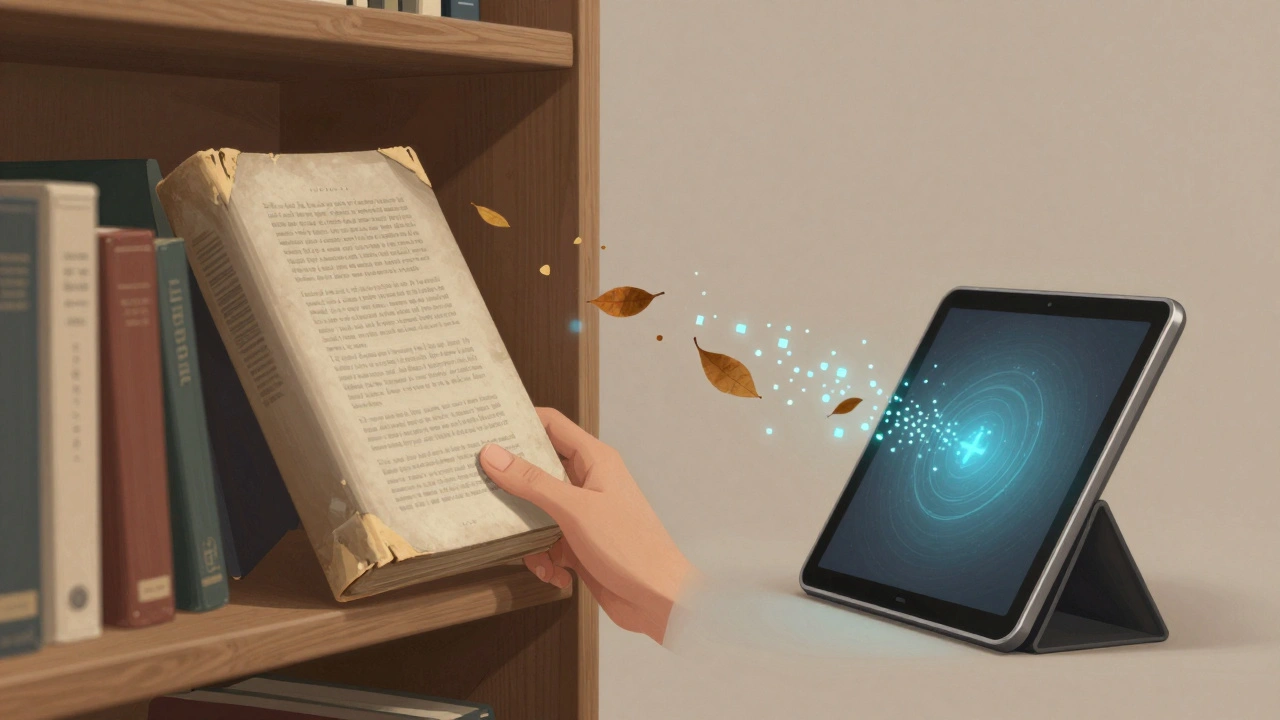
The Real Challenges: Costs, Labor, and Sustainability
Print isn’t dying because people stopped reading. It’s struggling because it’s expensive to make.
Printing a newspaper costs more than ever. Paper prices jumped 18% since 2022. The Plastic Packaging Tax increased in the Autumn Budget 2025, and now printers must use more recycled content-something that’s harder to source and more costly. Distribution is another headache. With fewer delivery drivers and rising fuel costs, getting papers to rural areas is getting harder.
There’s also a skills crisis. According to BPIF’s Q1 2025 report, 68% of printing companies say they can’t find qualified technicians. The people who know how to run offset presses are retiring. Fewer young people are learning the trade. Training programs take 6 to 12 months-and most employers can’t afford to wait that long.
And yet, the industry is trying. The Print Proud campaign launched in 2023 to attract new talent. The Printing Charity offers grants and career support. Some publishers are investing in solar-powered presses and bio-based inks. It’s slow. It’s expensive. But it’s happening.
What’s Next for Print Media in the UK?
Will print disappear? No. But it won’t look the same.
By 2030, digital revenue is expected to make up 45-50% of the newspaper industry’s total income. That means print will be a smaller piece of the pie. But it won’t be the scraps. It’ll be the premium cut.
Mass-market daily newspapers? Their circulation will keep falling. But high-end fashion magazines, collector’s books, and niche interest titles? Those are holding steady-or growing. The future of print isn’t in selling news. It’s in selling experience.
Expect more luxury brands launching their own print publications. More artists and writers releasing limited-run zines. More independent bookshops partnering with local printers for small-batch runs. Print is becoming a boutique product-not for everyone, but for the people who care enough to pay for it.
The UK’s print media isn’t a relic. It’s a reinvention. And for those who still value depth, design, and stillness in a noisy world-it’s more valuable than ever.
Is print media still relevant in the UK in 2025?
Yes, but differently. While daily newspaper circulation has dropped, print media remains relevant in luxury advertising, book publishing, and niche magazines. Brands like Bottega Veneta are investing in print to reach audiences tired of digital noise. Print readers also spend 2-3 times longer with content than digital users, making it valuable for targeted, high-quality advertising.
What are the biggest print media outlets in the UK?
The top three are DMG Media (Daily Mail, Mail on Sunday), Reach plc (Mirror, Express), and News UK (The Sun, The Times). Together, they control over 65% of the national daily print market. Metro and The Sun are the most widely circulated daily newspapers, while titles like The Times and The Guardian maintain strong brand loyalty among educated readers.
Why are luxury brands choosing print over digital?
Luxury brands use print to avoid social media algorithms, bypass ad fatigue, and connect with audiences in a tactile, distraction-free environment. Print offers higher perceived value, better visual quality for photography, and a sense of exclusivity. A single page in a high-end magazine can cost £50,000-but it’s seen as an investment in brand prestige, not just reach.
Are people still buying newspapers in the UK?
Yes, but fewer than before. In 2025, print newspaper circulation revenue fell to £1.096 billion, down from £1.191 billion in 2023. However, readers aged 31-49 still make up the largest group of weekly print readers. Local papers have declined sharply, but national titles like the Daily Mail and Metro still sell over 1 million copies daily.
What’s the biggest threat to UK print media today?
The biggest threats are rising costs (paper, ink, fuel, taxes), labor shortages (68% of printers struggle to hire skilled workers), and regulatory pressure from the Plastic Packaging Tax. Social media now captures 43% of newspaper advertising revenue, fragmenting the market. Without long-term investment in sustainable printing and workforce training, the industry’s decline will continue-though not vanish.
About Author
