What Is the Largest City in the World in 2026? The Real Answer Isn't What You Think
City Size Calculator
See how different measurement methods affect which city is ranked as largest. The article explains why there's no single answer to "What is the largest city?" because definitions matter.
City Proper
Measures total administrative area - often includes rural land. Chongqing (32M) uses this metric.
Urban Area
Measures continuous urban footprint - Delhi (34.2M) leads here as of early 2026.
Metro Area
Measures economic region including suburbs - Tokyo (37.8M) leads here.
Select Measurement Method
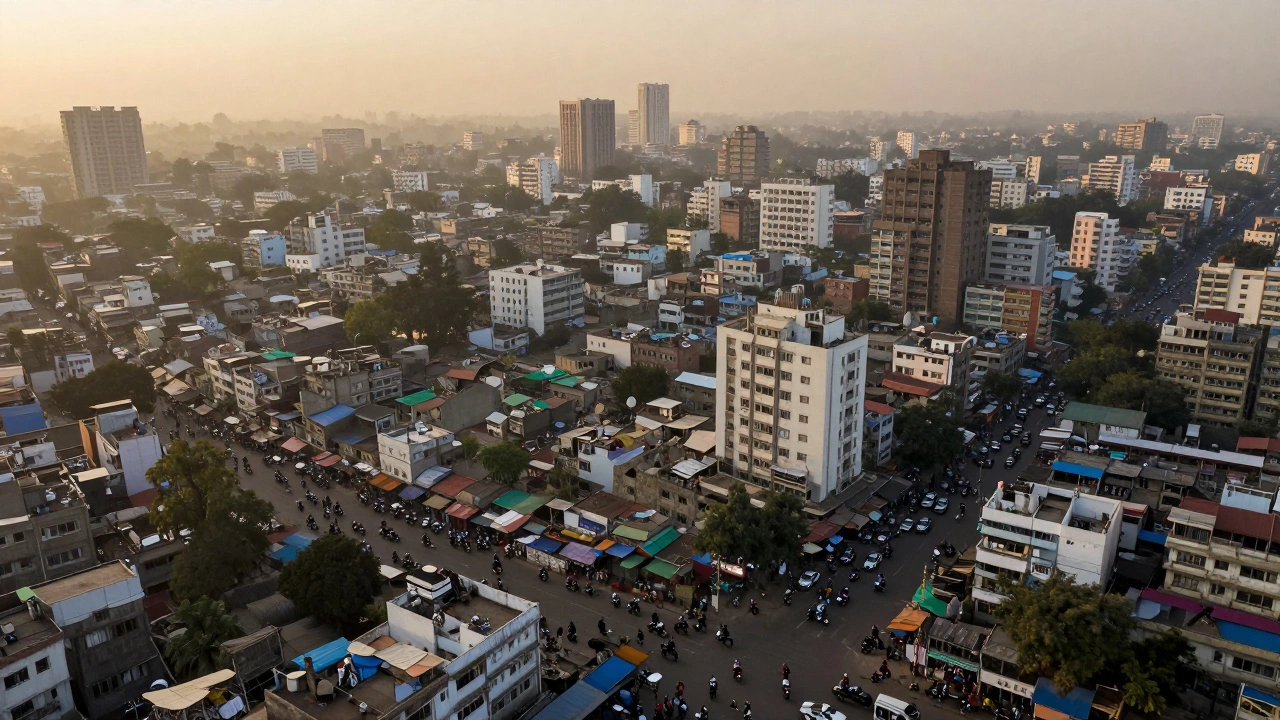
When you ask what is the largest city in the world, you might picture Tokyo’s endless skyline or Delhi’s packed streets. But the answer isn’t simple. It depends on how you define “city.” Some say it’s Tokyo. Others say Delhi. A few even point to Chongqing - a place bigger than Austria. So who’s right? The truth is, all of them are - depending on the metric you use.
City Proper: Chongqing’s Bizarre Claim
If you measure by administrative boundaries, Chongqing, China, wins by a landslide. It’s officially home to about 32 million people. But here’s the catch: most of that area is rural. Chongqing’s city limits stretch over 82,400 square kilometers - larger than Austria or the U.S. state of Nebraska. Inside those borders are mountains, farmland, and tiny villages. The actual urban core? Around 15 to 18 million people, similar to other major cities. Urban geographers call this a category error. Comparing Chongqing to Tokyo or New York is like comparing a whole country to a single borough. It’s technically correct, but misleading.Urban Area: Delhi Has Surpassed Tokyo
This is where things get real. The most meaningful way to measure a city isn’t by political lines - it’s by where people actually live, work, and commute. That’s the urban area: a continuous stretch of buildings, roads, and neighborhoods with no big gaps. According to the European Commission’s Global Human Settlement Layer and Demographia’s 2024 World Urban Areas report, Delhi’s urban sprawl hit 34.2 million people by early 2026. Tokyo? 34.1 million. Delhi edged ahead in late 2023 and hasn’t looked back.Why? Constant migration. Millions move to Delhi every year from rural India seeking jobs, education, and opportunity. New neighborhoods grow faster than the government can plan for. Meanwhile, Tokyo’s population is slowly shrinking due to Japan’s aging society and low birth rates. Even though Tokyo still has more high-rises and better transit, its growth has flatlined. Delhi’s is still climbing.
Metro Area: Tokyo Still Holds the Title - For Now
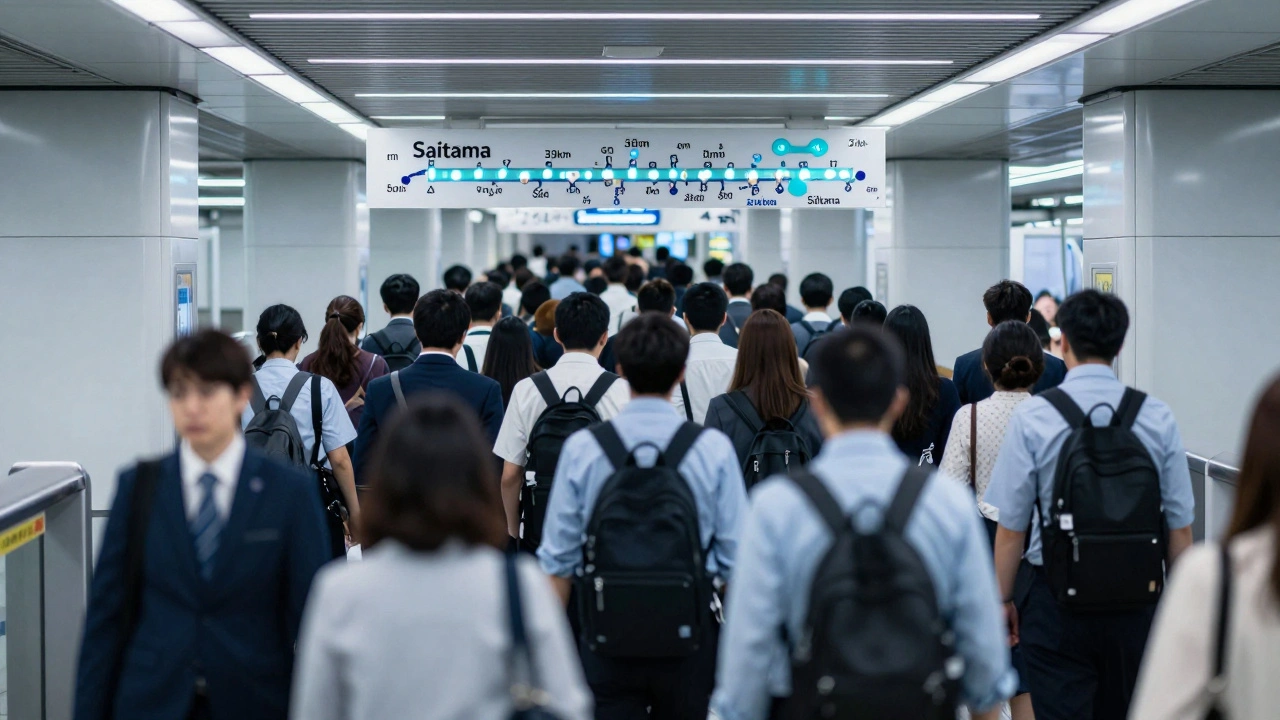
If you include everyone who commutes into the city from surrounding towns - even if they live 50 kilometers away - Tokyo still leads. Japan’s Statistics Bureau counts 37.8 million people in the Greater Tokyo Area. That includes Yokohama, Kawasaki, Saitama, and Chiba. It’s the most complete picture of how the city functions as a single economic unit. The United Nations still lists Tokyo as #1 using this method. But here’s the twist: the UN is updating its data in 2026 to include smartphone location tracking. That could push Tokyo’s number even higher - possibly back above 38 million - while Delhi’s commuter zone might not expand as fast. So if you care about economic reach and transportation networks, Tokyo still wins.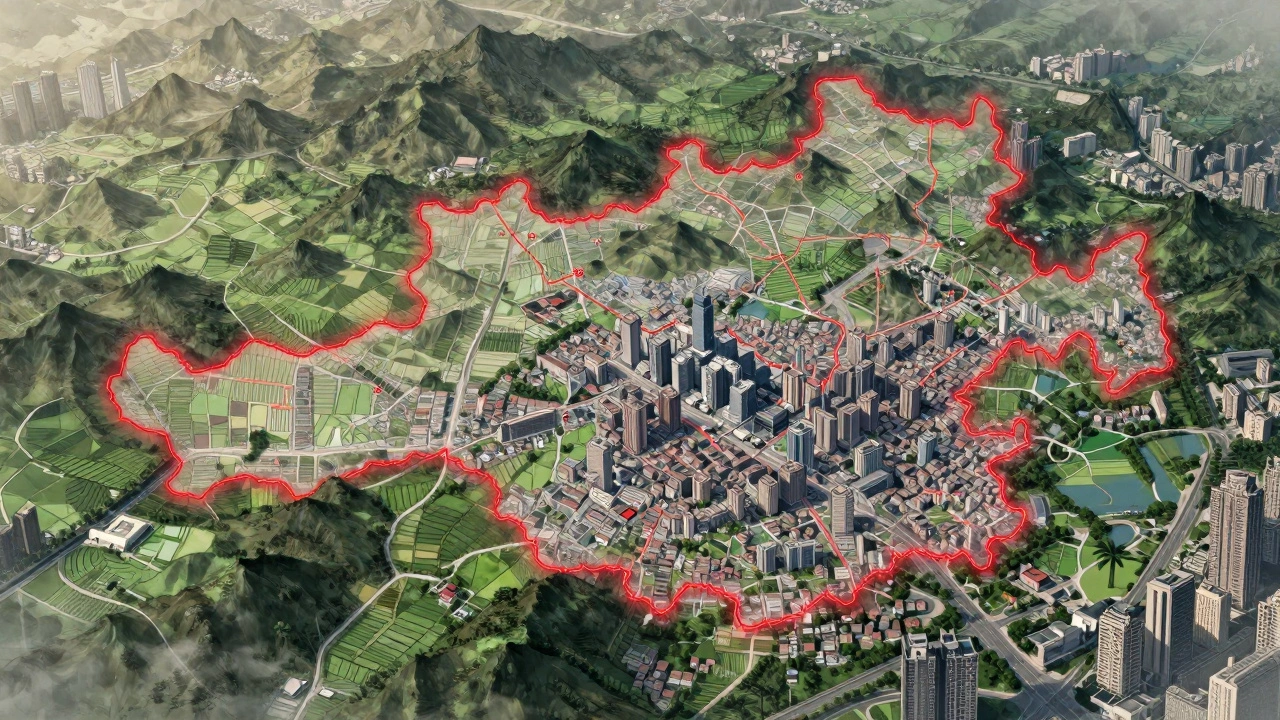
Why the Confusion? It’s All About the Numbers
You’ll see different answers everywhere. Google Maps says Tokyo. Apple Maps says Delhi. Wikipedia lists Chongqing. YouTube videos pick Shanghai or Mumbai. Why? Because each source uses a different rule. Urban planners use urban area data. Governments use city proper. Corporations use whatever makes their data look best. Esri and HERE Technologies, two major mapping firms, even use conflicting methods - which is why your phone might show one answer and your laptop another.And it’s getting worse. Countries are changing their city boundaries to look bigger. Chongqing did it in 1997. Indonesia is doing it now with Jakarta. India expanded Delhi’s official limits in 2022. These aren’t just administrative tweaks - they’re political moves to attract funding, influence, and prestige.
What Does This Mean for You?
If you’re just curious, the simplest answer is: Delhi is now the world’s largest city by continuous urban footprint. If you’re planning a trip, Tokyo still feels bigger because of its density and infrastructure. If you’re studying urban trends, the real story isn’t who’s #1 - it’s that Asian megacities are growing faster than any in history. By 2035, Jakarta could be the largest, with over 45 million people. But right now, Delhi’s growth is unstoppable.So next time someone asks you what the largest city is, don’t give a single name. Say this: “It depends. If you mean how far you can walk without hitting farmland - it’s Delhi. If you mean how many people ride the same train system - it’s Tokyo. And if you mean how big the government says it is - it’s Chongqing.”
Top 5 Cities by Urban Area (2026 Estimates)
- 1. Delhi - 34.2 million
- 2. Tokyo - 34.1 million
- 3. Jakarta - 33.5 million
- 4. Shanghai - 29.8 million
- 5. São Paulo - 22.4 million
These numbers come from the Global Human Settlement Layer - the most consistent, satellite-based method used by scientists worldwide. Everything else is a variation.
Why Tokyo Still Feels Bigger
Even though Delhi has more people in its urban zone, Tokyo feels more massive. Why? It’s the infrastructure. Tokyo’s subway system moves 40 million people daily. Delhi’s metro is still expanding. Tokyo’s streets are cleaner, its public services more reliable, and its skyline more uniform. Delhi’s growth is chaotic. It’s raw, loud, and overwhelming. But it’s also alive. That’s the difference between size and scale.What’s Next?
By 2030, the gap between Delhi and Tokyo will widen. Mumbai, Dhaka, and Lagos are also growing fast. The real question isn’t who’s #1 today - it’s whether any city can handle this kind of growth without collapsing under its own weight. Delhi’s air quality is among the worst on Earth. Tokyo’s aging population is a crisis in slow motion. The city that survives - not just grows - will be the true winner.Is Tokyo still the largest city in the world?
It depends on how you define "largest." If you mean the largest metropolitan area (including suburbs and commuter zones), Tokyo still holds the top spot with about 37.8 million people. But if you mean the largest continuous urban area - the actual built-up zone where people live and work - Delhi surpassed Tokyo in 2023 and leads with 34.2 million as of early 2026.
Why does Chongqing have 32 million people?
Chongqing’s population figure comes from its massive administrative boundaries, which cover 82,400 square kilometers - larger than Austria. But most of that area is rural. The actual urban population is closer to 18 million. It’s like counting the entire state of Texas as one city. While technically correct, it’s misleading when comparing to compact cities like Tokyo or London.
Is Delhi bigger than Mumbai?
Yes, by a large margin. Delhi’s urban area has about 34.2 million people. Mumbai’s is around 22 million. Delhi has absorbed nearby towns like Noida and Ghaziabad into its continuous urban zone, while Mumbai’s growth is limited by geography - it’s squeezed between the Arabian Sea and hills. Mumbai is denser, but Delhi is bigger.
Why do different sources give different answers?
Because they use different definitions. Google Maps uses metropolitan area data (Tokyo leads). Apple Maps uses urban area data (Delhi leads). Wikipedia lists city proper populations (Chongqing leads). Even the United Nations and World Bank use different metrics depending on whether they’re studying transportation, housing, or migration. There’s no single global standard - which is why the answer changes depending on who you ask.
Will Jakarta become the largest city soon?
Yes, if current trends continue. Jakarta’s urban population is already 33.5 million and growing fast. But it’s also facing massive infrastructure problems - traffic, flooding, sinking land. If Indonesia doesn’t invest heavily in transit and housing, Jakarta could become unlivable before it overtakes Delhi. The city with the most people isn’t always the most functional.
About Author
