
Why Do I Have a Mucus Cough But Not Sick? Common Causes and What to Do
Mucus Cough Cause Checker
Answer a few questions
This tool helps identify potential causes of your mucus cough when you don't feel sick. Please answer the following questions to get personalized insights.
Your Potential Causes
You’ve been coughing up mucus for days-maybe even weeks-but you don’t feel sick. No fever. No body aches. No sore throat. You’re not running a temperature, you’re not exhausted, and yet, your chest is congested and your throat won’t stop clearing. It’s confusing. And frustrating. You expected to feel worse if something was wrong. But here you are: coughing up phlegm, but otherwise fine.
This isn’t rare. In fact, it’s one of the most common reasons people visit doctors. A productive cough-meaning one that brings up mucus-doesn’t always mean you have an infection. Your body isn’t broken. It’s just doing its job, and sometimes, it’s overdoing it.
What’s Actually Happening in Your Airways?
Your airways are lined with a thin layer of mucus. It’s not there to annoy you. It’s there to protect you. This mucus traps dust, pollen, smoke, and germs before they reach your lungs. Tiny hairs called cilia sweep that mucus up toward your throat, where you either swallow it or cough it out.
When something irritates your airways-like smoke, allergens, or stomach acid-your body makes more mucus. It’s a defense. But if the irritation doesn’t go away, the mucus keeps building up. And that’s when you start coughing, even if you feel fine otherwise.
The key thing to remember: mucus cough is not the same as a cold. It’s a symptom, not a diagnosis.
Postnasal Drip: The Silent Culprit
If you’ve ever had a runny nose that drips down the back of your throat, you’ve experienced postnasal drip. It’s one of the top causes of mucus cough without feeling sick.
It happens when your sinuses produce extra mucus due to allergies, cold air, or even changes in humidity. Instead of running out your nose, it flows backward. That mucus pools in your throat, tickling your cough receptors. You don’t feel congested in your nose-you just keep clearing your throat and coughing.
People often mistake this for a lingering cold. But if you’ve had it for more than two weeks and no fever came with it, it’s likely allergic rhinitis or non-allergic rhinitis. Dust, pet dander, mold, or even strong perfumes can trigger it.
Try this: Use a saline nasal spray twice a day. Sleep with your head slightly elevated. Avoid known allergens. If it doesn’t improve in 10-14 days, see a doctor. Prescription nasal steroids like fluticasone can stop the drip in a week or two.
Acid Reflux: When Your Stomach Is the Problem
Here’s a surprise: your stomach might be causing your cough. Not the kind of reflux that gives you heartburn. This is silent reflux-also called laryngopharyngeal reflux (LPR).
Stomach acid rises into your throat and voice box, irritating the tissue. Your body responds by making more mucus to protect itself. That mucus triggers coughing. You might not feel any burning in your chest. Instead, you notice:
- A constant need to clear your throat
- A lump-like feeling in your throat
- A hoarse voice in the morning
- Coughing mostly at night or after meals
This is common in people who eat late, drink coffee or alcohol, or lie down right after eating. Even if you’re not overweight or don’t have classic heartburn, LPR can still happen.
Try cutting out caffeine, chocolate, spicy food, and eating within 3 hours of bedtime. Elevate your head 6-8 inches while sleeping. If you still have symptoms after 2-3 weeks, talk to your doctor about a short course of proton pump inhibitors like omeprazole.

Asthma: The Cough That Doesn’t Sound Like Asthma
Most people picture asthma as wheezing and gasping for air. But not everyone with asthma wheezes. Some people have only a chronic cough-called cough-variant asthma.
This cough is dry at first, but over time, it can become wet with mucus. It often gets worse at night, after exercise, or when you’re exposed to cold air or strong smells. You might not realize it’s asthma because you don’t feel tightness in your chest.
Doctors diagnose this with a breathing test called spirometry. If your airways are sensitive, they’ll react to a challenge test. Treatment is simple: inhaled corticosteroids and rescue inhalers like albuterol. It’s not a cold. It’s not allergies. It’s your airways being overly reactive.
Environmental Irritants: You’re Breathing in Trouble
Have you started a new job? Moved to a new city? Been cleaning with strong chemicals? Even secondhand smoke or wood smoke from a fireplace can irritate your lungs enough to make them produce extra mucus.
Long-term exposure to dust, fumes, or pollution can cause what’s called chronic bronchitis-even if you’ve never smoked. Your lungs are trying to flush out the irritants. That’s why you cough up mucus, even though you feel fine otherwise.
Look at your environment. Are you around air pollution? Are you cleaning with bleach or ammonia? Are you near a busy road? Try switching to fragrance-free cleaners, using an air purifier, and avoiding smoky areas for two weeks. If your cough improves, you’ve found your trigger.
What the Color of Your Mucus Means (and Doesn’t Mean)
Yellow or green mucus? People panic and assume it’s a bacterial infection. It’s not that simple.
White or clear mucus? Often allergies or mild irritation.
Yellow or green? Your body’s immune cells (neutrophils) are fighting inflammation-could be from allergies, reflux, or even a virus that’s already cleared.
Rust-colored or bloody? This needs a doctor. Could be from a broken blood vessel (common with forceful coughing) or something more serious like lung disease.
Black or dark brown? Common in smokers or people exposed to coal dust or heavy pollution. Could be pneumoconiosis, also called “coal worker’s lung.”
Don’t diagnose yourself by color. The American Lung Association says mucus color alone isn’t reliable. A doctor looks at your full picture: how long it’s lasted, what triggers it, and whether you have other symptoms.
When to See a Doctor
You don’t need to rush to the ER. But you should make an appointment if:
- Your cough lasts more than 3 weeks
- You’re coughing up blood or rust-colored mucus
- You’re losing weight without trying
- You’re short of breath or wheezing
- You have chest pain when you cough or laugh
- You’re a smoker or have a history of lung disease
These aren’t emergencies-but they’re red flags that need checking. A chest X-ray, lung function test, or allergy panel can quickly rule out serious causes.
What Not to Do
Don’t suppress your cough with over-the-counter cough syrups. If you’re coughing up mucus, your body is trying to clear your airways. Stopping that cough can trap infection or irritants in your lungs.
Don’t assume antibiotics will help. Most mucus coughs are not caused by bacteria. Antibiotics won’t fix allergies, reflux, or asthma-and they can cause side effects.
Don’t wait too long. If you’ve had this for over a month, you’re not just "getting over a cold." You’re dealing with something that needs a real solution.
What You Can Do Right Now
Start with these simple steps:
- Drink more water. Thins out mucus so it’s easier to clear.
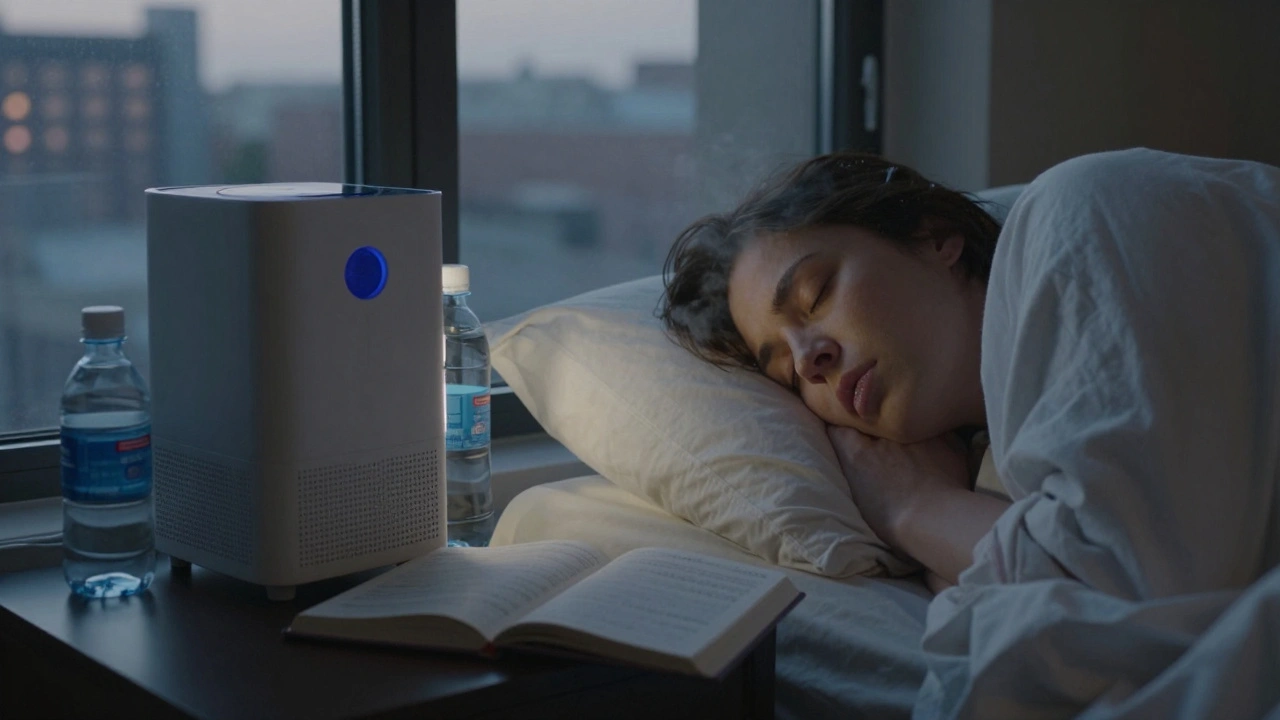
- Use a humidifier, especially at night. Dry air makes mucus thicker.
- Stop smoking-or avoid secondhand smoke.
- Track your cough: When does it happen? After meals? In the morning? Around pets? Write it down.
- Try saline nasal rinses and elevate your head while sleeping.
If none of this helps in 2-3 weeks, see a doctor. You don’t need to live with a cough that won’t quit.
The good news? Most causes of mucus cough without illness are treatable. Postnasal drip, reflux, allergies-they all respond well to the right approach. You’re not crazy. Your body isn’t failing. You just need to find out what’s triggering it-and fix that.
Can a mucus cough be caused by allergies?
Yes. Allergies like hay fever or indoor allergens (dust mites, pet dander) can cause postnasal drip, which leads to mucus coughing. You might also have a runny nose, sneezing, or itchy eyes-but no fever. Antihistamines and nasal sprays often help.
Why am I coughing up mucus but not sick?
You’re not sick in the traditional sense, but something is irritating your airways. Common causes include postnasal drip, acid reflux, asthma, or environmental irritants like smoke or pollution. Your body is producing mucus to protect your lungs, not because you have an infection.
Is green mucus a sign of infection?
Not necessarily. Green or yellow mucus means your immune system is active, but it can be from allergies, reflux, or lingering irritation-not bacteria. Antibiotics won’t help unless there’s a confirmed bacterial infection, which is rare in chronic mucus coughs.
How long should a mucus cough last before I worry?
If it lasts more than 3 weeks, it’s considered chronic and needs evaluation. Most viral coughs clear in 1-2 weeks. A cough that lingers beyond that is likely due to allergies, reflux, asthma, or environmental triggers-not a lingering virus.
Can stress cause a mucus cough?
Stress doesn’t directly cause mucus, but it can worsen conditions that do. Stress triggers inflammation and can make asthma or reflux worse. It can also make you more aware of throat clearing and coughing, turning a mild irritation into a persistent habit.
Should I take expectorants like Mucinex?
They can help thin mucus, but they won’t fix the root cause. If your cough is from reflux or allergies, Mucinex won’t stop it. Drink water and treat the trigger instead. Use expectorants only if your doctor recommends them.


About Author
