Is there a living crisis in the UK? Here’s what’s really happening in 2026
Cost of Living Impact Calculator
Your Household Budget
Your Financial Situation
Enter your income to see your impact
By early 2026, millions of British households are still paying the price for a crisis that began years ago. It’s not just about higher bills anymore-it’s about choosing between heating your home and eating properly. This isn’t a temporary spike. It’s a sustained erosion of what it means to get by in the UK today.
Prices kept rising while pay stayed flat
Inflation hit 11.1% in late 2022, the highest in four decades. Energy bills were set to jump 80%-from under £2,000 a year to over £3,500. The government stepped in with emergency support, but the damage was done. Even though headline inflation has dropped to 3.4% as of November 2025, that’s still well above the Bank of England’s 2% target. And here’s the catch: wages haven’t kept up. Real-term pay growth in the year to January 2026 was just 1%. That’s not recovery. That’s barely keeping pace after three years of price hikes.
For many, this isn’t theoretical. A family on a median income is still £1,200 a year worse off than they were in 2021. That’s the equivalent of losing a full month’s salary every year. And it’s not because people are spending more-it’s because everything costs more.
Food is the silent killer
If you think energy bills are bad, wait until you look at food. In July 2025, food inflation was still at 4.9%. That’s more than double the overall inflation rate. For low-income households, this is devastating. Statista found that 92% of families struggling with the cost of living said rising food prices were their biggest worry. That’s not just milk and bread-it’s meat, eggs, vegetables, even basics like pasta and rice. Supermarkets have stopped offering discounts on essentials. Bulk buys are no longer affordable. Many are switching to cheaper brands, but even those are rising.
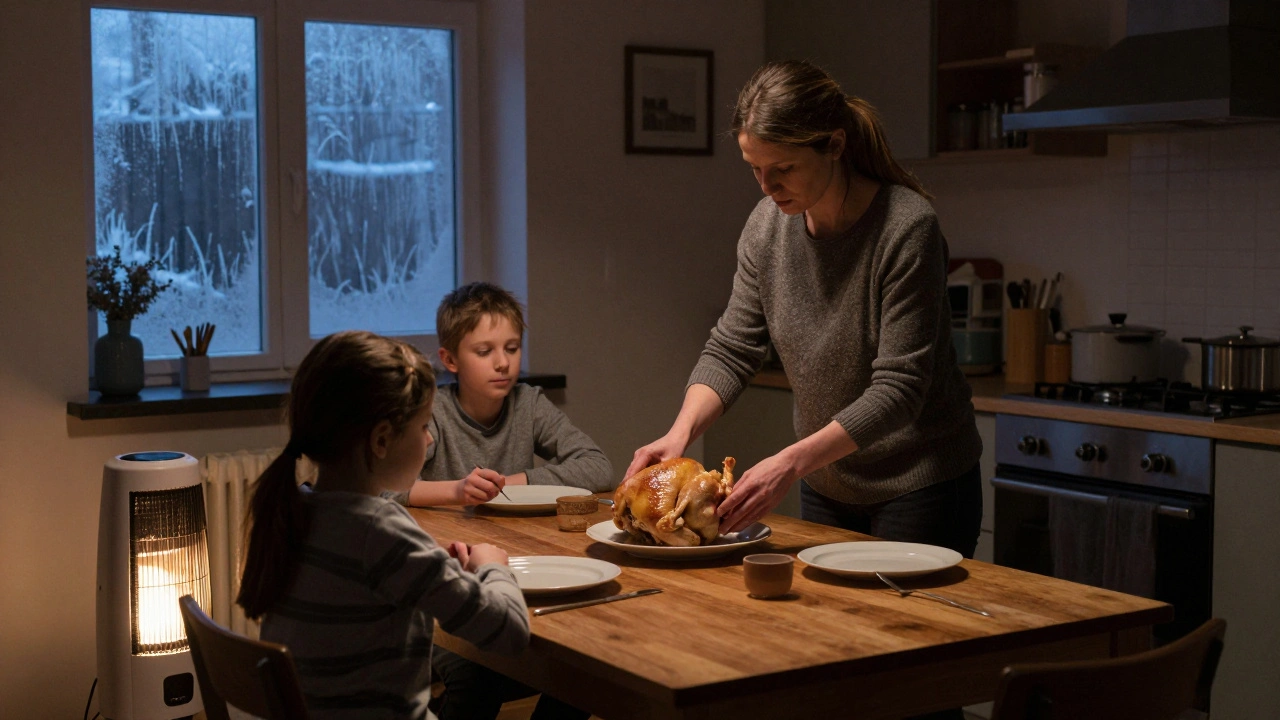
One mother in Manchester told a local reporter she now buys half a chicken instead of a whole one, stretching it across two meals. Another in Birmingham said she skips lunch so her kids can eat. These aren’t rare stories. They’re the new normal.
Energy bills are still twice what they used to be
The government gave every household a £400 discount on energy bills and an extra £650 for low-income families. Pensioners got more. Council tax refunds helped too. But here’s the truth: even with all that, the average energy bill in winter 2025 was still nearly double what it was in 2021. That’s not a temporary fix. That’s a permanent shift. The £400 discount doesn’t cover the gap-it just slows the bleeding.
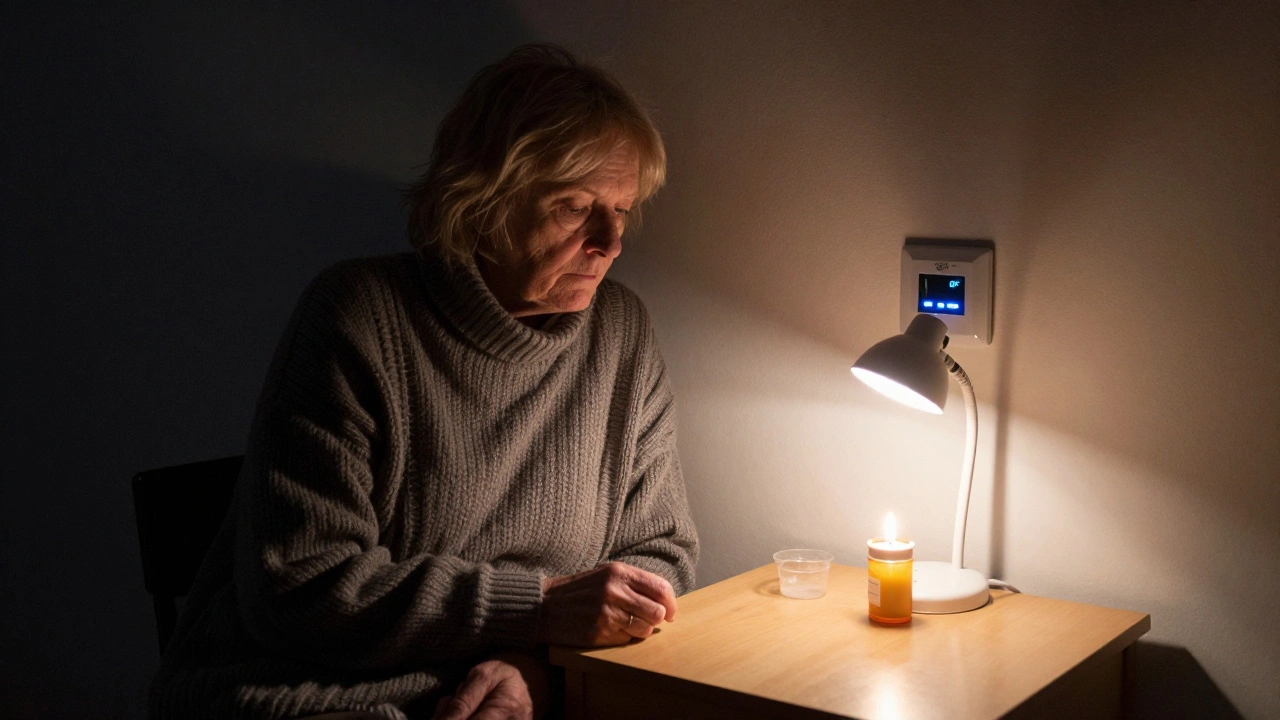
And now, the Winter Fuel Payment has been removed for some older people under Labour’s new rules. Many pensioners are terrified. One 82-year-old in Leeds said she’s turning her heater off at 8 p.m. and wearing three jumpers to bed. The Office for National Statistics found that people over 80 are experiencing an effective inflation rate of 15.3%-mostly because they spend more on heating. For them, this isn’t a crisis. It’s a survival issue.
Who’s feeling it the most?
This crisis doesn’t hit everyone the same. The poorest are hit hardest. The Joseph Rowntree Foundation reported in 2025 that over 3 million low-income households still can’t afford to heat their homes properly. Around 710,000 are struggling to pay for food, heating, and warm clothing all at once. That’s not a statistic. That’s real people. Kids going to school in thin coats. Elderly people choosing between pills and heating.
Regional differences are stark too. While cities like Manchester and Birmingham saw slightly better wage growth, rural areas and small towns are falling further behind. The Centre for Cities found that over the past decade, national disposable income grew just 2.4%. In major urban centers, it was more than double that. But for the rest? It’s been flat-or worse.
And then there’s Brexit. Researchers at the London School of Economics confirmed that Brexit added to food price hikes because of extra paperwork and delays on European imports. That’s not speculation-it’s documented. So when you hear someone say “it’s just inflation,” remember: it’s not just global markets. It’s also policy decisions that made things harder.
People are giving up
Public trust in the government is at rock bottom. YouGov’s January 2026 poll showed that only 8% of Britons think the government is handling the crisis well. Eighty-five percent think they’re doing a bad job. That’s a net approval score of -77-the worst ever recorded since tracking began in 2022.
People aren’t just angry. They’re exhausted. Forty-four percent say they’ve struggled to pay for food in the last three months. Thirty-seven percent have had trouble with energy bills. Nearly half of all households say their finances got worse in the past year. Only 9% say they’ve improved.
And the future? Only 12% expect things to get better in 2026. Forty-four percent think they’ll get worse. That’s not pessimism. That’s experience. People have watched promises fade. They’ve seen temporary help disappear. They’ve seen wages rise by 6.2% in late 2023-only to watch inflation eat it all back by spring 2024.

Why won’t this end soon?
The Resolution Foundation says household incomes won’t return to pre-crisis levels until at least 2027. The Joseph Rowntree Foundation predicts disposable income will keep falling through the rest of the decade. Why? Because the underlying problems haven’t been fixed.
Wages haven’t risen meaningfully in 15 years. Productivity is stagnant. Housing costs are still sky-high. The social safety net is stretched thin. And while inflation is slowing, the damage is baked in. You can’t just flip a switch and undo three years of price spikes.
Even if inflation hits 2% next year, families still won’t be back to where they started. They’re behind by thousands of pounds. And without a major boost in real wages-or a radical rethink of how support is delivered-this won’t get better. It’ll just become the new baseline.
What’s next?
There’s no easy fix. But here’s what’s clear: more temporary cash handouts won’t cut it. People need predictable income growth. They need affordable housing. They need energy prices that don’t double every winter. And they need a government that listens-not just reacts.
Right now, the UK isn’t in a recession. But for millions, life feels like one. The crisis isn’t over. It’s just changed shape. And until wages catch up, prices stabilize, and support reaches those who need it most, this won’t be called a crisis anymore.
It’ll be called everyday life.


About Author
