What Is the Cost of Living in the UK in 2026?
By early 2026, the cost of living in the UK remains the top concern for households across the country. More than half of Britons say they’re struggling to keep up - not because of a sudden shock, but because wages have barely moved for over a decade while everything else keeps climbing. The average household spends £623.30 per week just to cover basics, according to the Office for National Statistics. That’s more than £32,000 a year on food, rent, bills, and transport. And for many, it’s still not enough.
Housing: The Biggest Drain
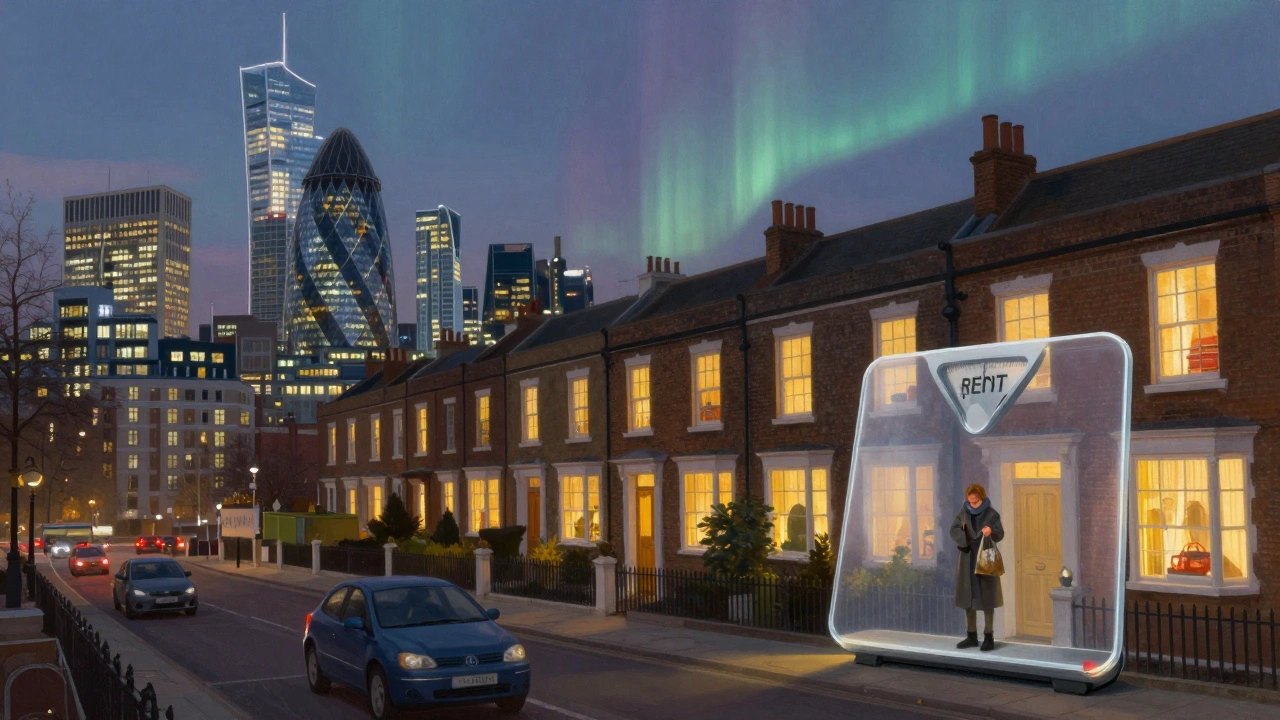
Housing eats up the largest chunk of income. In London, renting a one-bedroom flat in the city center costs between £1,750 and £3,200 a month. For a three-bedroom, you’re looking at £3,000 to £5,500. That’s more than most people earn in a month. Outside London, the numbers drop - but not enough. In cities like Sheffield or Liverpool, a similar one-bedroom rents for £750-£1,200. Still, that’s half the income for someone on minimum wage.
Buying a home is even harder. First-time buyers are now taking out 40-year mortgages just to get on the ladder. The average house price is over £290,000, but median annual income is around £35,000. That means you need to save for nearly a decade just for a deposit - and even then, lenders demand proof you can afford payments that could rise again. Many families are stuck renting forever, watching their money disappear into someone else’s bank account.
Food: What You Can’t Skip, But Can’t Always Afford
Food bills have become a daily calculation. In 2026, 92% of UK households say rising food prices are hurting them the most. Supermarkets are full of smaller packs, cheaper brands, and fewer choices. People are switching from fresh meat to canned, from branded cereals to supermarket own-label, from three meals a day to two. A family of four now spends an average of £180-£250 a week on groceries - up 28% since 2022.
It’s not just about what you buy. It’s about how much you eat. A Reddit thread from January 2026 titled “I skip lunch so my kids can eat” got over 12,000 comments. Food banks are stretched thin. The Joseph Rowntree Foundation found that 44% of Britons struggled to afford enough food in the last three months. One Manchester resident told a documentary crew, “I haven’t had a proper hot meal in three days because I had to choose between food and electricity.”
Energy Bills: Still a Shock, Even After the Help
Energy bills aren’t what they were in 2022, when the average household paid over £3,500 a year. But they’re still high. In 2026, the average annual cost is £747 for electricity and £682 for gas - excluding standing charges. That’s £1,430 a year, or about £120 a month. For pensioners and low-income families, that’s a life-or-death number.
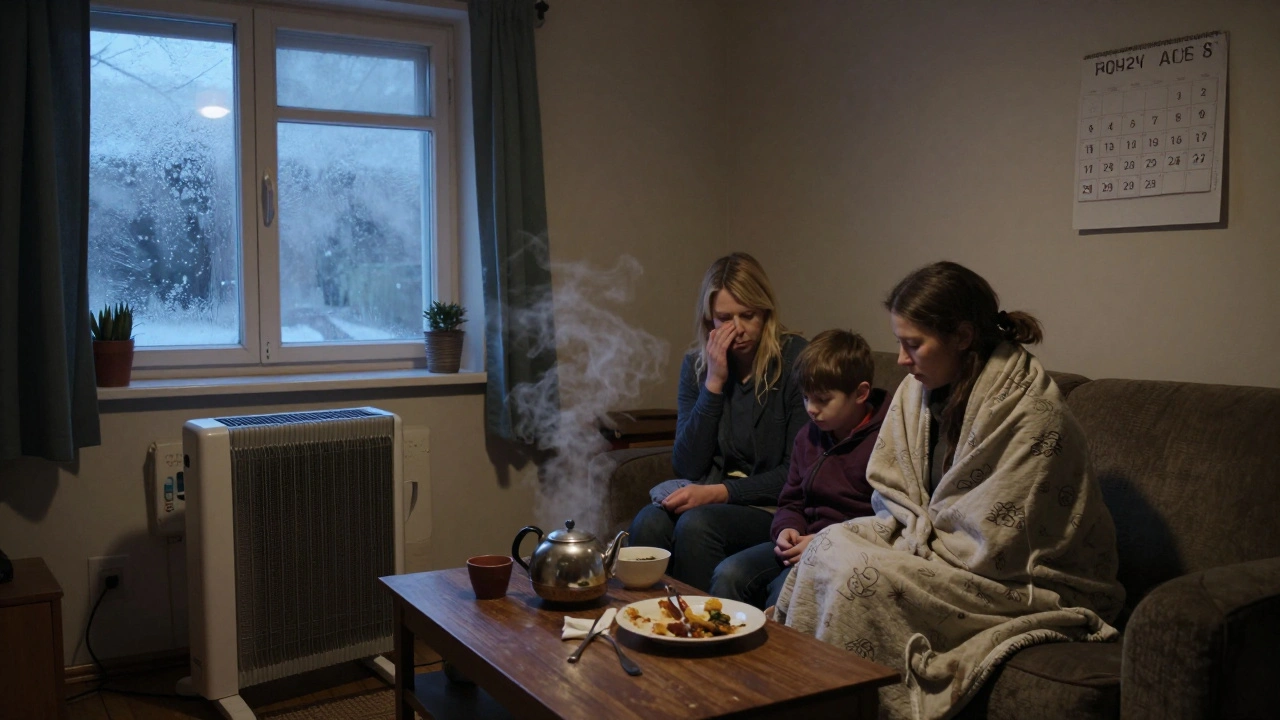
The government is helping with a £150 annual reduction on energy bills starting April 2026. But it’s not enough. The removal of Winter Fuel Payments for many older people has caused panic. Age UK reported a 300% spike in calls about heating since the change. Some families are now turning off their central heating and using only one room. Others are wearing coats indoors. The cost isn’t just money - it’s dignity.
Transport: Getting Around Costs More Than Ever
Public transport fares have jumped 15% since 2023. A monthly train pass in London now costs £180. Bus fares in Manchester and Birmingham have gone up by 20%. Many people are walking more, cycling, or cutting trips altogether. A full-time worker commuting 30 miles each way now spends over £200 a month just on travel. That’s more than the average monthly rent in 80% of UK towns.
Car ownership isn’t much better. Petrol is still around £1.50 per liter. Insurance premiums are up. MOTs and repairs cost more. For people outside major cities, a car isn’t a luxury - it’s a necessity. But it’s becoming unaffordable for the working class.
Wages: Stuck in Place While Prices Climb
The National Living Wage is rising to £11.44 per hour in April 2026. That’s a 4% increase - £900 extra a year for full-time workers. Sounds good? It’s not. Inflation has eaten up years of gains. Real wages - what you can actually buy - haven’t grown since 2009. Professor Sir Paul Johnson of the Institute for Fiscal Studies put it bluntly: “Most households have seen incomes swallowed by rising costs long before payday arrives.”
Even with the raise, someone earning minimum wage in London still can’t afford rent on a one-bedroom flat without sharing or living far from work. In the North, the gap is smaller, but so are wages. The average salary in Newcastle is £28,000. The average rent is £950 a month. That’s 40% of income - and that’s before bills, food, or transport.
Who’s Getting Hit Hardest?
The cost of living crisis doesn’t affect everyone equally. Families with children are in crisis. Child poverty after housing costs hit 30% in 2025. Households with disabled members face 37% poverty rates. Black and minority ethnic families, especially those from Pakistani and Bangladeshi backgrounds, see poverty rates of 46%.
People on benefits are squeezed too. Universal Credit tops out at £628 a month for a single adult - less than rent in most cities. Carer’s Allowance is £83.30 a week. Child Benefit is £26.05 for the first child, then £17.25 for each after. These amounts haven’t kept up with inflation since 2020. Many families rely on food banks, community pantries, or friends just to get by.
What’s Changing in 2026?
The government is trying. The £150 energy cut, the 4% wage rise, and the 4.8% increase to the State Pension (now £241.30 per week) are real help. But they’re temporary fixes. The two-child limit on welfare benefits was scrapped in early 2026, which should lift some children out of poverty. But it won’t fix housing or wages.
Experts agree: the crisis isn’t ending. It’s evolving. Energy prices are stabilizing. Food inflation is slowing. But housing remains broken. Wages remain flat. Regional inequality is widening. PwC UK says the next phase of the crisis will be about who gets left behind - not just how much things cost.
Can You Survive on Minimum Wage in the UK?
Technically, yes. Practically? No. A full-time worker on minimum wage earns £23,750 a year before tax. After tax and national insurance, that’s about £19,500. Rent in a decent one-bedroom outside London is £11,400 a year. Utilities: £1,430. Food: £3,000. Transport: £2,400. That’s £18,230 gone. That leaves £1,270 for everything else - clothes, phone, toiletries, school supplies, emergencies, holidays, car repairs, birthdays. One month of unexpected costs - a broken boiler, a hospital bill, a flat tire - and you’re in debt.
People aren’t choosing between luxuries. They’re choosing between heating and eating. Between medicine and rent. Between their kids’ shoes and their own dinner.
Is the UK the most expensive country to live in?
No, the UK is the 28th most expensive country globally, according to Numbeo’s 2026 index. It’s less expensive than the Netherlands, Ireland, and Germany, but more expensive than France and Italy. The problem isn’t that everything is expensive - it’s that wages haven’t kept up. Housing costs, in particular, are extreme compared to income, making the UK feel much more expensive than it technically is.
How much does rent cost in the UK outside London?
Outside London, rent varies widely. In cities like Sheffield, Manchester, or Liverpool, a one-bedroom flat in the city center costs £750-£1,200 a month. In smaller towns like Hull or Preston, you can find one for £600-£800. But wages are lower too. In many areas, rent still takes up 40-50% of take-home pay, which is considered unaffordable by international standards.
Why are food prices still so high in 2026?
Food inflation slowed in 2026, but prices haven’t dropped. Supply chain issues from the pandemic, higher import costs after Brexit, and extreme weather affecting global harvests all contributed. Energy costs for farming and transport also stayed elevated. Even though inflation is falling, food prices remain 20-30% higher than in 2019. For low-income families, that’s not a trend - it’s a daily struggle.
Are benefits enough to cover basic needs?
No. The maximum Universal Credit payment for a single adult is £628 a month. In most parts of the UK, that won’t cover rent alone. A one-bedroom flat in Birmingham costs £850. Even with housing benefit added, most claimants still come up short. The system is designed to be a safety net, but it’s not deep enough. Many people on benefits skip meals, delay medical care, or rely on charities just to survive.
What’s the outlook for 2027?
Experts don’t expect the cost of living crisis to end in 2027. Inflation may fall below 3%, but wages aren’t rising fast enough. Housing supply is still far below demand. Regional inequality is growing. Without major policy changes - like building more affordable homes, reforming welfare, or raising wages significantly - millions will continue to live paycheck to paycheck. The crisis isn’t over. It’s just becoming harder to ignore.


About Author
