What big things are happening in the world today? Key global events shaping 2026
Global Crisis Impact Calculator
Enter Crisis Factors
How It Works
Based on real-world data from the article, this calculator estimates regional instability risk by combining:
- Inflation (affects survival migration)
- Political stability (coup risk)
- Humanitarian crisis (food/health access)
- Migration pressure (regional impact)
Data sources: UN, IOM, International Crisis Group
Right now, the world isn’t just changing-it’s unraveling in places we thought were stable. From military takeovers to mass migrations, the big stories aren’t hiding behind headlines. They’re driving real lives off the map, out of homes, and into uncertainty. If you’re wondering what’s actually going on beyond the noise, here’s what’s real as of early 2026.
Myanmar’s elections are a sham
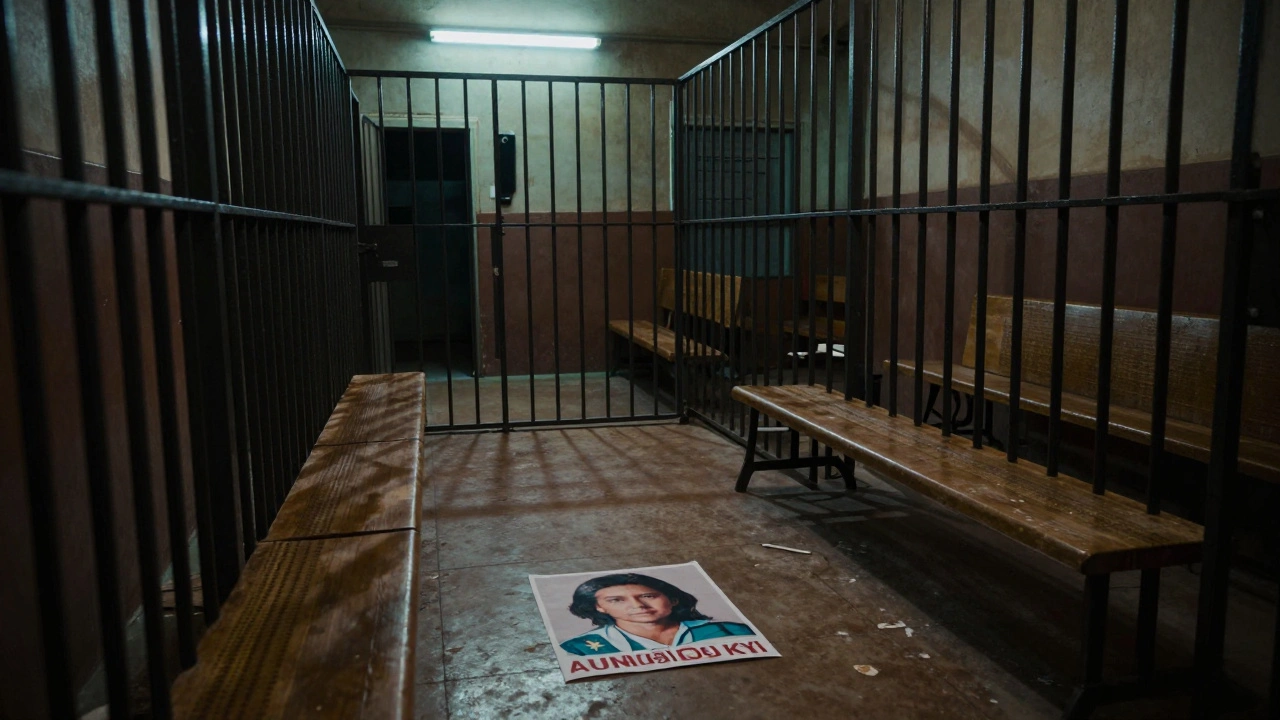
The military junta in Myanmar is holding elections in December 2025, but calling them an election is misleading. Over 10,000 political activists and civilians remain imprisoned. Major parties like Aung San Suu Kyi’s NLD have been banned. The UN says the vote will happen in an atmosphere of fear, not choice. Experts from Brookings predict voter turnout could drop below 15%. That’s not democracy. That’s a performance. The world watches, but sanctions haven’t cut deep enough. The junta still controls mines, timber, and jade exports-funding their grip on power while families starve.
Burkina Faso just pulled the plug on democracy
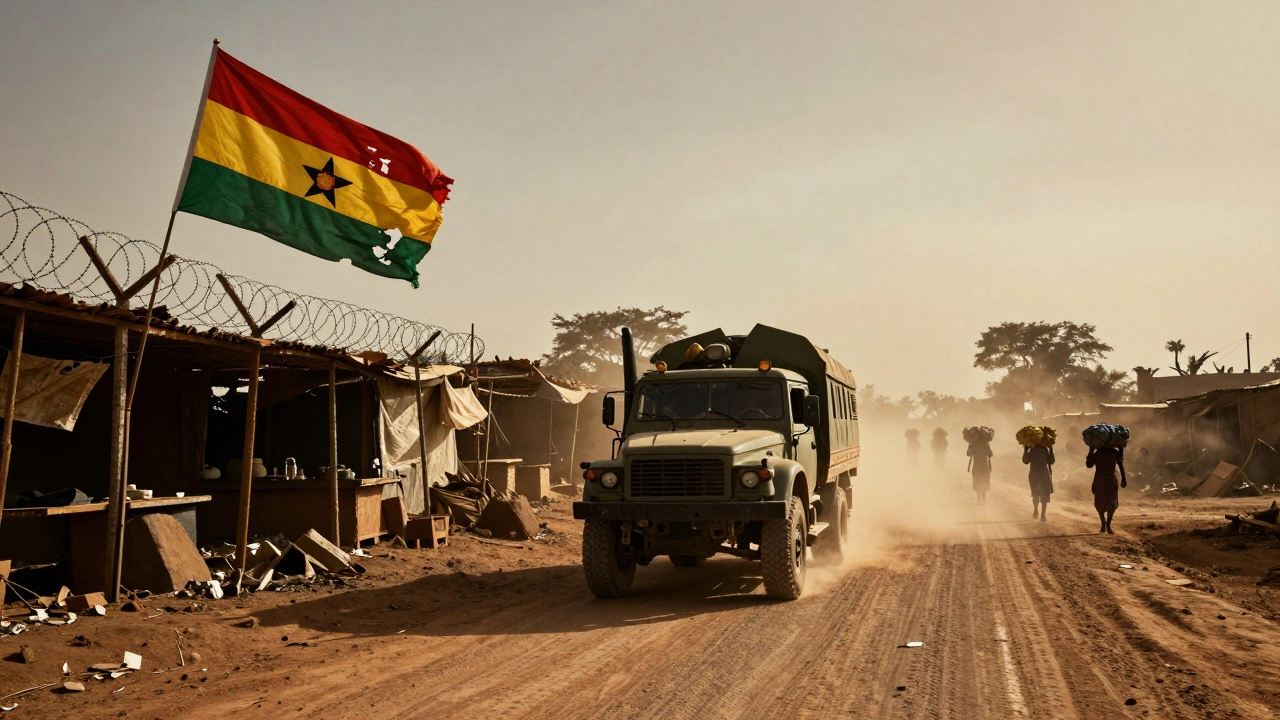
Three years after Captain Ibrahim Traoré seized power, Burkina Faso has gone full autocrat. He postponed elections until 2029, shut down the independent electoral commission, and walked away from both ECOWAS and the International Criminal Court. This isn’t just isolation-it’s a rejection of every international norm meant to protect civilians and hold leaders accountable. Experts at the African Governance Institute warn this could be contagious. Other Sahel nations like Mali and Niger are watching. If Burkina Faso gets away with it, more will follow. The result? A growing zone of lawlessness stretching from Mauritania to Nigeria, where armed groups thrive and humanitarian aid is blocked.
Guinea-Bissau’s coup is the seventh in West Africa since 2020
Just days after a peaceful election in Guinea-Bissau, the military overthrew the president. The UN called it a “grave violation.” The International Crisis Group says this is the seventh military coup in West Africa since 2020. That’s not coincidence. It’s a pattern. In countries where poverty is high and institutions are weak, soldiers see themselves as the only ones who can “fix” things. But every coup weakens the rule of law further. It scares off foreign investment. It makes peace talks impossible. And it leaves civilians trapped between armed groups and starving economies. The region is becoming a cautionary tale: when democracy dies, it doesn’t fade-it collapses.
Millions are fleeing South and Southeast Asia because they can’t survive
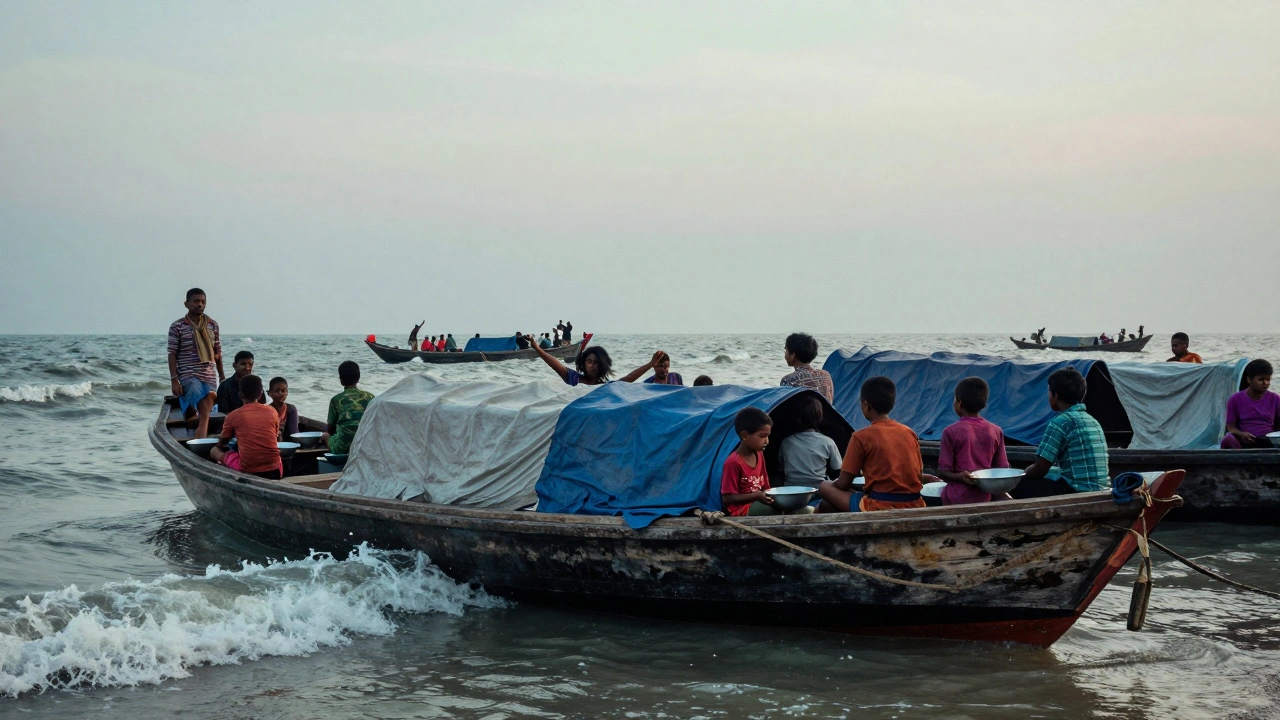
Inflation in six major Asian economies is above 8%. Households are cutting food in half. Jobs are vanishing. Healthcare and schools are crumbling. The International Organization for Migration reports a 37% jump in irregular migration across the Bay of Bengal since January 2025. Over 2.1 million people are on the move-many in unsafe boats, many with children. They’re not fleeing war. They’re fleeing hunger. And the countries they’re trying to reach-Thailand, Malaysia, Indonesia-are already overwhelmed. No one has a plan. No border wall can stop desperation. This isn’t a refugee crisis. It’s a survival migration, and it’s accelerating.
International solidarity for Palestine is stronger than ever
On November 29, 2025, the International Day of Solidarity with the Palestinian People saw over 8.7 million posts on social media under #SolidarityWithPalestine. The UN called for an immediate humanitarian ceasefire in Gaza. Reddit threads on r/worldnews exploded with 24,000 comments demanding action. This isn’t just protest. It’s a global awakening. Young people in New Zealand, Brazil, and India are organizing. Universities are divesting. Even corporations are quietly reconsidering ties to companies linked to occupation. The Palestinian cause is no longer seen as a distant conflict. It’s a human rights test-and the world is failing it.
The world is trying to fix transport-and New Zealand is leading
On World Sustainable Transport Day, the UN launched the first Global Sustainable Transport Index. Norway, Switzerland, and New Zealand ranked highest. Why? Because we’ve invested in electric buses, bike lanes, and rural transit that actually works. We didn’t wait for a crisis. We built systems that connect people without polluting. The index measures emissions, accessibility, safety, and affordability. Countries like India and Nigeria are scrambling to catch up. But this isn’t just about cars. It’s about dignity. When a mother in a village can get her child to school without walking 10 kilometers, that’s progress. And it’s happening where policy meets purpose.
The G20 and ASEM failed to deliver real change
The G20 met in November 2025. Leaders talked about climate, debt, and AI. But no binding agreements were signed. No new funding was pledged for the Global South. The Asia-Europe Meeting (ASEM) echoed the same empty phrases: “strengthening multilateralism.” But multilateralism is broken when countries like Burkina Faso leave it. When Myanmar ignores it. When migration is treated as a border issue, not a human one. Summits matter only if they change lives. Right now, they’re photo ops.
What comes next?
These aren’t isolated events. They’re connected. The same systems that let dictators stay in power also let corporations exploit poor countries. The same inflation that pushes families to migrate is fueled by global supply chains that ignore human cost. The same silence that follows coups in West Africa echoes in the lack of action on Gaza.
The world doesn’t need more summits. It needs accountability. It needs sanctions that hurt the right people. It needs aid that doesn’t come with strings. It needs leaders who listen-not just to each other, but to the people on the ground.
Right now, the big things happening aren’t in boardrooms. They’re in refugee camps, in detention centers, in villages where the last school closed last month. They’re in the quiet courage of people who keep going when the world looks away.
If you want to know what’s really going on-look where the light doesn’t reach.
Why is Myanmar’s election not considered legitimate?
Myanmar’s upcoming vote excludes major political parties like the NLD, detains over 10,000 activists, and occurs under military rule with no independent oversight. The UN and human rights groups say it’s designed to legitimize dictatorship, not democracy. Voter turnout is projected to be under 15%, making it a symbolic exercise, not a real election.
What’s happening in Burkina Faso that’s so dangerous?
Burkina Faso’s military leader, Captain Traoré, has dissolved democratic institutions, delayed elections until 2029, and withdrawn from key regional and international bodies like ECOWAS and the ICC. This sets a precedent for other Sahel nations to abandon global norms, weakening regional security and emboldening authoritarianism. Experts warn it could trigger a domino effect across West Africa.
Why are so many people migrating from South and Southeast Asia?
Six major economies in the region have inflation above 8%, forcing households to cut food and healthcare spending. Jobs are disappearing, schools are closing, and social safety nets are gone. The IOM reports a 37% rise in irregular migration since early 2025, with over 2.1 million people moving through dangerous routes like the Bay of Bengal-not for opportunity, but to survive.
Why is New Zealand ranked high in sustainable transport?
New Zealand leads because it prioritizes public transit, electric buses, and safe cycling infrastructure-even in rural areas. The UN’s Global Sustainable Transport Index measures accessibility, emissions, affordability, and safety. Unlike many countries that focus only on cities, New Zealand ensures even remote communities have reliable, low-carbon transport options.
Are global summits like G20 actually helping?
Not really. G20 and ASEM meetings produce statements, not solutions. No binding commitments on climate, debt relief, or migration have been made since 2024. They’re forums for diplomacy, not action. Real change comes from grassroots pressure, sanctions on corrupt regimes, and aid that reaches people directly-not from leaders shaking hands on stage.
How can I help with these global issues?
Support credible NGOs working on the ground-like the International Crisis Group, IOM, or UN agencies. Demand your government impose targeted sanctions on military regimes. Avoid companies linked to exploitation in conflict zones. Use your voice on social media to amplify verified reports. And don’t assume these problems are too big to fix-change starts when enough people refuse to look away.

About Author
