UK News Today: Religious Shifts, Interfaith Tensions, and the Battle Over Church Attendance Data
Religious Attendance Calculator
Official Church Attendance Statistics
The Church of England reports:
Weekly attendance: Only 4.5% of the UK population
Historical trend: Down from 12.4% in 2000
Recent change: 0.6% increase between 2023-2024 (small but notable)
Why these numbers matter:
These statistics come from verified attendance records (not surveys), making them the most reliable source for understanding actual church participation in the UK. However, they can't capture the full picture of religious engagement in society.
Survey Data Analysis
How survey data can be misleading:
Why Data Reliability Matters
The battle over church attendance data isn't just academic—it impacts real decisions:
Church Funding
Funding decisions based on attendance data can affect community services and staff
Policy Decisions
Data influences government and church policies
Community Support
Funds are allocated based on attendance figures
Key takeaway:
The article shows how different data sources can paint dramatically different pictures of reality. The Church of England's official data shows 4.5% weekly attendance, but a flawed survey claimed 16% of young men attend—leading to false narratives about growth. Always ask: How was the data collected? Is it representative?
UK News Today: Religious Shifts, Interfaith Tensions, and the Battle Over Church Attendance Data
On February 2, 2026, the UK’s news cycle wasn’t dominated by politics or the economy-it was shaped by faith. Not the kind you hear about in sermons, but the messy, real, sometimes contradictory ways religion is changing in Britain today. The headlines weren’t about protests or scandals. They were about data, definitions, and deeply held beliefs clashing in quiet church halls, community centers, and government offices.
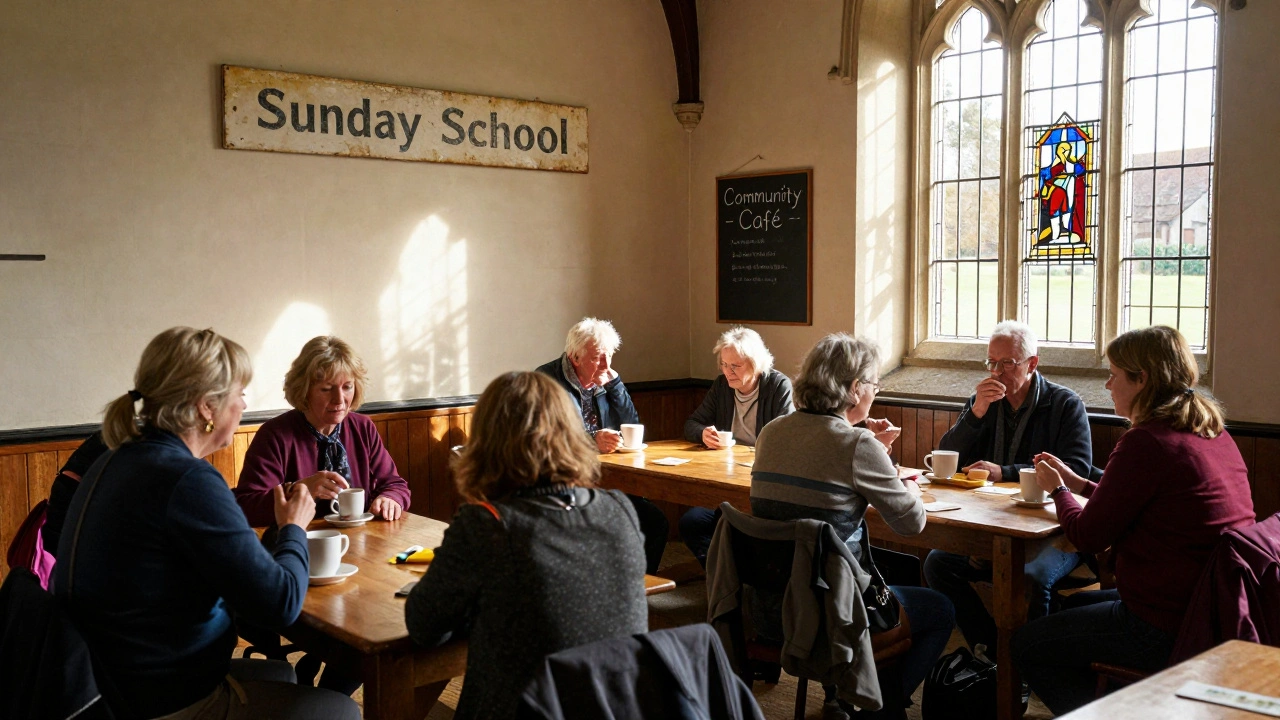
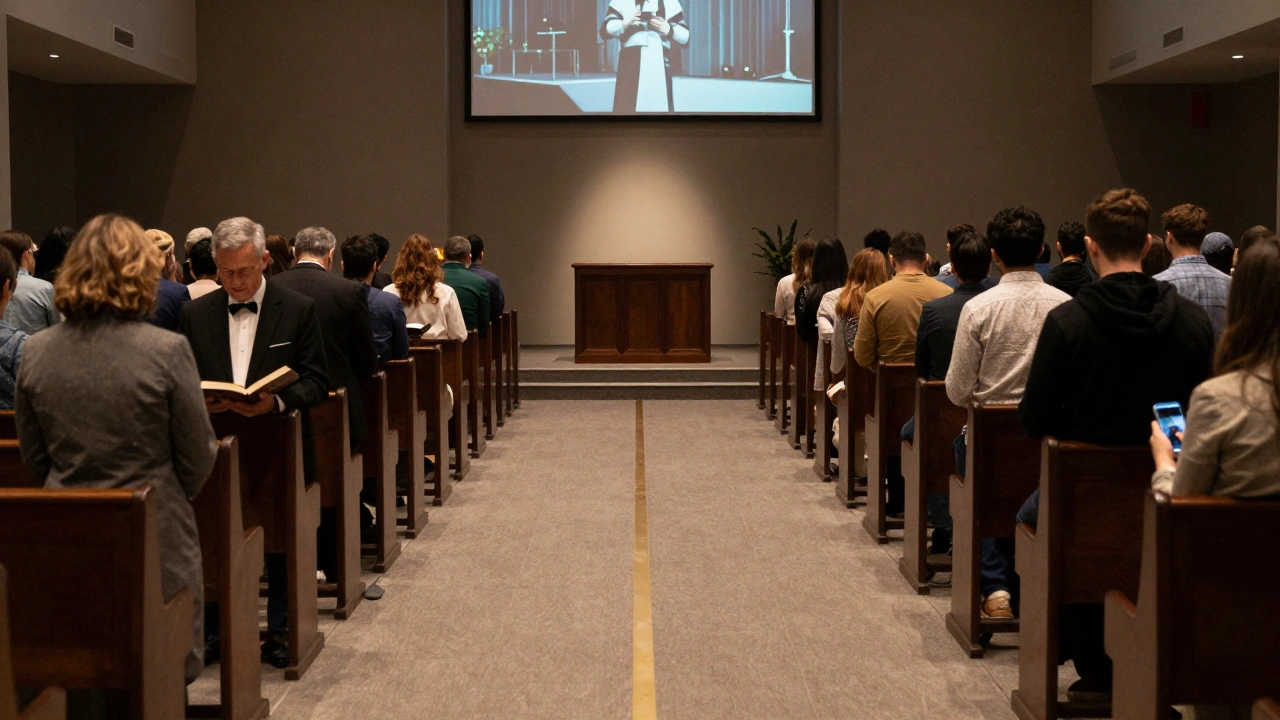
The Church of England reported a 0.6 percent increase in attendance between 2023 and 2024. It’s not a boom. But after years of steady decline, even a small uptick felt like a lifeline. Clergy shared stories at a London conference: a rural parish that turned its closed-down Sunday school into a community café, drawing in families who stayed for the coffee and ended up staying for the service. Another in Manchester started evening prayer nights for young professionals, offering quiet space amid the city’s noise. These aren’t national trends yet. But they’re real. And they matter.
But here’s the problem: not everyone agrees these numbers mean what they seem to say. A survey by Bible Society and YouGov claimed church attendance among young men jumped from 4% to 16% between 2018 and 2024. That’s a 300% increase. It made headlines. But it was based on an opt-in survey-people who chose to respond, often because they already cared about church. Meanwhile, the British Social Attitudes survey, which uses random sampling of thousands of households, showed the opposite: Christian affiliation kept falling, especially among Gen Z. Only 8% of 18-24-year-olds said they attended church regularly. That’s the real picture, say social scientists at King’s College London. The YouGov data? A mirage.
This isn’t just academic. It’s about money, power, and identity. Churches are making decisions based on which numbers they believe. And one of the biggest flashpoints is the Ephesian Fund. In 2025, nearly £10 million was redirected from diocesan payments into this alternative fund. It’s not a scandal-it’s a workaround. Churches that oppose same-sex blessings can now send their contributions here instead of to the Church of England’s central structure. The fund then sends the money right back, but only to churches that still teach traditional marriage. One vicar in Yorkshire put it plainly: “We’re not leaving the Church. We’re just making sure our donations don’t fund things we can’t support in conscience.” Another said it helped families stay in the pews without feeling like they were betraying their beliefs.
That’s creating a quiet split. Not a schism. Not yet. But a slow drift. The General Synod will debate whether to allow this system to continue in March. Archbishop Justin Welby is reportedly pushing for a “middle way”-a compromise that lets both sides stay in the same church, even if they don’t agree on everything. It’s a fragile balance. Too much flexibility, and traditionalists feel erased. Too little, and progressives feel boxed in.
Interfaith Leaders Unite Against Government Definition of Islamophobia
On the same day, Muslim, Sikh, Hindu, and Christian leaders sat down together-not to pray, but to protest. They signed a joint letter to Communities Secretary Steve Reed, asking the government to scrap its plan to define “Islamophobia.” The draft, developed by a working group under the Department for Levelling Up, Housing and Communities, worried them. Not because they didn’t want to tackle discrimination. But because the wording could silence legitimate debate.
What’s the fear? That calling out practices like halal slaughter, gender segregation in mosques, or restrictions on women’s roles in religious leadership could be labeled “Islamophobic.” That’s not about hate. It’s about theology. And for many faith leaders, freedom to discuss these things-even critically-is part of their religious duty. “We don’t need the state to tell us what’s offensive,” said a Sikh community leader from Birmingham. “We need space to talk, even when it’s uncomfortable.”
The government insists the definition won’t restrict free speech. But the timing is tense. With the consultation ending on February 28, 2026, and final recommendations due by April, communities are bracing. The fear isn’t just about legal consequences. It’s about cultural erosion. If you can’t question a practice without being accused of bigotry, where does dialogue end and censorship begin?
Revival in Margate: A Jewish Community Reclaims Its Roots
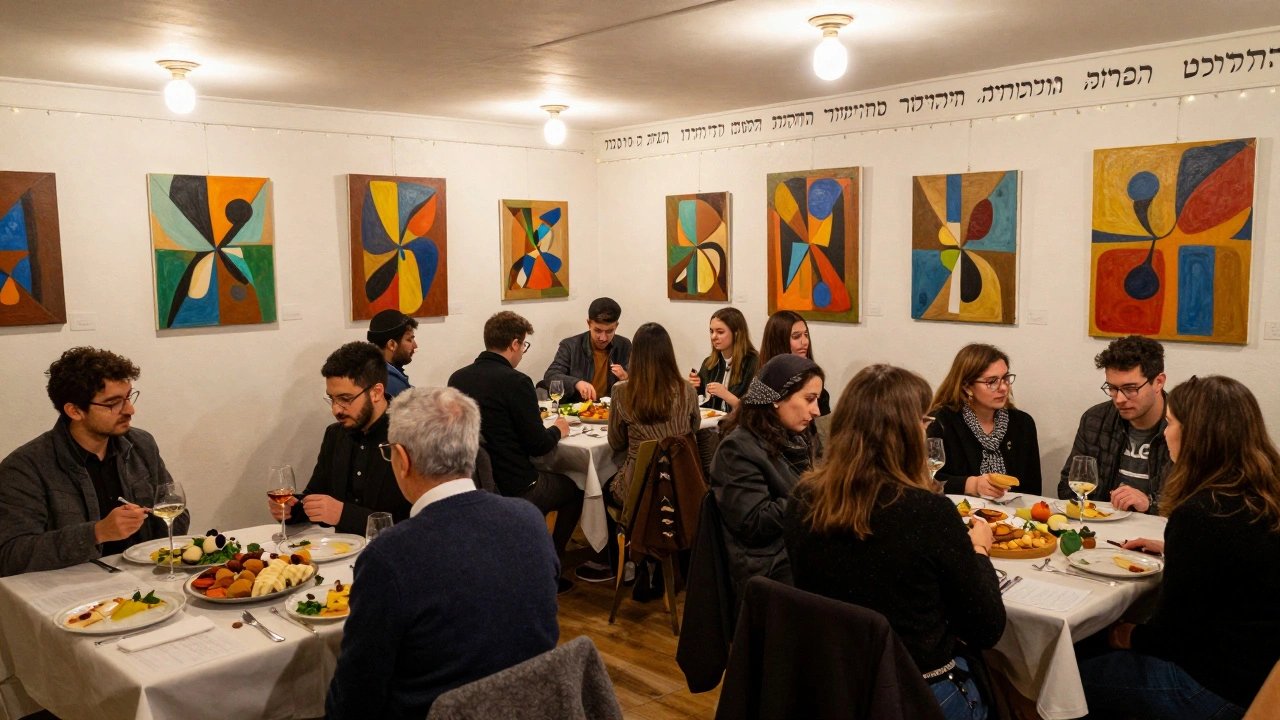
While the Church of England wrestles with internal divisions, a different kind of renewal is happening on the southeast coast. Margate, once a fading seaside town known for pensioners and donkey rides, is becoming a hub for Jewish life again. The Jewish Chronicle reported a surge in new families moving in-artists, musicians, educators-drawn by affordable housing and a growing sense of community. New kosher restaurants opened. An art collective turned an old synagogue basement into a gallery. A youth group started a monthly Shabbat dinner that now draws over 120 people.
This isn’t accidental. It’s the result of the Jewish Renaissance Project at King’s College London, which has invested in infrastructure-funding synagogue repairs, supporting Hebrew classes, and helping young families find housing. The project predicts a 22% growth in Margate’s Jewish population over the next five years. That’s not just numbers. It’s a revival. Sir Moses Montefiore, the 19th-century philanthropist who once owned land here, would recognize the spirit. Just not the soundtrack. Now, it’s jazz nights at the synagogue, not just prayers.
Religious Media Is Growing-Even as Attendance Declines
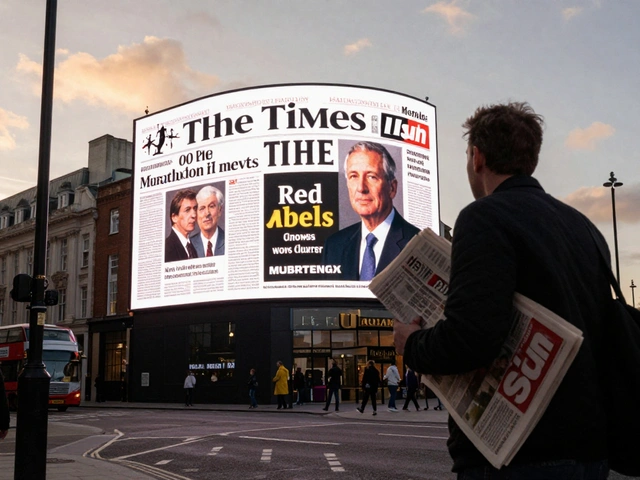
There’s a strange paradox in the UK’s religious landscape. Fewer people go to church. But more people are watching religious content online and on TV. Ofcom reported 17.8 million unique monthly visitors to major UK faith organization websites in 2025-a 5.7% jump from the year before. BBC religious programming saw a 3.2% rise in viewership. Podcasts about prayer, meditation, and spiritual doubt are climbing the charts. One, called “Faith in the Fog,” hit 2.3 million downloads in six months.
Why? Maybe it’s because people still crave meaning, even if they don’t want to sit in a pew. Maybe it’s because the internet lets you explore faith on your own terms-no pressure, no judgment. Or maybe it’s just that the Church of England’s own stats are clear: only 4.5% of the UK population attends weekly services. Down from 12.4% in 2000. The institution is shrinking. But the hunger for spiritual connection? It’s adapting.
What’s Next? The Data Will Decide
On February 15, 2026, the Church of England will release its annual statistical digest. That report will be the most authoritative snapshot of church life in Britain this year. It’ll use verified attendance records, not self-reported surveys. It’ll show whether the 0.6% growth is a fluke-or the start of something real.
Meanwhile, the Islamophobia definition consultation ends on February 28. The final decision will shape how Britain talks about religion for years. Will it protect minority communities? Or will it chill open discussion? The answer will come from a government panel, but it will be lived out in classrooms, mosques, and family dinners.
And by 2030, demographers at the Westminster Faith Debates predict only 42.3% of the UK population will identify as Christian. Nearly half will say they have no religion. Minority faiths will make up 9%. That’s not a crisis. It’s a transformation. The question isn’t whether religion is dying. It’s what it’s becoming.
Is the Church of England really growing?
There’s a 0.6% increase in attendance between 2023 and 2024, but it’s not clear if this is a trend or a blip. The Church’s own data shows only 4.5% of the UK population attends weekly services-down from 12.4% in 2000. A controversial YouGov survey claimed big gains, especially among young men, but experts say it’s unreliable because it relied on self-selecting respondents. The official 2026 statistical digest, due February 15, will give a clearer picture using verified records.
What is the Ephesian Fund and why is it controversial?
The Ephesian Fund is a financial mechanism created by conservative Church of England congregations who oppose same-sex blessings. Instead of sending money to the diocese, they redirect it to this fund, which then returns the full amount only to churches that uphold traditional marriage teachings. Nearly £10 million flowed through it in 2025. Critics say it fragments the Church. Supporters say it lets people stay in the Church of England without compromising their beliefs. The General Synod will debate its future in March 2026.
Why are faith leaders opposing the government’s Islamophobia definition?
Muslim, Sikh, Hindu, and Christian leaders fear the proposed definition could be used to silence legitimate religious debate. They worry terms like “halal slaughter,” “gender segregation,” or “women’s roles in worship” could be labeled Islamophobic, even when discussed critically or theologically. The government insists free speech won’t be restricted, but with the consultation ending February 28, 2026, many fear the wording will be used to punish dissent.
Is the Jewish community in Margate really growing?
Yes. After decades of decline, Margate is seeing a revival. New kosher businesses, art collectives, and young families have moved in, drawn by affordable housing and cultural initiatives. The Jewish Renaissance Project at King’s College London has invested in infrastructure, and projections show a 22% population increase over the next five years. It’s not just a tourist spot anymore-it’s becoming a living Jewish community again.
Why are more people watching religious content online if fewer are going to church?
People still seek meaning, community, and spiritual reflection-but they want it on their own terms. Online platforms let them explore faith without pressure to conform. BBC religious programming saw a 3.2% rise in viewership in 2025, and 17.8 million people visited UK faith websites monthly. Podcasts and YouTube channels on prayer, doubt, and meditation are booming. The church building is fading. The search for the sacred is evolving.

About Author
