How to Tell If It's COVID or a Cold in 2026: Symptom Guide Based on Latest Data
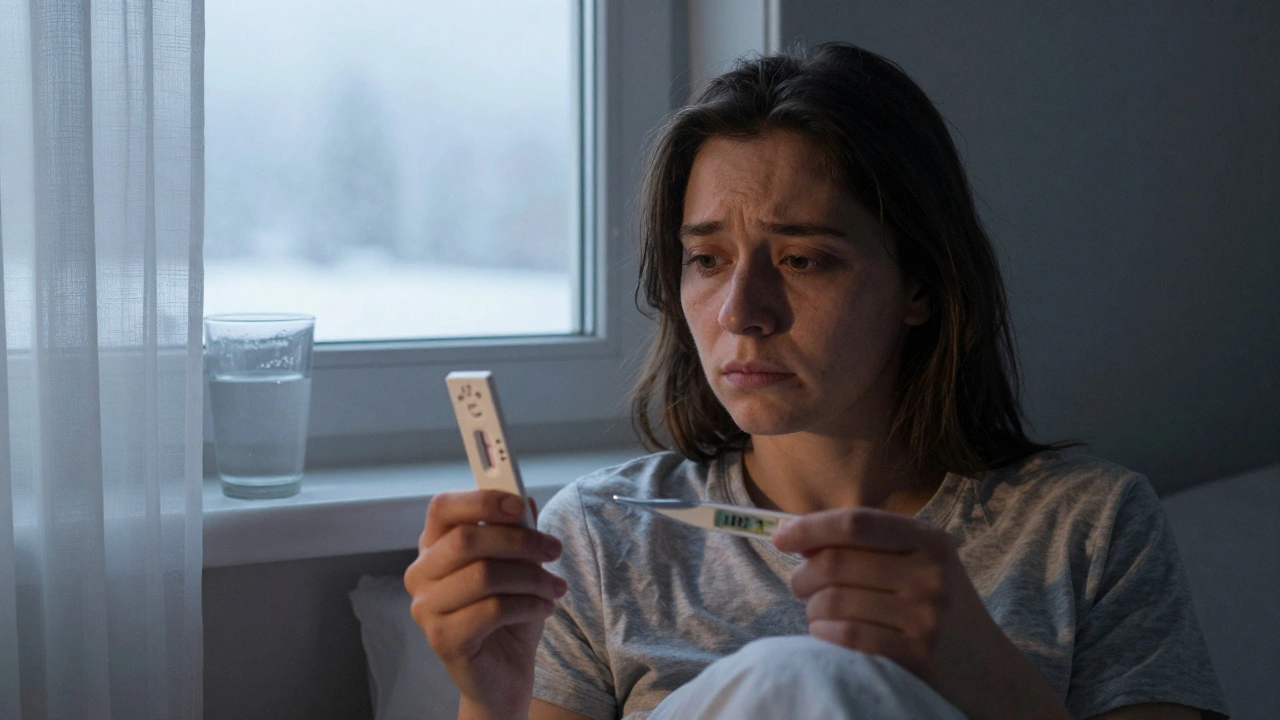
It’s January 2026, and respiratory viruses are back in full swing. You wake up with a stuffy nose, a scratchy throat, and a low-grade headache. Is it just another cold? Or could it be COVID-19? The answer isn’t as simple as it used to be. With new variants circulating and symptoms shifting, the old rules don’t always apply anymore. But you don’t need a doctor’s visit to make a smart first call. Here’s what actually matters right now.
Feeling Feverish? That’s a Big Clue
If you have a fever, it’s far more likely to be COVID than a cold. In fact, fever shows up in about 69% of confirmed COVID-19 cases, according to CDC data from January 2026. For a common cold? Only 12% of adults get a fever - and when they do, it’s usually mild, under 101.3°F (38.5°C). With COVID, fevers often hit 102°F or higher and stick around for days. If you’re running a temperature, especially if it’s above 101°F, treat it like a red flag until proven otherwise.Loss of Taste or Smell? Almost Always COVID
This one hasn’t gone away. Even with the latest JN.1 Omicron subvariant, which causes more runny nose and less lung involvement, loss of taste or smell still happens in nearly 43% of COVID cases. For colds? It’s practically nonexistent - only 0.8% of cases report it. If you suddenly can’t taste your coffee or smell your morning toast, that’s not a coincidence. It’s a strong signal. In a UCSF Health study of 15,000 patients, the combination of fever and loss of taste/smell predicted COVID with 92.7% accuracy. No cold does that.Fatigue That Won’t Quit
Everyone gets tired when they’re sick. But with a cold, fatigue fades after a day or two. With COVID, it’s different. Eighty-nine percent of people with confirmed COVID report severe fatigue - the kind that makes you cancel plans, skip meals, and nap on the couch for hours. It doesn’t just go away after 48 hours. In fact, the median duration of fatigue in COVID cases is over 10 days. If you’re exhausted and it’s day three and you’re still not moving, that’s not just “being under the weather.” That’s your body fighting something deeper.Muscle Aches and Headaches? Look Closer
A mild headache? Maybe a cold. A pounding headache that feels like a vice around your skull? More likely COVID. Headaches appear in 78% of confirmed cases, compared to just 19% with colds. Muscle aches are even more telling. Sixty-four percent of people with COVID report body aches - not just soreness, but deep, full-body pain. For colds? Only 1.2% report it. If you feel like you’ve been hit by a truck and your joints are stiff, don’t brush it off as “just a bad night’s sleep.”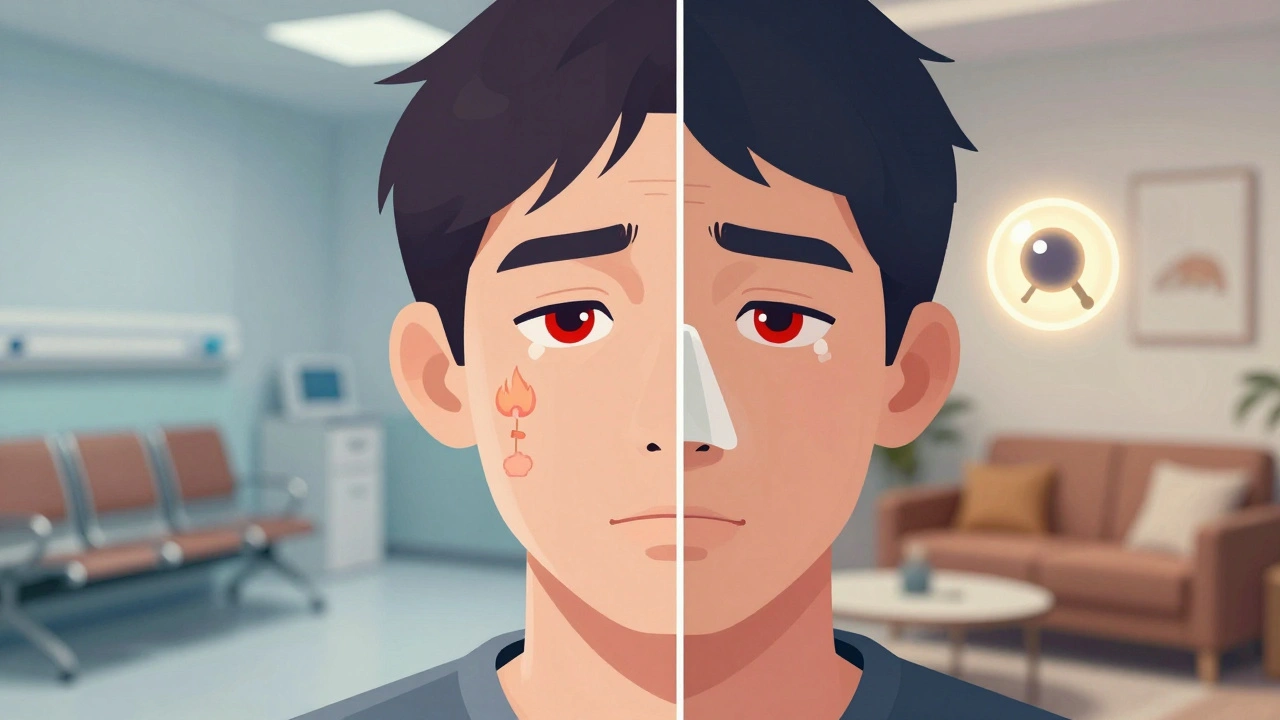
Nasal Stuffiness? It’s the Trickiest One
This is where things get muddy. Both COVID and colds cause runny or blocked noses. In fact, 68% of current COVID cases have nasal symptoms - almost as high as the 76% seen in colds. The difference? Timing. With a cold, congestion hits fast - often on day one. With COVID, it tends to show up later, around day two or three, and often comes with other symptoms like fatigue or fever. If your nose is stuffed up but you feel fine otherwise, it’s probably a cold. But if your nose is running and you’re also exhausted and achy? That’s not just a cold.Shortness of Breath? Don’t Wait
If you’re struggling to catch your breath, walking up stairs feels like climbing a mountain, or you feel tightness in your chest - this isn’t a cold. Shortness of breath shows up in less than 0.3% of cold cases. In COVID, it’s present in nearly 28% of cases. Even mild cases can develop this. If you notice it, especially if it’s new or getting worse, get tested immediately. Don’t assume it’s allergies or stress. Respiratory distress is a clear signal to act.The F-A-C-T-S Rule: A Quick Mental Check
Doctors are using a simple mnemonic to help patients sort things out: F-A-C-T-S.- Fever - Higher and more common in COVID
- Aches - Severe muscle pain? Likely COVID
- Conjunctivitis - Red, irritated eyes? Seen with some variants
- Taste/Smell loss - Almost always COVID
- Severity progression - Colds get better after day 3. COVID often gets worse between days 5-8
Testing Is Still the Only Real Answer
Symptoms can trick you. Even experts admit symptom-based guesses are only about 68% accurate. That’s why testing matters. Rapid antigen tests are 85% reliable when used during the first 4 days of symptoms. The CDC recommends testing if you have any of these: fever, fatigue, or loss of taste/smell - no matter your vaccination status. If you’re unsure, test on day 2 or 3. If the test is negative but symptoms keep getting worse, test again on day 4. False negatives happen, especially early on. Don’t rely on one test if you still feel off.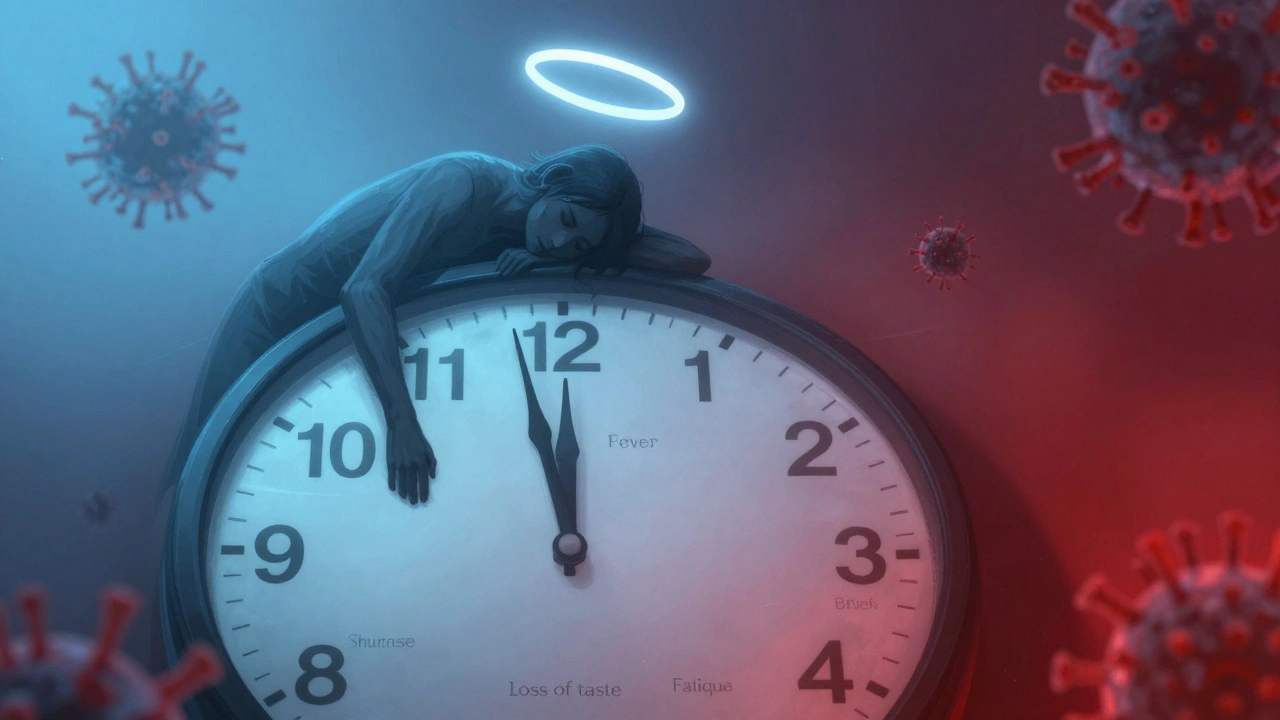
What About the New Variants?
The JN.1 variant, which makes up nearly 99% of cases in early 2026, is sneaky. It causes more upper respiratory symptoms - runny nose, sore throat, cough - and less severe lung issues than earlier strains. That means the line between cold and COVID is thinner than ever. In fact, the symptom difference between JN.1 and a typical cold is now just 12.4% apart, compared to nearly 30% with the original virus. That’s why public health officials now say: Don’t assume. Test. Symptom-based isolation rules are officially out. Everyone with respiratory symptoms should act like it could be COVID until proven otherwise.When to See a Doctor
You don’t need to rush to the ER for every sniffle. But if you have:- Difficulty breathing or chest pain
- Confusion, dizziness, or trouble staying awake
- Fever above 103°F that won’t break
- Symptoms that worsen after day 5
What to Do Right Now
Here’s your simple action plan:- Check for fever, fatigue, or loss of taste/smell. If any are present, test immediately.
- Stay home. Even if you think it’s a cold, treat it like COVID until you know for sure.
- Test on day 2 or 3. If negative but symptoms persist, test again on day 4.
- Hydrate, rest, and monitor for worsening symptoms.
- If you’re high-risk (over 65, immunocompromised, or have chronic illness), call your doctor at the first sign of symptoms.
Final Thought: Don’t Guess. Test.
We’ve been told for years that colds and flu are “just part of life.” But COVID isn’t just another virus. It’s still spreading. It still causes long-term issues in 15% of cases. And it still overwhelms hospitals during surges. The tools to stop it - testing, antivirals, masks - are still here. You don’t need to panic. But you do need to be smart. If you’re sick, assume it could be COVID. Test. Isolate. Protect others. That’s how we keep things from going backward.

About Author
