What Is the Latest Global News Today? Trump, India, and Europe in Crisis
Tariff Impact Calculator
Calculate how the proposed tariffs on Danish goods could affect your purchases. Based on article data: 10% tax effective now, rising to 25% by June 2026.
Price Impact
On January 21, 2026, the world is watching as three major crises unfold at once-diplomatic showdowns, economic shocks, and security alerts-all happening in real time. This isn’t just another day of headlines. It’s a turning point.
Trump’s Greenland Gamble Shakes NATO
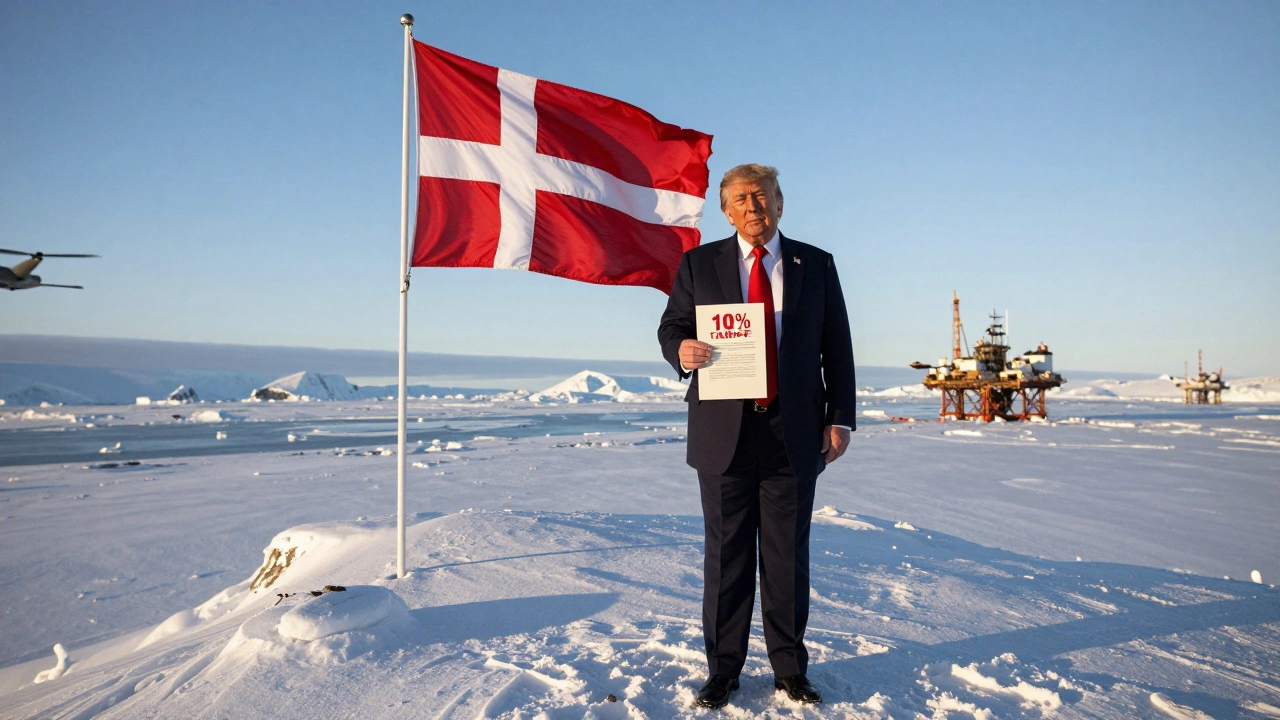
President Donald Trump arrived in Davos, Switzerland, with one clear goal: to buy Greenland. Not lease it. Not negotiate. Buy it. He’s backing that demand with tariffs. A 10% tax on Danish goods went into effect this week, and it’s set to climb to 25% by June. The move sent shockwaves through markets. The S&P 500 dropped 2.1% on January 20-the biggest single-day fall since October 2025. JPMorgan Chase estimates consumer prices in the U.S. could rise 1.8% to 2.3% across electronics, cars, and luxury goods as companies pass on the costs. Denmark’s Prime Minister Mette Frederiksen didn’t mince words: “Greenland is not for sale.” Her statement wasn’t just political theater. It was a declaration of sovereignty. Greenland’s population is about 56,000. Its economy is $3.4 billion. Denmark’s is $402 billion. The real target isn’t land-it’s control of the Arctic. Shipping lanes, rare minerals, and military positioning are at stake. Only Hungary, among NATO allies, has shown any openness to talking. France, Germany, and Britain have shut the door. French President Emmanuel Macron called Trump’s approach “the law of the strongest” during his Davos speech. No names were said. Everyone knew who he meant.India Pulls Families From Bangladesh Amid Rising Tensions
Halfway across the world, India made a rare and serious move. At 6:00 AM IST on January 21, India began evacuating families of its diplomats from Dhaka. The reason? Specific, credible intelligence about threats to personnel. This isn’t a routine security upgrade. It’s a signal. The Indian government doesn’t do this unless it believes lives are in danger. The timing isn’t random. Just hours before the evacuation, Chinese and Bangladeshi officials visited the Teesta River region-right next to India’s “Chicken’s Neck,” a 22-kilometer-wide strip of land that connects mainland India to its northeastern states. It’s one of the most vulnerable points in India’s geography. Satellite images from ISRO show new Bangladeshi monitoring infrastructure built within 5 kilometers of the border. Experts at MIT’s Security Studies Program call this “salami-slicing”-small moves that add up to big strategic shifts. India responded with a diplomatic demarche, not military action. But it’s now on high alert along its 1,064-kilometer border with Bangladesh. Social media in India exploded. On Koo, over 1.2 million posts flooded in within four hours. Verified accounts like @StratBharat pointed to possible links with Bangladeshi-based militant groups. The Federation of Indian Chambers of Commerce & Industry told member companies to raise security budgets by 25-30% for operations in Bangladesh. Bilateral trade, worth $12.8 billion in 2025, is now at risk of a 15-20% drop.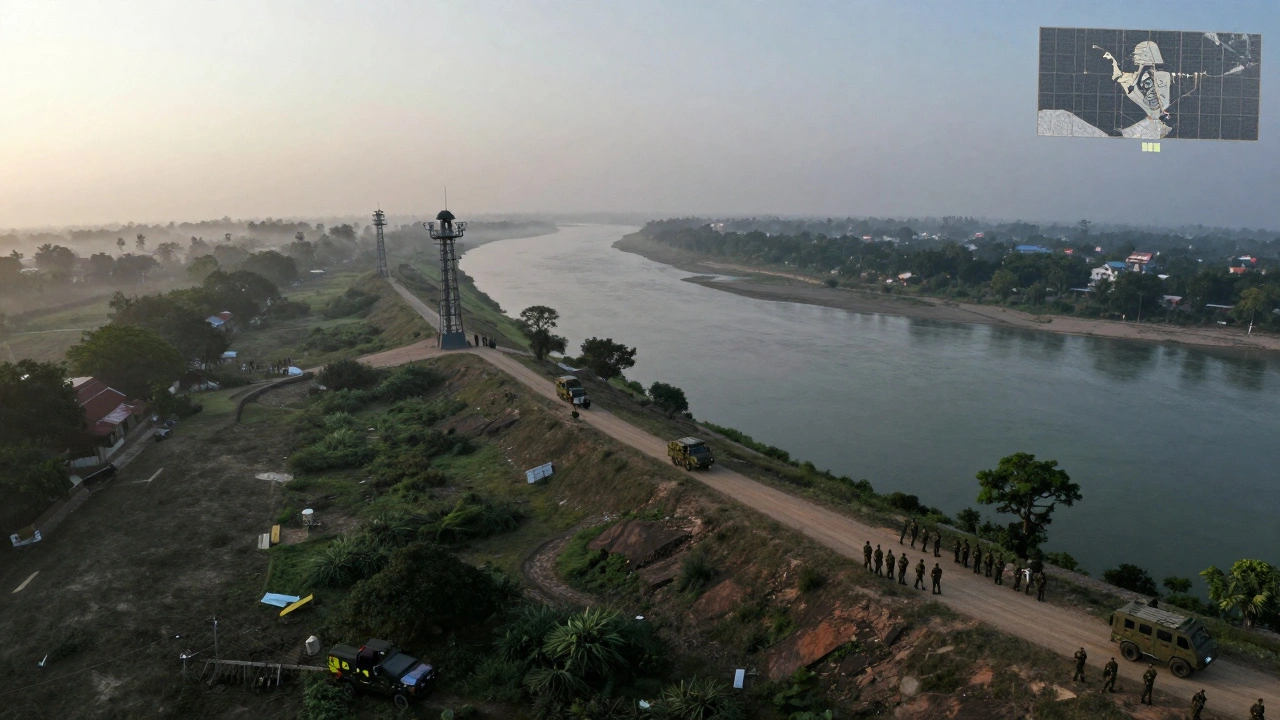
U.S. Freezes Immigrant Visas Without Warning
While the world focused on Davos and South Asia, the U.S. State Department quietly dropped another bomb. Effective 12:01 AM EST on January 21, all immigrant visa applications from six unnamed countries were placed in indefinite administrative processing. No explanations. No deadlines. Just a freeze. This affects roughly 142,000 pending applications based on 2025 numbers. The policy targets applicants deemed “at high risk of public benefits usage.” But no country was named. No criteria were published. Lawyers at the American Immigration Lawyers Association say processing delays could stretch 18-24 months-similar to what happened during the 2017 travel ban. The Cato Institute estimates this will cost the U.S. economy $4.3 billion a year in lost skilled labor. Families are stuck. Doctors, engineers, and teachers waiting years for green cards now have no answers. The State Department hasn’t said if this is temporary. It hasn’t said if it’s legal. It just did it.Markets React, But Not Where You’d Expect
Financial markets are reacting unevenly. The U.S. stock market tanked. European equities fell. But South Korea’s won jumped 1.7% against the dollar. Why? Because President Yoon Suk Yeol publicly ruled out “forced overseas stock sales” and “deficit bond issuance”-two measures markets feared. That clarity calmed investors. The KOSPI index rose 0.9% on January 21. In September 2025, similar rumors caused a 3.2% drop. Now, confidence is stronger. Meanwhile, gold prices climbed to $2,150 per ounce as investors scrambled for safe assets. Morgan Stanley advised clients to reduce European stock exposure by 5-7% and raise gold holdings to 10% of portfolios. The American Chamber of Commerce in Europe warned of 15-20% price hikes on European luxury goods by mid-2026. Think French wine, Italian leather, German cars. They’ll get more expensive. Fast.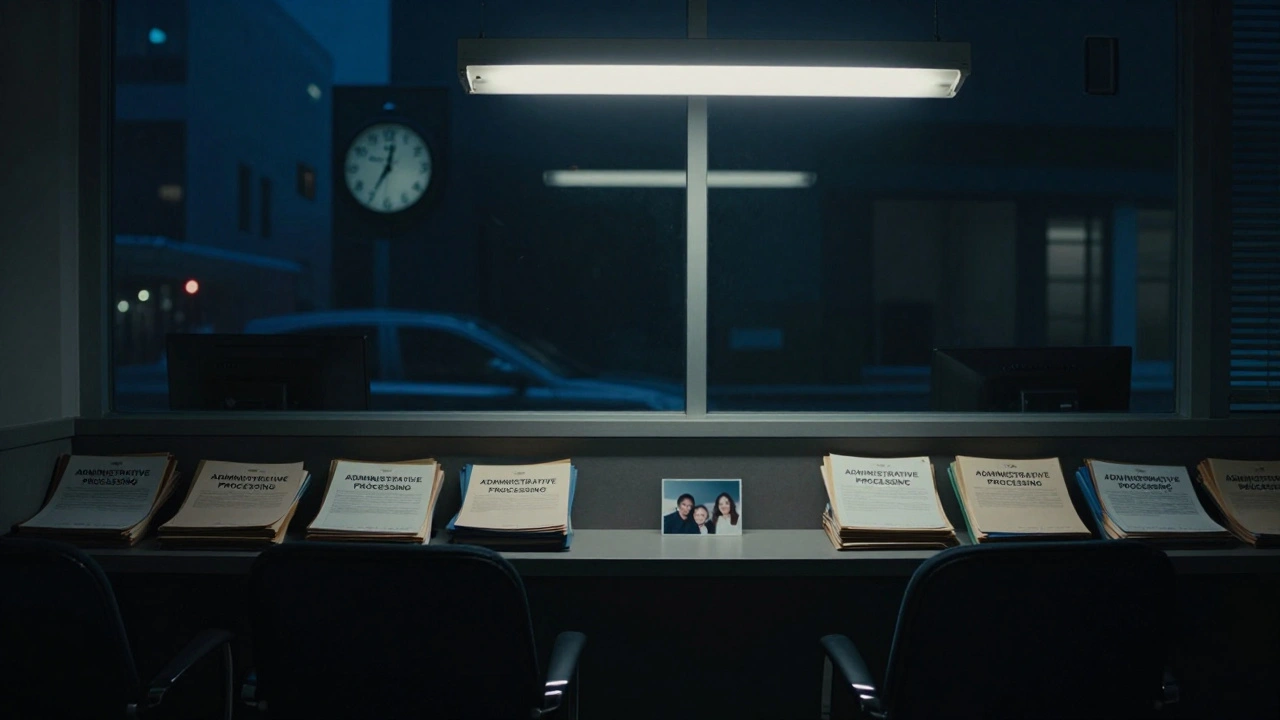
What Comes Next?
The next 72 hours will decide if this escalates into something bigger. Trump has a 45-minute meeting with Denmark’s Prime Minister on January 22. If no deal is reached, the 25% tariff will lock in. That could trigger retaliatory tariffs from the EU. The European Commission has already scheduled an emergency meeting of all 27 foreign ministers for January 25 in Brussels. India’s National Security Council met at 10:00 AM IST on January 21. They’re expected to deploy additional Border Security Force troops to the Chicken’s Neck by January 28. The U.S. Department of Homeland Security has raised its terrorism alert level through January 31, citing “increased threat environment for diplomatic personnel in South Asia.” Cybersecurity agencies are warning critical infrastructure operators to brace for possible cyberattacks. This isn’t just about one country, one policy, or one crisis. It’s the convergence of three major fault lines: U.S. unilateralism, Asian strategic competition, and global economic fragmentation. The world is being forced to pick sides. And the clock is ticking.What You Need to Do Right Now
If you’re an American citizen planning to travel to Europe: expect higher prices and possible delays at customs. If you’re an immigrant applicant stuck in administrative processing: keep documents updated, but don’t expect answers soon. If you’re an investor: consider shifting a small portion of your portfolio into gold or cash. If you’re in India or Bangladesh: monitor official advisories. Avoid non-essential travel. If you’re in Europe: prepare for economic fallout. This isn’t a temporary blip. It’s the new normal.Why is Trump trying to buy Greenland?
Trump isn’t interested in Greenland for its people or economy. He wants control of its Arctic location-key for shipping routes, military bases, and mineral resources like rare earth elements. The $3.4 billion economy is irrelevant. The strategic value is worth trillions. His tariff threat is a tactic to pressure Denmark into negotiations, not a serious offer to pay for the land.
Is India going to war with Bangladesh?
No. India is not preparing for war. But it is responding to a serious security threat. The evacuation of diplomatic families and increased border alerts are defensive measures. The Chinese-Bangladeshi activity near the Chicken’s Neck is seen as a strategic encroachment, not an act of aggression. India’s response is calibrated to avoid escalation while protecting its vital corridor.
Why were six countries chosen for the U.S. visa freeze?
The U.S. State Department hasn’t named the countries. That’s intentional. It creates uncertainty and pressure. Historically, similar suspensions targeted nations with high visa denial rates or weak documentation systems. But this time, the lack of transparency suggests the decision may be politically driven rather than based on data. Legal experts are already challenging its legality.
How will this affect global trade?
Tariffs on Denmark and other European allies will raise prices for U.S. consumers and hurt European exporters. India-Bangladesh trade could shrink by 15-20%, hurting small businesses on both sides. South Korea’s economy is stable for now, but if the U.S. expands tariffs, global supply chains will feel it. The World Trade Organization is likely to face its biggest test in a decade.
Should I be worried about cyberattacks?
Yes. The U.S. Cybersecurity and Infrastructure Security Agency has issued an official advisory. State actors-likely from countries angered by U.S. actions-are believed to be preparing retaliatory cyber operations. Critical infrastructure like power grids, water systems, and financial networks should be on higher alert. Individuals should update passwords and avoid clicking suspicious links.
Is this the start of a new Cold War?
It’s not a Cold War like the 1980s. But it’s the start of a new era of fragmented alliances. Countries are choosing between U.S.-led unilateralism and European-led multilateralism. China is quietly expanding influence in South Asia. Russia is watching from the sidelines. The old rules are breaking. New ones haven’t been written yet. The next five years will define the global order.



About Author
