What Are Some Current Events Happening Right Now? Global Updates as of January 2026
Global Events Knowledge Quiz
Test Your Knowledge of January 2026 Events
Answer these 5 questions based on the article to see how well you understand the major global developments.
The world is moving fast. Right now, in January 2026, major shifts are happening across politics, war zones, climate disasters, and international trade - and none of them are small. If you’ve been wondering what’s actually going on beyond the headlines, here’s what matters.
Gaza Conflict Escalates Amid International Backlash
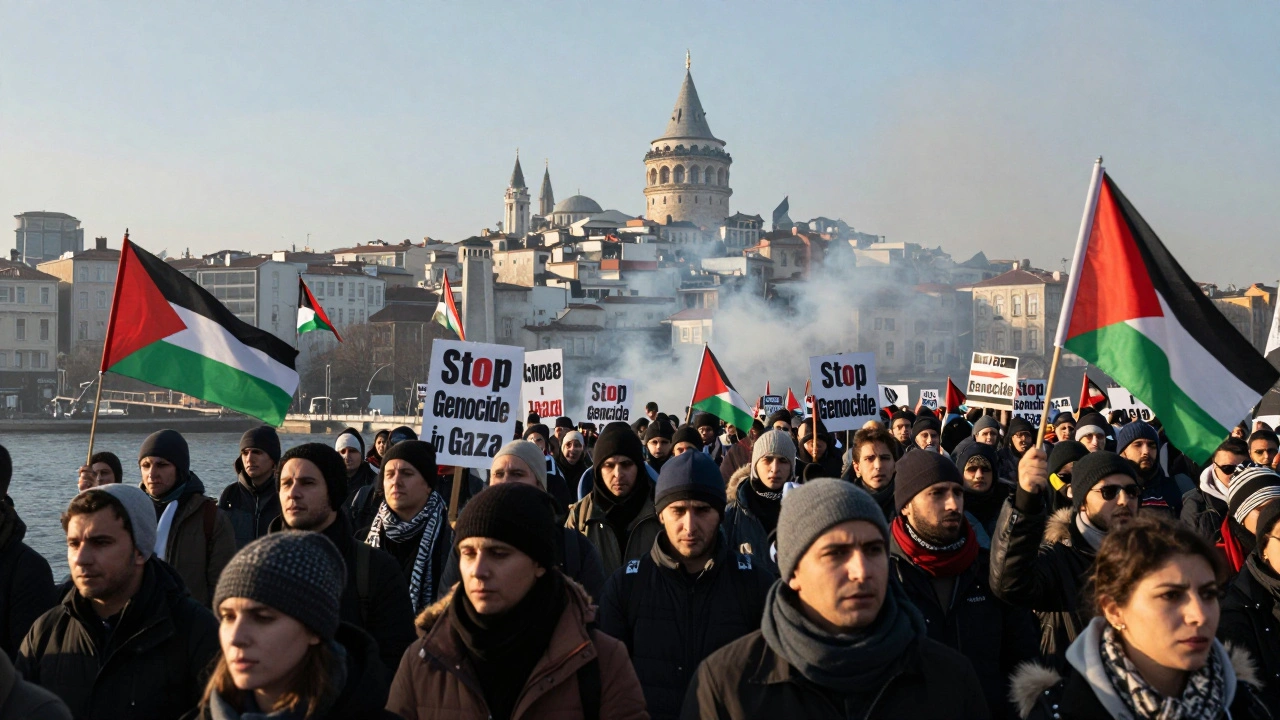
The war in Gaza remains the most urgent crisis. On January 15, 2026, Israeli airstrikes killed thirteen Palestinians in Khan Yunis, including five children. The International Criminal Court had already issued an arrest warrant for Israeli Prime Minister Benjamin Netanyahu in late 2025 for alleged war crimes. Yet he still traveled to the United States on January 2, 2026 - his fifth visit since the warrant was issued. The U.S. has not moved to arrest him, sparking global criticism. Meanwhile, Turkey saw one of the largest protests in its history. Over half a million people marched across Istanbul’s Galata Bridge on January 2, 2026, organized by more than 400 civil society groups. Their message was clear: they reject what they call Israel’s genocide in Palestine. Social media data shows Gaza-related posts generated over 12.7 million mentions globally in the first 19 days of January, with 68% expressing anger toward Israeli military actions.Greenland Becomes a Flashpoint Between Global Powers
While the world watches Gaza, another potential crisis is brewing in the Arctic. France announced on January 8, 2026, that it will open a consulate in Greenland in February - a direct rebuke to U.S. efforts to buy the territory. President Emmanuel Macron followed up on January 12 by deploying additional military forces there, citing “strategic interests in the Arctic.” The move is not just symbolic. Analysts at the International Crisis Group warn that Greenland could become a flashpoint between major powers. The U.S. has long eyed Greenland for its mineral resources and strategic location, but France, Denmark, and other European nations are pushing back. On Reddit, r/geopolitics threads about this issue have drawn over 20,000 combined comments in the past week, with many users calling it “the new Cold War in the ice.”U.S. Withdraws from Iraq’s Al-Asad Airbase
On January 17, 2026, the United States handed over full control of Al-Asad Airbase in Iraq to Iraqi forces - the first time since 2014. The base, once a key hub for U.S. operations against ISIS, is now entirely under Iraqi command. The withdrawal was quietly completed, with no public ceremony. But it signals a major shift in U.S. military posture: less direct involvement, more reliance on local partners. The move drew mixed reactions. Many Iraqis celebrated it as a step toward true sovereignty. Others worry it leaves a vacuum that Iran-backed militias could fill. A Reddit thread on the withdrawal received over 14,000 upvotes, with comments ranging from “long overdue” to “this is how terrorism comes back.”Japan and Philippines Sign Historic Defense Pact
In Asia, Japan and the Philippines signed a landmark defense agreement on January 14, 2026. The pact allows both countries to provide each other with fuel, food, ammunition, and other military supplies without paying taxes - a first in the region. The move is clearly aimed at countering China’s growing influence in the South China Sea. Polls show support is split. A majority (58%) of Filipinos and Japanese respondents backed the deal in The Guardian’s reader poll. But in Japan, Asahi Shimbun found only 42% approval. Many Japanese citizens fear being dragged into a U.S.-China conflict. Still, with China’s naval activity near the Philippines increasing, Tokyo and Manila feel they have little choice.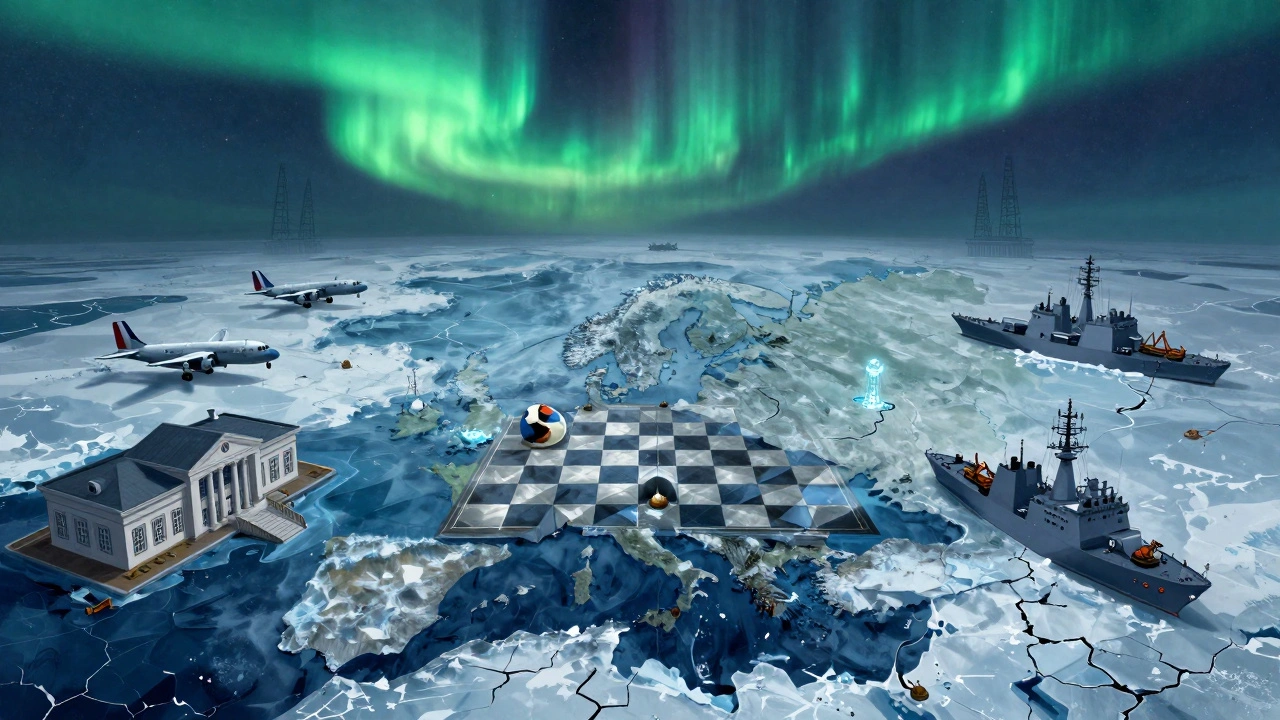
Iran Protests Turn Deadly; U.S. Warns of Intervention
In Iran, protests against the government continue into 2026. On January 3, security forces shot and killed a protester in Harsin, Kermanshah province. The death sparked renewed outrage. New Zealand responded by closing its embassy in Tehran and evacuating staff to Ankara, Turkey - a rare diplomatic move. Then came the warning. On January 7, former U.S. President Trump posted on social media: “If Iran shoots and violently kills peaceful protesters, which is their custom, the United States of America will come to their rescue. We are locked and loaded and ready to go.” Military analysts are divided. Janes Defence Weekly says there’s a 30-40% chance of direct U.S.-Iran conflict before the end of January. The International Institute for Strategic Studies puts it at just 15-20%, citing European diplomatic efforts to calm tensions. Either way, Iran’s internal unrest is now a global security concern.EU and Mercosur Finally Sign Trade Deal - With a Caveat
After 25 years of talks, the European Union and Mercosur (Brazil, Argentina, Paraguay, Uruguay) signed a free trade agreement on January 19, 2026. It’s a historic moment - the largest trade deal ever between Europe and Latin America. But it’s not without controversy. The Brookings Institution pointed out major loopholes. The agreement doesn’t enforce strong enough rules to stop Amazon deforestation. Environmental groups are already calling it “greenwashing.” Still, for farmers and exporters in both blocs, this means new markets. Beef, soy, wine, and electronics will flow more freely - but at what environmental cost?South Korea Detains Former President Again; Singapore Removes Opposition Leader
In South Korea, former President Yoon Suk Yeol was given a new six-month detention warrant on January 5, 2026. He’s already facing charges related to his 2024 declaration of martial law. The court cited “risk of evidence tampering” as the reason for extending his detention. Meanwhile, in Singapore, parliament voted on January 9 to remove Workers’ Party leader Pritam Singh as Leader of the Opposition. He was convicted in 2021 for lying to a parliamentary committee about a property deal. His removal has sparked debate about political accountability - and whether Singapore’s strict legal system is being used to silence dissent.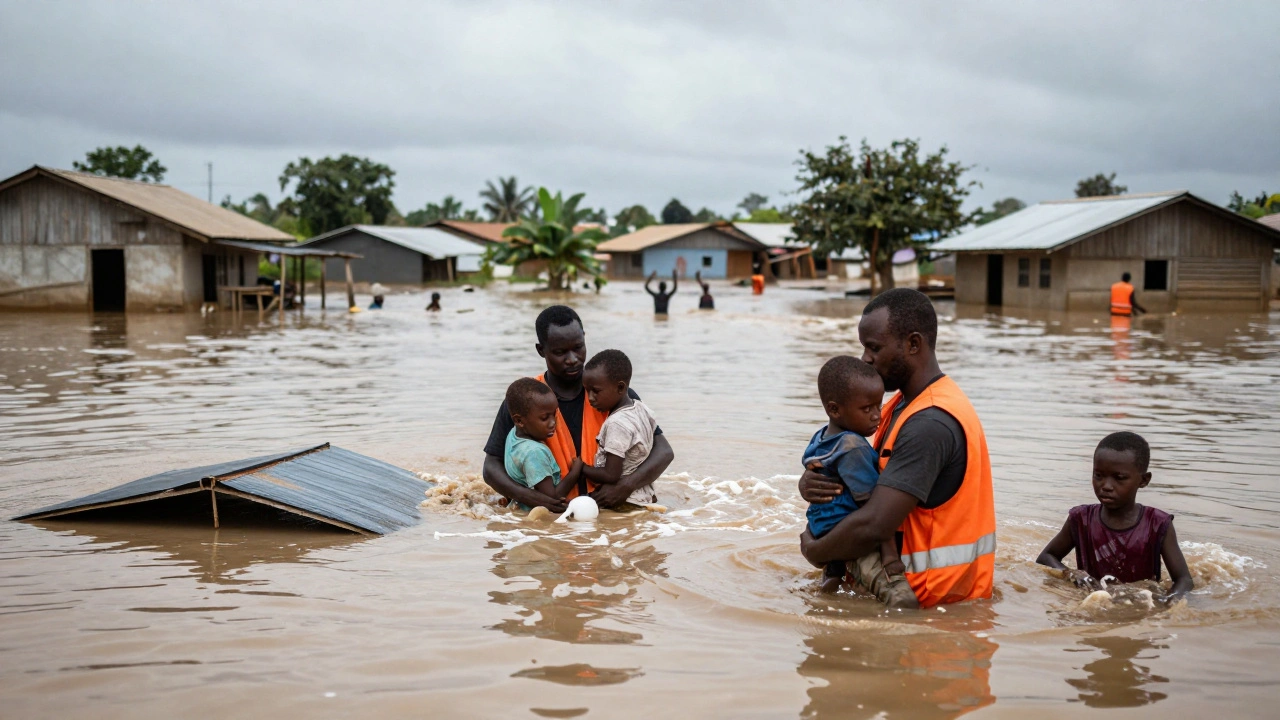
Climate Disasters Hit Southern Africa
Torrential rains and floods killed at least 100 people across Mozambique, South Africa, and Zimbabwe in mid-January 2026. Thousands of homes were washed away. Rescue teams struggled to reach remote villages as roads collapsed and bridges disappeared. The Red Cross called it “one of the worst weather disasters in the region in a decade.” Climate scientists say these events are becoming more common. Warmer ocean temperatures in the Indian Ocean are fueling heavier rainfall. Yet governments in the region still lack the infrastructure to respond quickly. Aid organizations are warning that without international help, food shortages could follow in the coming months.Other Key Developments
- The U.S. Coast Guard seized a Guyanese-flagged tanker in the Caribbean on January 13, 2026, as part of Operation Southern Spear. The ship had been on U.S. sanctions lists for smuggling oil. - The U.S. launched airstrikes against Islamic State targets in Syria on January 16, 2026, under Operation Hawkeye Strike. No civilian casualties were reported. - Cambodia’s central bank shut down Prince Bank on January 6, 2026, after its founder Chen Zhi was extradited to China for fraud. The bank had been a major player in regional money laundering. - Azerbaijan released four Armenian prisoners on January 7, 2026, in a rare gesture of goodwill. Analysts call it a turning point in a long-standing conflict. - The UN has scheduled an emergency session for January 22, 2026, to address the Gaza humanitarian crisis - the same day this article is published.What Comes Next?
The next few weeks will be critical. The UN’s emergency meeting on Gaza could lead to new sanctions or a ceasefire push. The French military buildup in Greenland may trigger a response from the U.S. or Russia. And with Trump’s warning still fresh, Iran could be on the edge of a major escalation. Meanwhile, ordinary people are reacting - marching in Istanbul, debating on Reddit, donating to flood relief, or just trying to make sense of it all. The world isn’t just changing. It’s unraveling in places and stitching back together in others. And right now, you’re watching it happen.Are the Gaza war and Greenland crisis connected?
No, they’re not directly connected. But they’re both examples of how global power struggles are shifting. Gaza reflects the collapse of diplomatic norms in the Middle East. Greenland shows how climate change is turning remote territories into strategic prizes. Both are being shaped by U.S. policy, international law, and public pressure - just in very different ways.
Why is the U.S. withdrawing from Iraq now?
The U.S. has been reducing its footprint in the Middle East since 2021. Al-Asad was one of the last major bases. With ISIS largely defeated and Iraq’s government stable enough to handle security, the U.S. sees little benefit in staying. It’s also a political move - voters in the U.S. are tired of endless wars. But the real test comes if Iran-backed militias try to fill the power vacuum.
Is the EU-Mercosur trade deal good or bad for the environment?
It’s a mixed bag. The deal boosts economies, but it weakens environmental protections. The agreement doesn’t require Brazil or Argentina to stop deforestation. That means more Amazon rainforest could be cleared for cattle and soy - the same crops Europe will now import without restrictions. Environmental groups say this undermines Paris Agreement goals. Without stronger enforcement, it’s more trade than sustainability.
What’s the likelihood of war between the U.S. and Iran?
Most experts say it’s unlikely, but not impossible. Trump’s tweet was aggressive, but the U.S. military has been cautious since Afghanistan. Iran knows it can’t win a direct fight. Europe and Russia are trying to mediate. Still, if Iran responds to U.S. sanctions with a major attack - or if a rogue actor sparks a miscalculation - things could spiral fast. The odds are low, but the consequences would be high.
Why is France involved in Greenland?
France has overseas territories in the Arctic, including Saint-Pierre and Miquelon. It also has historical ties to Greenland through its relationship with Denmark. France sees the Arctic as vital for climate research, shipping routes, and mineral access. By opening a consulate and sending troops, it’s asserting that Greenland isn’t just a U.S. project - it’s a global concern. It’s also a way to push back against American dominance in the region.


About Author
